




FMCSA Withdraws Proposal on Safety Fitness Determination
The agency had proposed a new method for rating motor carriers’ safety fitness. NSTA says the approach was “based on a flawed CSA system and inconsistent data.”

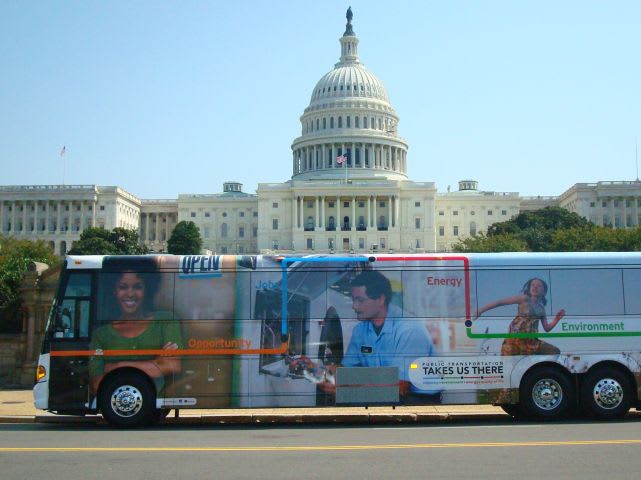
The Federal Motor Carrier Safety Administration withdrew its proposal of a new method for rating motor carriers’ safety fitness.
The Federal Motor Carrier Safety Administration withdrew its proposal of a new method for rating motor carriers’ safety fitness.
WASHINGTON, D.C. — The Federal Motor Carrier Safety Administration (FMCSA) has pulled the plug on a contentious proposal to revise its method for determining the safety fitness of motor carriers.
The notice of proposed rulemaking, issued on Jan. 21, 2016, put forth a new methodology for evaluating if a motor carrier is not fit to operate commercial motor vehicles based on the carrier's on-road safety data, an investigation, or a combination of on-road safety data and investigation information.
Part of FMCSA’s proposal was to replace its current three safety fitness ratings — “satisfactory,” “conditional,” and “unsatisfactory” — with just one rating, “unfit.” That idea came under fire by some industry groups, including the National School Transportation Association (NSTA).
NSTA also argued that FMCSA should not proceed with a rulemaking on safety fitness determination before reforms are completed on the agency’s Compliance, Safety, Accountability (CSA) program, as mandated by the FAST Act.
On Feb. 15 of this year, 62 national and regional organizations sent a letter to new Secretary of Transportation Elaine Chao, whose department includes FMCSA, urging her to withdraw the notice of proposed rulemaking on safety fitness determination.
On Thursday, FMCSA did just that, saying the decision was “based on the current record,” including the letter to Chao and comments in response to the proposal. The agency also said that it would alter its approach to the issue.
“If FMCSA determines changes to the safety fitness determination process are still necessary and advisable in the future, a new rulemaking would be initiated that will incorporate any appropriate recommendations from the National Academies of Science and the comments received through this rulemaking,” the agency wrote in a Federal Register entry on Thursday.
NSTA applauded the withdrawal of the proposed rulemaking, thanking Chao and members of Congress for their action on the issue.
“NSTA believes it [is] critical that regulators arrive at an accurate and clear method to evaluate carriers' safety fitness for the benefit of the general public,” Executive Director Ronna Weber said. “It does not make sense to propose a new evaluation method based on a flawed CSA system and inconsistent data, especially when that data is under review by the National Academy of Sciences. We are grateful that our voice has been heard on this issue."
In other news, 45 school bus contracting executives traveled to Washington, D.C., this week for NSTA’s annual Capitol Hill Bus-in on Tuesday and Wednesday. They are slated to take part in more than 250 individualized meetings with congressional offices, scheduled by NSTA's government relations firm, Prime Policy Group, to discuss key issues related to occupant protection in the school transportation industry.
"Two days in our nation's capital addressing our most pressing legislative issues as a collective group and as individuals is critical to our success as an association,” NSTA President Todd Monteferrario said. “We encourage all school bus contractors to join NSTA and better advocate for your business all year long."
More Safety
Illegal School Bus Passing Drops 24% in New York Districts
With fewer than 5% of citations involving repeat offenders, Westchester County officials said enforcement, education, and community partnerships are helping change driver behavior.
Read More →
School's Back. Here's What Happened to Traffic, Speeding & Distraction
What happens to traffic when school resumes? New data analysis examines changes in distracted driving, congestion, and speeding around schools.
Read More →
Geotab Expands Fleet Safety Tools With Video Coaching, Risk Insights
New safety and video capabilities aim to help fleet managers assess risk, support drivers, and take targeted action through video coaching, red-light violation detection, and more.
Read More →

How to Build a Better School Bus Driver Training Program
Is it time to strengthen your driver training? Here’s how to pick the right talent and improve recruitment, retention, and safety. This video is brought to you by IC Bus.
Read More →
Recent School Bus Accidents Leave 2 Dead, 2 Injured
Four school bus crashes in Florida, Illinois, and Georgia highlight risks in transportation lots, at bus stops, and during student loading and unloading.
Read More →
When Every Second Matters, Clarity Keeps Routes Moving
From routine delays to urgent incidents, strong communication practices help drivers, dispatchers, schools, and families respond with confidence.
Read More →
What Happens When a School Bus Catches Fire — and What Can Help
School bus fires are rare but can be devastating. Learn how advances in fire suppression and asset protection help fleets detect fires earlier, reduce damage, and improve safety.
Read More →
Geotab Launches Tool to Help Fleets Investigate Road Incidents
Geotab Investigations combines telematics data, video, documents, and other evidence to help fleets reconstruct incidents, resolve claims, and determine what happened.
Read More →
Texas Sixth Grader Wins 2026 National School Bus Safety Poster Contest
Sai Darshana Yekolu of Moseley Middle School in Prosper, Texas, was named the newest winner for her artwork, bringing the theme of “Safe Rides, Everyday Heroes” to life.
Read More →
Doing More With Less: How Transportation Directors Can Prioritize Safety Amid Budget Uncertainty
With diesel prices soaring and nearly one-third of transportation directors expecting budget cuts, maintaining student safety has never been more challenging. Download this guide to learn how leading districts are prioritizing risk, funding critical safety technology, and building stronger budget cases with data.
Read More →