




2025 Black History Month: Celebrating Black Voices in Student Transportation
Why Representation Matters in Transportation Leadership
In honor of Black History Month, a firsthand look at how diverse leadership in school transportation builds trust and drives stronger systems.
by Sharnette Young, Henry County Schools
February 3, 2026
When leaders lack diverse experience from employees, gaps can form between policy and reality. Representation helps close those gaps.
Credit:
School Bus Fleet
3 min to read
- Diverse leadership in school transportation cultivates trust among communities and shows that everyone belongs.
- Representation in transportation contributes to more effective and inclusive operational systems.
- Firsthand accounts highlight the positive impact of varied perspectives within transportation leadership.
*Summarized by AI
In transportation, an industry that quite literally keeps communities moving, representation in leadership is not just symbolic; it’s essential. Black History Month invites us to reflect not only on where we’ve been, but where we’re going and who gets to help lead the way.
I’ve spent over two decades in school transportation. I didn’t begin my career in transportation behind a desk; instead, I started as a bus monitor. I desired to become a bus driver, learning the rhythm of routes, the needs of students, and the responsibility that comes with safely transporting students every day.
While working as a bus driver, I completed my associate’s degree in social work. Eventually, I became a route supervisor during the pandemic. Each step in transporting students taught me something different — not just about the job, but also about people, leadership, and the power of being seen. Representation is a shared responsibility.
When people see leaders who look like them, who come from similar backgrounds, something powerful happens. It creates possibilities. Representation sends a clear message: You belong here. Your voice matters. Your growth is possible.
When Leadership Reflects the Team
School transportation is made up of specialists, drivers, monitors, and mechanics who all come from diverse backgrounds. Yet leadership roles don’t always reflect that same diversity in many organizations. When leaders lack diverse experience from employees, gaps can form between policy and reality. Representation helps close those gaps.
As a supervisor, I’ve seen how trust changes when employees feel understood. When someone knows you’ve walked the same path they’re on, conversations become more honest. Challenges get addressed sooner; employee morale improves. Leadership stops feeling distant, and staff feel leaders are more relatable.
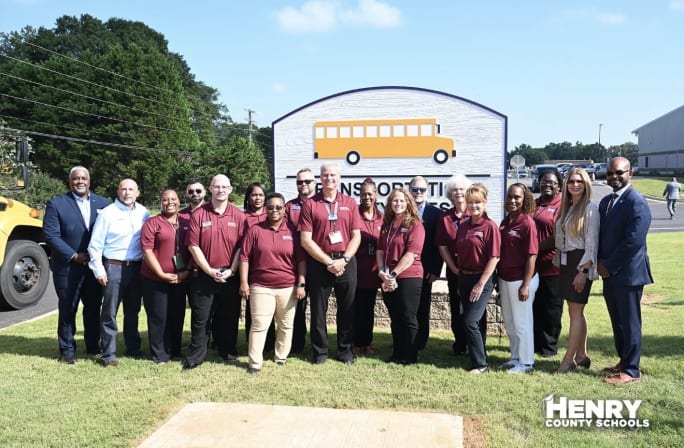
Henry County Schools' transportation team prides itself on a diverse and supportive team where all employees are recognized for the value they bring to their roles.
Credit:
Henry County Schools
When leadership reflects the team, it also strengthens accountability. Leaders become advocates, not just administrators. They push for fair treatment, proper resources, and professional development because they understand how much those things matter.
Black History Month is a reminder that progress often comes from perseverance. In our lives, many of us were told either directly or indirectly that certain positions weren’t meant for us. Yet history shows that barriers are meant to be challenged. Honoring that history means more than reflection; it means creating pathways for advancement and ensuring leadership includes diverse voices.
Owning Your Path, Lifting Others Along the Way
Advancing your career will require you to advocate for yourself and let leadership know you’re interested in growth. Too often, talented individuals are overlooked simply because their aspirations aren’t known.
My transportation journey wasn’t just about career advancement; it was about responsibility. Responsibility to lead with integrity, to uplift others, and to show what’s possible. Representation in transportation leadership matters because people matter. When leadership reflects the communities it serves, everyone, including employees, students, and the entire system as a whole benefits.
Because when leadership reflects real experience, real progress follows.
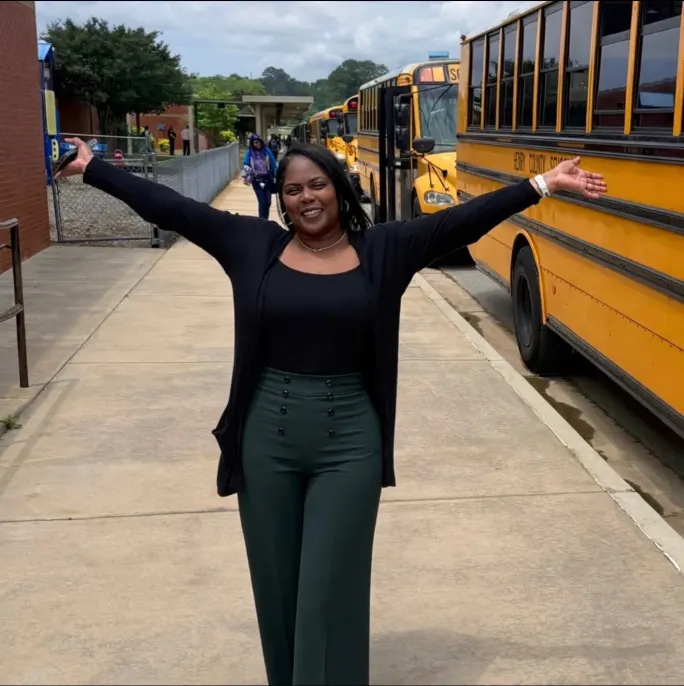
Source:
Sharnette Young
About the Author: Sharnette Young began her student transportation career in Indianapolis in 2003, earning her Class B CDL in 2004. She joined Henry County Schools in 2017, where she advanced from bus driver to route supervisor. In her free time, she enjoys spending time with family, learning new things, and relaxing at home.
This article was authored and edited according to School Bus Fleet editorial standards and style. Opinions expressed do not necessarily reflect that of SBF or Bobit Business Media.
Quick Answers
Diverse leadership in school transportation is crucial as it helps build trust and establish stronger, more effective systems that cater to a wide range of community needs.
*Summarized by AI
Subscribe to Our Newsletter
More Management

How to Build a Better Driver Training Program
Ready to boost up your school bus instructor training? Here’s how to pick the right talent and improve recruitment, retention, and safety.
Read More →
CALSTART and Forth Combine to Form Catalyst Mobility
The new name represents a renewed vision for the nonprofit focused on advancing clean, equitable, and affordable transportation solutions that move people and goods.
Read More →
What Makes a Great School Bus Driver Trainer?
Choosing the right school bus driver trainer takes more than experience. Learn six keys to selecting and developing trainers and evaluating program effectiveness.
Read More →

School Bus Contractors Expand Through New Deals, Acquisitions & Partnerships
STA's Canadian division acquires Ontario-based G&L Stevenson Transport while Durham School Services adds a new district contract in California, First Student adds a New Jersey contract, and Minnesota Coaches acquires Halo Transportation.
Read More →
Logan Bus Company Rolls Out AI Phone System for NYC School Bus Families
A summer pilot found that AI agents could handle most routine calls, freeing up time for customer service staff to focus on emergencies and complex family concerns.
Read More →
From Intent to Impact: What I Learned About Leadership from TAPT
A Texas transportation supervisor shares lessons on self-awareness, accountability, managing stress and building trust — and why investing in leadership development matters at every stage of your career.
Read More →
NAPT Names 2026 Award Recipients, Hall of Fame Inductee
Who earned national recognition for their work in student transportation? This year, NAPT named five recipients of its 2026 awards for service, safety, and leadership, plus its newest Hall of Famer.
Read More →
Sponsored•September 2, 2026
2026 State of Student Transportation Report
Driver shortages. Rising costs. Growing safety expectations. More data, but not enough time to act on it. The 2026 State of Student Transportation Report reveals what transportation leaders say is putting the most pressure on their operations—and where they’re investing next. See how your priorities compare.
Read More →
How to De-Escalate an Angry Person: 5 Steps for Handling Workplace Conflict
What makes emotions run high, and how should you handle an angry colleague or parent? Follow these steps for staying calm, listening, showing empathy, and resolving conflict.
Read More →
Sponsored•September 1, 2026
What Readiness Looks Like This School Year
Learn about the challenges shaping the 2026–2027 school year, from persistent driver shortages and budget pressure to technology and readiness gaps. See how school districts are responding and adapting in Zonar’s 2026 Back-to-School Readiness Report.
Read More →