





This article, written as a supplement to Gray Ram Tactical, LLC’s Third Thursday Training program, a yearlong professional development series. It expands on January’s theme of “Effective Relationships and Community Involvement – School Board Recognition Month” and provides practical steps transportation administrators can begin using immediately.
Building Stronger Partnerships: How School Transportation Can Improve Relationships With School Boards
Strong communication and trust between transportation leaders and school boards are essential to safe, effective operations. Here’s how to build a better partnership.
January 28, 2026

To deepen understanding, learn to communicate effectively using data and expectation management, while addressing concerns and sharing critical needs.
Photo: School Bus Fleet
4 min to read
- Effective communication and trust are vital for the collaboration between transportation leaders and school boards.
- Strong relationships with school boards contribute to safer and more efficient school transportation operations.
- Building partnerships with school boards enhances mutual understanding and decision-making processes.
*Summarized by AI
Effective school transportation is far more than routing software, buses, and maintenance cycles. It is a complex system that requires strong relationships, strategic communication, and mutual understanding across an entire district.
Of the many partnerships transportation leaders rely on, none is more influential than the relationship with the school board. When transportation departments and boards communicate well, share expectations, and operate with transparency, the result is a safer, more stable, and more supportive environment for students, staff, and the community.
Much like transportation departments must communicate and coordinate with multiple schools and administrators, they must also navigate the distinct roles, responsibilities, and perspectives found within school boards. Boards operate at the policy and governance level, while transportation departments operate in the day-to-day operational arena.
Aligning these two worlds requires intentional effort. It begins with understanding external stakeholders. For transportation directors, the school board is one of the most critical external stakeholders. Whether considering budget approval, fleet replacement, facility upgrades, staffing needs, or safety initiatives, board members influence every major decision.
How to Win Over Your School Board: 5 Keys to Success
1. Communication
The first pillar of success is communication. Transportation departments should communicate honestly, clearly, accurately, and often — principles emphasized in Gray Ram Tactical’s instructional framework. School boards do not want last-minute surprises, unclear requests, or incomplete information. They want transparency and context.
Providing data-driven updates, sharing incident trends, outlining maintenance needs, and preparing ahead for budget cycles helps board members make informed decisions while building trust with transportation leadership. Regular updates that are short, consistent, and well organized can shift a relationship from reactive to proactive.
2. Expectation Management
Next, transportation departments must manage expectations. Just as school faculty and transportation have differing capabilities, transportation and school boards have differing constraints. Directors should articulate what they can realistically accomplish with available staffing, resources, and time while ensuring board members understand the operational impact of their decisions. This creates alignment and reduces friction. When expectations are managed properly, disagreements become conversations rather than conflicts.
3. Address Concerns
Another important relationship-building step is taking time to address concerns. Board members may have differing viewpoints based on community feedback, liability worries, or past district experiences. Transportation departments should listen respectfully, identify common goals, and demonstrate how operational decisions support student safety, fiscal responsibility, and district priorities. Understanding each party’s “soapbox issues” creates an opportunity to bridge gaps and build cooperation.
4. Offer Clarity & Collaboration
Perhaps the most important step is to share needs clearly. Transportation departments often struggle to communicate operational needs in a way that resonates with governance-level leaders. Instead of simply requesting equipment or budget increases, directors should articulate the “why” behind the request. Connecting needs to student safety, risk reduction, compliance requirements, or operational efficiencies increases the likelihood of board support.
Effective partnerships also depend on professional collaboration. Transportation departments and boards benefit from structured opportunities to connect, whether through joint workshops, safety briefings, facility walkthroughs, or ride-alongs. Giving board members firsthand insight into transportation challenges builds understanding that cannot be achieved through written reports alone.
5. Earn Mutual Trust
Trust is the final and most essential component. Trust is earned through consistent communication, transparency, reliability, and follow-through. When transportation directors operate with integrity and professionalism, board members recognize that the department is not simply managing buses, but is managing risk, safety, and the daily movement of the district’s most valuable asset: its students.
As we prepare for continued growth and increased community expectations, transportation departments must refine their communication practices, strengthen relationships, and lead with clarity. Board members and transportation leaders ultimately share the same mission of ensuring safe, efficient, and supportive learning environments for all students.
Opportunities to Keep Learning
A full-year subscription to Gray Ram Tactical’s Third Thursday Training provides your entire school district with access to nine hours of professional development and continuing education credit, along with recorded sessions that staff can watch at any time. For more information or to subscribe, email BretBrooks@GrayRamTacticalTraining.com.
Strengthening relationships is not just good practice; it is essential leadership. Third Thursday Training is here to support you every step of the way.
This article was authored and edited according to School Bus Fleet editorial standards and style. Opinions expressed do not necessarily reflect that of SBF or Bobit Business Media.
Quick Answers
Strong communication is crucial for ensuring safe and effective school transportation operations, allowing both parties to align on goals and swiftly address any challenges.
*Summarized by AI
Subscribe to Our Newsletter
More Management
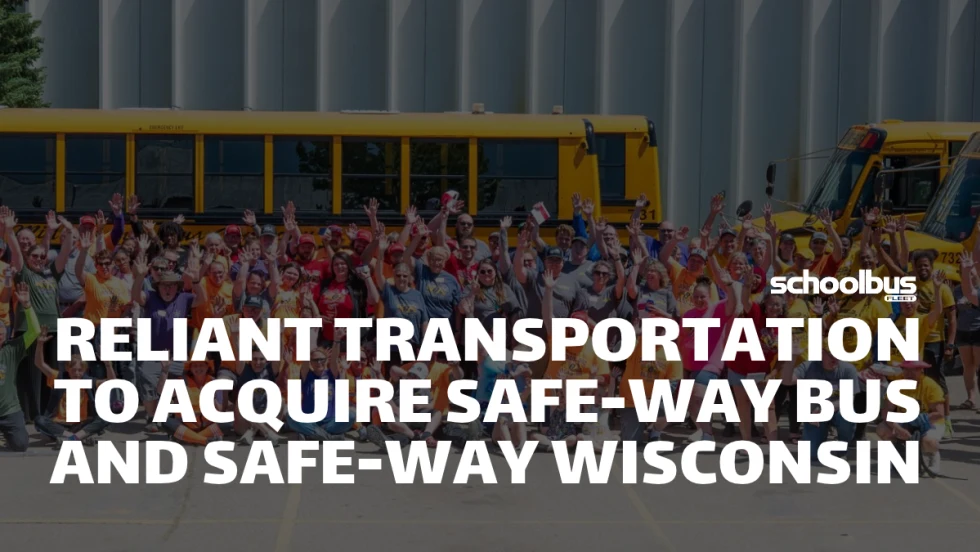
Reliant Transportation to Acquire Safe-Way Bus, Expand Midwest Operations
The Minnesota and Wisconsin-based school and charter service operator adds 160 buses to Reliant's fleet as the company continues its expansion.
Read More →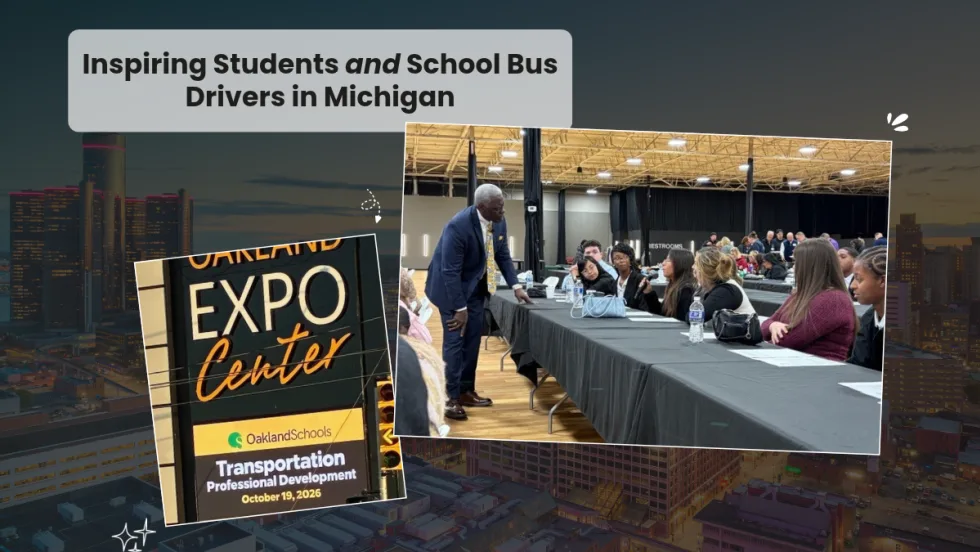
Michigan ISD Brings Students, School Bus Staff Together for Leadership Training
Oakland Schools is expanding its transportation staff training to include students, designed to build mutual respect and stronger relationships between both.
Read More →
Four Lessons Learned from My Own ‘Mount Rushmore’ of Leaders
What makes a great leader? Shannon Barnett shares what he's learned from influential mentors and why leaders should seek wisdom and pass it on.
Read More →
Changing Lanes: Catalyst Mobility, Netradyne, School Bus Logistics, Verra Mobility, Zonar
Get the rundown on who's been hired, promoted, and appointed to leadership positions at school transportation nonprofits, advisory companies, and tech providers.
Read More →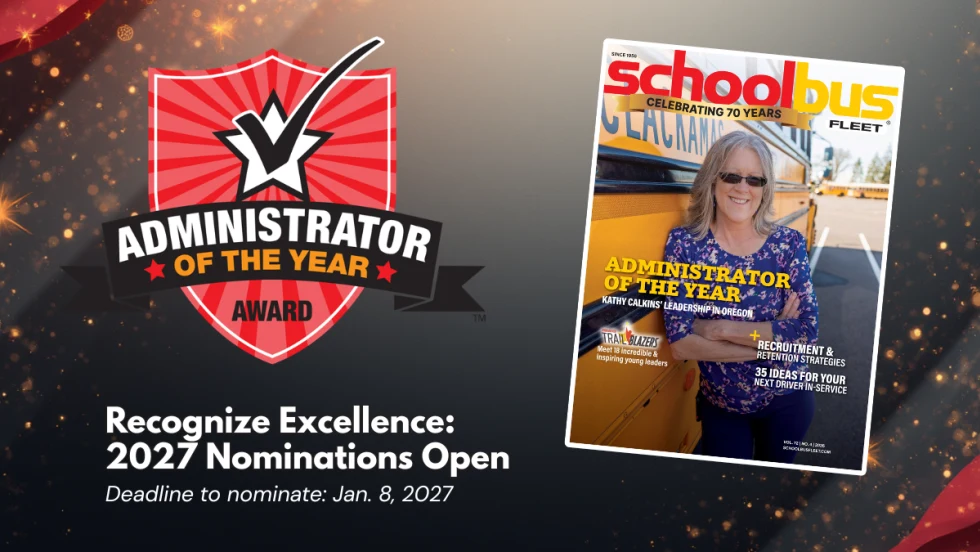
2027 School Bus Fleet Administrator of the Year: Nominations Now Open
Know a state or district-level transportation director who inspires others, leads by example, and goes above and beyond? Tell us about them for their chance to be recognized in this School Bus Fleet award!
Read More →
5 Questions: How CharterUP Brought a Marketplace to Student Transportation
What does it take to bring a transportation marketplace into K-12? Hear firsthand what CharterUP has learned about the unique needs of schools and bus operators.
Read More →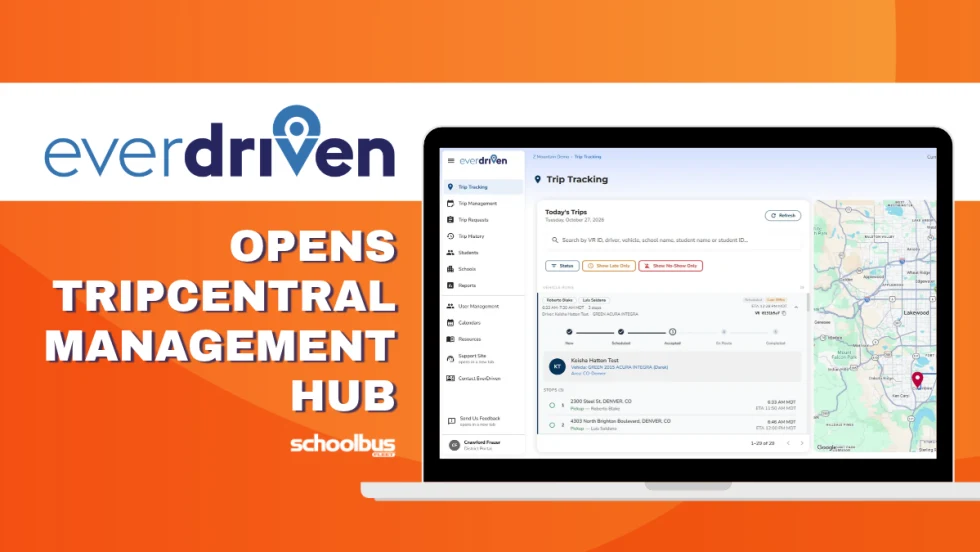
EverDriven Expands TripCentral Transportation Management Platform to All Partner Districts
The platform provides school districts with real-time trip tracking, student transportation scheduling tools, and pickup and drop-off management capabilities.
Read More →
6 School Transportation Trends to Watch: 2026 District Survey Results
School bus buying is up, fuel choices are shifting, and driver shortages persist. This and more in the latest K-12 public school survey, plus the largest fleets in the U.S.
Read More →
The 100 Largest School Bus Fleets in America: 2026 Rankings
Which public K-12 school districts are the largest in the nation in terms of bus fleet size? Here are the new standings of the top 100 district fleets.
Read More →
EverDriven Launches Route Consolidation Calculator to Estimate Diesel Savings
As diesel prices hit record highs, the largest alternative transportation provider says a 10% route consolidation could save a 120-route district more than $78,000 a year in fuel alone.
Read More →