





More in this Series
Celebrating Black Voices in Student Transportation: Rose Lee
Meet one of many inspiring faces behind the bus as we honor Black History Month. Rose Lee, a publicist-turned-transportation director in California, shares her experience as a Black woman and how we can all work together to create inclusive spaces for all.
February 10, 2025
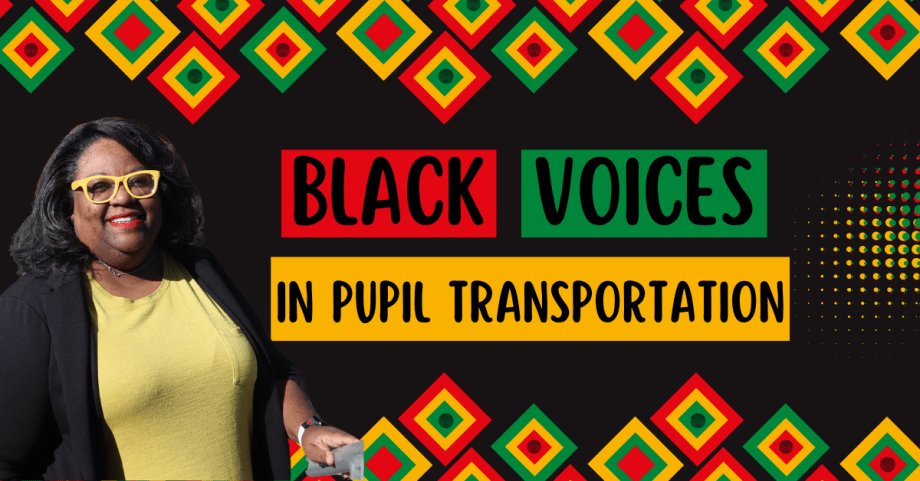
“Your support does make a difference in fostering an inclusive environment where everyone can thrive. Let’s lift each other up and be thoughtful allies.” — Rose Lee
Photo: Gary Burnett | Design: SBF/Canva
6 min to read
As we celebrate Black History Month this February, it’s important that we reflect on not just those who have paved the way in the past, but those who are making history happen today.
To that end, SBF is honored to share the stories of the inspirational Black voices in our midst, to uplift them, and recognize their contributions to their teams, to the industry, and to the world.
Today, we introduce you to Rose Lee, transportation director for Bonita Unified School District in San Dimas, California.
Lee’s Background
The start of Lee’s career actually had nothing to do with the yellow bus. She was working as a publicist for the NFL Network, as well as some former Miss Universes, focusing on their philanthropy events.
With heavy travel part of that job, it became harder to sustain that schedule by the time she started a family. So, she made a change and joined a small private contracting business at Alliance Bus Lines, serving roles in sales and marketing, dispatch, and eventually as operations manager. There, she had the opportunity to consult with school districts, helping them enhance their systems with technology. Eventually, she decided to dive deeper into her own communities by joining a school district, where she worked her way up.
Her Experience
It's important to recognize that the career experience for Black women looks different than others, and that empowerment is key to progress.
“Navigating life as a young Black woman in our society has definitely come with its challenges as a leader,” Lee said. “It's been tough trying to move forward in my career while dodging stereotypes, slander, and discrimination that are unfortunately still present. I’m acutely aware that the role I occupy isn’t commonly held by many women, especially women of color, and I truly feel like I’m living out my ancestors' wildest dreams every day when I show up!”
Even though Lee still encounters name-calling and others questioning her work ethic, she is motivated by a bigger purpose. “I’m here to support students in discovering their own paths and helping them fulfill their purpose,” she said. “I know there’s so much more for me to learn as I continue to take advantage of my seat at this table to use my talents to make a difference in their lives.”
Representation Matters
Lee calls out that Black professionals are often underrepresented in management roles within the K-12 system, particularly in support services like transportation.
“I’ll always remember the first day of school at my district when my only Black female bus driver introduced me to her daughter as her new director,” she recalled. “That little girl looked up at me and exclaimed, ‘You’re the director, but you’re Black and a woman!’ In that moment, I could see she was surprised — almost as if she was seeing something extraordinary.
“This reaction is not uncommon for me when I’m doing ride-alongs or checking in on our students at bus stops or meeting parents. The genuine surprise on people’s faces is a clear indication that Black professionals are underrepresented and overlooked in this field. Yet, for those of us represented, we persist even though our retention rates in these roles tend to be lower compared to other ethnicities.
“I have a deep respect for those who paved the way for me to take my seat at this table. I’m incredibly grateful for my family’s unwavering support and guidance. I also appreciate my colleagues who stand by me, especially when I face unjust criticism based on biases tied to my identity as a Black woman. And most importantly, I cherish students like that little girl; it’s my mission to show all students that they can achieve positions that haven’t traditionally been held by someone like them. I want to help them realize that their goals are within reach, regardless of gender or race.”
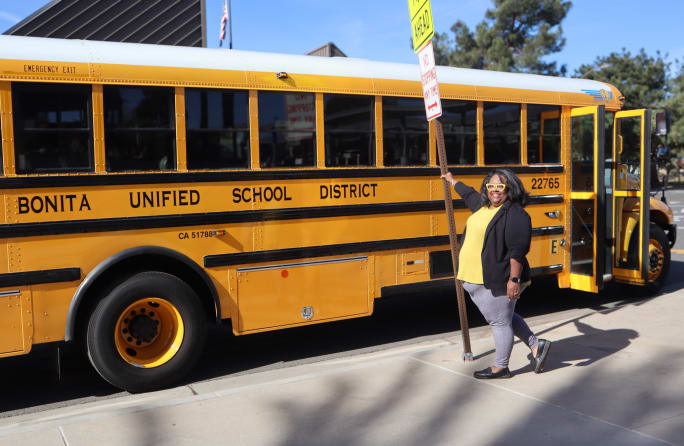
Managers especially play a crucial role in helping Black professionals grow and succeed by fostering open dialogue and accountability in a safe space while prioritizing diversity in leadership roles, Lee says.
Photo: Gary Burnett
Advice for Others
It can be easy for people of color in leadership roles to become overwhelmed or discouraged and stop advocating for themselves.
Lee reminds the importance of not staying silent when we see Black colleagues facing unfair treatment, and she encourages others to stand up for one another and add layers of accountability for recognizing and confronting bias.
She encourages her colleagues to recognize the importance of addressing racial stereotypes and promoting diversity, equity, and inclusion. “I invite everyone to be open and transparent, invest in retention strategies, and work toward creating a safe and supportive environment where Black employees feel comfortable showing up to work and sharing their experiences to incorporate into their roles. Together, we can enhance our ability to ensure that students receive the safe transportation they need to help them master the skills they need to fulfill their purpose.”
“We’re all in this together,” Lee added. “When you hear or see someone put down a Black colleague with hurtful words, a dismissive tone, or negative body language, let’s speak up and show that this behavior is unacceptable. By standing together, we can send a strong message that such behavior is unacceptable.”
“We can’t forget the importance of ongoing collaboration with our human resources departments to maintain a zero-tolerance policy toward racism. By setting that standard and providing ongoing support and reminders, along with a strong team that is willing to hold others accountable for their behaviors and actions, we can break down harmful stereotypes and create a safe space for Black professionals to thrive and advance.”
A Vision for the Future
That little girl mentioned in the story earlier perfectly illustrates why we need more diverse voices and faces in the industry.
“I would love to see more students hopping on our buses, utilizing our services, to know that I had a hand in making that a reality!” Lee writes. “It truly warms my heart to know that what we do allows students to utilize the safest mode of transportation to play a part in molding their future. It’s historical to know the strides I am taking are making history serving students as their first Black female director.”
Lee also voices a desire to see more people getting involved in state and local school bus networks.
“We need to nurture the passion of our dedicated bus drivers, mechanics, and transportation managers who are so committed to the yellow school bus and the safety of our students,” she said. “Bringing in more individuals and those in the technology generation can really help bring new ideas to the table to streamline routing, improve student management, and enhance collaboration between drivers and case carriers for our amazing SPED students.”
She credits organizations like CASTO (California Association of School Transportation Officials), CASBO (California Association of School Business Officials), and smaller networks like LAIN (Los Angles Instructors Network) and DTAC (the inland empire's driver trainer advisory council) for creating environments where all are welcomed.
“It's been amazing to connect with public and private fleet managers who have offered such great mentorship and support,” she said. “I truly appreciate having mentors and a community of like-minded folks to share ideas with — people who really want to see each other succeed while making a positive difference in the lives of students. We're not here to reinvent the wheel; we're all about pushing our industry forward in this ever-changing world.”
Above all, Lee wants everyone to recognize that we’re all in this together, working toward the same goals for our students — regardless of gender or skin color.
“Being a Black woman doesn’t hold me back,” she said. “I’m determined to move our industry forward to support our kids. It would be wonderful to see that kind of understanding and unity.”
Editor’s Note: What Black voices inspire you in student transportation? Please uplift the professionals you admire by mentioning them in the comments or reaching out to our editors!
Subscribe to Our Newsletter
More Management

How to Build a Better Driver Training Program
Ready to boost up your school bus instructor training? Here’s how to pick the right talent and improve recruitment, retention, and safety.
Read More →
CALSTART and Forth Combine to Form Catalyst Mobility
The new name represents a renewed vision for the nonprofit focused on advancing clean, equitable, and affordable transportation solutions that move people and goods.
Read More →
What Makes a Great School Bus Driver Trainer?
Choosing the right school bus driver trainer takes more than experience. Learn six keys to selecting and developing trainers and evaluating program effectiveness.
Read More →


School Bus Contractors Expand Through New Deals, Acquisitions & Partnerships
STA's Canadian division acquires Ontario-based G&L Stevenson Transport while Durham School Services adds a new district contract in California, First Student adds a New Jersey contract, and Minnesota Coaches acquires Halo Transportation.
Read More →
Logan Bus Company Rolls Out AI Phone System for NYC School Bus Families
A summer pilot found that AI agents could handle most routine calls, freeing up time for customer service staff to focus on emergencies and complex family concerns.
Read More →
From Intent to Impact: What I Learned About Leadership from TAPT
A Texas transportation supervisor shares lessons on self-awareness, accountability, managing stress and building trust — and why investing in leadership development matters at every stage of your career.
Read More →
NAPT Names 2026 Award Recipients, Hall of Fame Inductee
Who earned national recognition for their work in student transportation? This year, NAPT named five recipients of its 2026 awards for service, safety, and leadership, plus its newest Hall of Famer.
Read More →
Sponsored•September 2, 2026
2026 State of Student Transportation Report
Driver shortages. Rising costs. Growing safety expectations. More data, but not enough time to act on it. The 2026 State of Student Transportation Report reveals what transportation leaders say is putting the most pressure on their operations—and where they’re investing next. See how your priorities compare.
Read More →
How to De-Escalate an Angry Person: 5 Steps for Handling Workplace Conflict
What makes emotions run high, and how should you handle an angry colleague or parent? Follow these steps for staying calm, listening, showing empathy, and resolving conflict.
Read More →
Sponsored•September 1, 2026
What Readiness Looks Like This School Year
Learn about the challenges shaping the 2026–2027 school year, from persistent driver shortages and budget pressure to technology and readiness gaps. See how school districts are responding and adapting in Zonar’s 2026 Back-to-School Readiness Report.
Read More →