




DERA Escapes Budget Cuts (Again)
DERA’s latest escape from the budget axe is a testament to its broad support in multiple industries and on both sides of the political aisle.

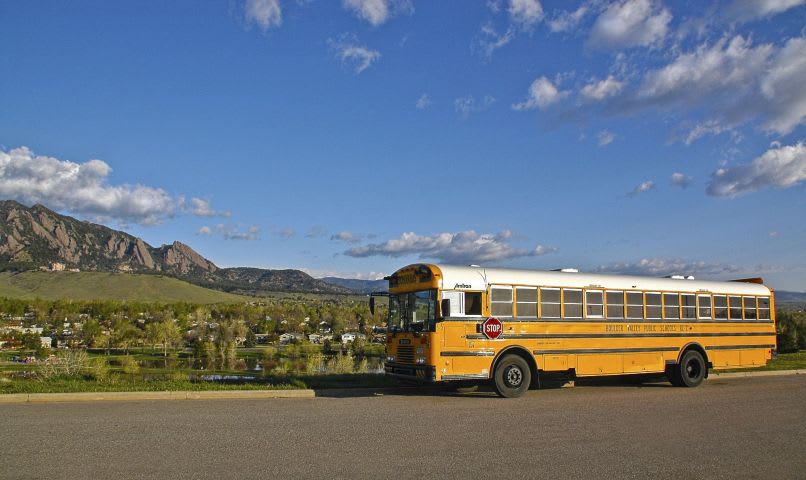
On April 19, the EPA announced a new round of DERA funding and another $23 million was recently added, for a total of $34 million.

On April 19, the EPA announced a new round of DERA funding and another $23 million was recently added, for a total of $34 million.
The future of the Diesel Emissions Reduction Act (DERA) recently fell into uncertainty amid proposals to cut federal spending, but the popular program has again emerged unscathed.
DERA’s latest escape from the budget axe is a testament to its broad support in multiple industries and on both sides of the political aisle.
Since it began in 2008, DERA has delivered about 690 grants to retrofit or replace older diesel vehicles — many of them school buses. In fact, the Environmental Protection Agency’s (EPA’s) DERA report to Congress last year listed school buses as the program’s most frequently funded vehicle sector from fiscal years 2009 through 2013.
The report, released in March 2016, also showed that nearly 13,000 diesel oxidation catalyst systems and about 1,400 diesel particulate filters had been installed on school buses with DERA funding. (Those numbers are likely higher now.)
In all, 73,000 vehicles or engines had been retrofitted or replaced through the program as of the 2016 report.
Despite its key role in curbing diesel emissions, DERA has on numerous occasions faced the threat of being “zeroed out.”
Earlier this year, as the new Trump administration eyed a so-called “skinny budget,” funding for DERA was one of the targets of proposed cuts. That led a coalition of groups to advocate for DERA in a letter to new EPA Administrator Scott Pruitt in March.
On April 19, the EPA announced a new round of DERA funding. The agency said that it expects to give out between 20 and 80 grants totaling at least $11 million for clean diesel projects.
(Since this story was published in the June issue, another $23 million in funding was added, for a total of $34 million. Also, EPA said that the deadline for proposals for the grant opportunity has been extended from June 20 to July 5.)
The new grant opportunity, it should be noted, tapped into previously passed funding. DERA’s funding level for the rest of the year remained unclear until May 1, when Congress released its fiscal year 2017 appropriations bill, which provides discretionary funding for the federal government.
Among the line items in the massive bill was a significant bump for DERA: $60 million for fiscal year 2017, which is a 20% increase from the 2016 level of $50 million.
As the next step in securing DERA’s future, an effort is underway to pass a reauthorization bill that would extend the program for about five more years. As of press time, the bill was being readied for introduction in Congress.
Even after the recent threats to DERA, the new funding increase passed by Congress is not a big surprise when you consider the history of the program.
As Allen Schaeffer of the Diesel Technology Forum points out in our “5 Questions” interview, the Obama administration also aimed to “zero out” DERA in budget proposals on more than one occasion, but Congress stepped in to continue funding the program.
DERA certainly has its champions on Capitol Hill, and the school bus industry has also been an important participant and advocate for the program.
Considering that a big portion of DERA grants have gone toward retrofitting or replacing older diesel school buses — which means cleaner air for students and their communities — the program is one example of federal spending that anyone can get behind.
More Management

How to Build a Better Driver Training Program
Ready to boost up your school bus instructor training? Here’s how to pick the right talent and improve recruitment, retention, and safety.
Read More →
CALSTART and Forth Combine to Form Catalyst Mobility
The new name represents a renewed vision for the nonprofit focused on advancing clean, equitable, and affordable transportation solutions that move people and goods.
Read More →
What Makes a Great School Bus Driver Trainer?
Choosing the right school bus driver trainer takes more than experience. Learn six keys to selecting and developing trainers and evaluating program effectiveness.
Read More →


School Bus Contractors Expand Through New Deals, Acquisitions & Partnerships
STA's Canadian division acquires Ontario-based G&L Stevenson Transport while Durham School Services adds a new district contract in California, First Student adds a New Jersey contract, and Minnesota Coaches acquires Halo Transportation.
Read More →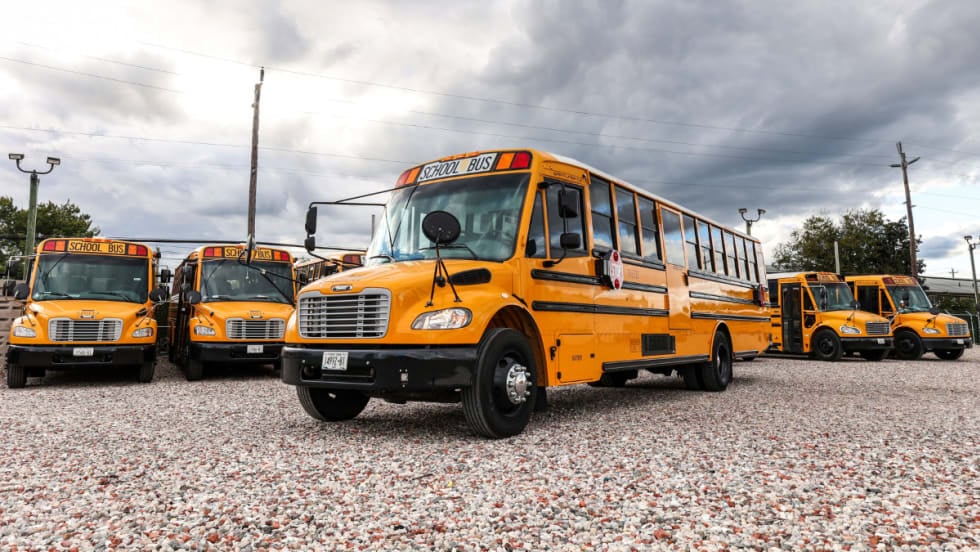
Logan Bus Company Rolls Out AI Phone System for NYC School Bus Families
A summer pilot found that AI agents could handle most routine calls, freeing up time for customer service staff to focus on emergencies and complex family concerns.
Read More →
From Intent to Impact: What I Learned About Leadership from TAPT
A Texas transportation supervisor shares lessons on self-awareness, accountability, managing stress and building trust — and why investing in leadership development matters at every stage of your career.
Read More →
NAPT Names 2026 Award Recipients, Hall of Fame Inductee
Who earned national recognition for their work in student transportation? This year, NAPT named five recipients of its 2026 awards for service, safety, and leadership, plus its newest Hall of Famer.
Read More →
2026 State of Student Transportation Report
Driver shortages. Rising costs. Growing safety expectations. More data, but not enough time to act on it. The 2026 State of Student Transportation Report reveals what transportation leaders say is putting the most pressure on their operations—and where they’re investing next. See how your priorities compare.
Read More →
How to De-Escalate an Angry Person: 5 Steps for Handling Workplace Conflict
What makes emotions run high, and how should you handle an angry colleague or parent? Follow these steps for staying calm, listening, showing empathy, and resolving conflict.
Read More →
What Readiness Looks Like This School Year
Learn about the challenges shaping the 2026–2027 school year, from persistent driver shortages and budget pressure to technology and readiness gaps. See how school districts are responding and adapting in Zonar’s 2026 Back-to-School Readiness Report.
Read More →