



Loving pigs and clean air
My youngest daughter, DeDe, loves pigs. I’m not exactly sure why, she just does. Always has. DeDe loves pigs so much that she stopped eating pork and ...
My youngest daughter, DeDe, loves pigs. I’m not exactly sure why, she just does. Always has. DeDe loves pigs so much that she stopped eating pork and pork products when she was 5. Not that she didn’t like pork; she just decided one day that she couldn’t eat a pig. To this day — nearly five years later — she refuses to eat anything that comes from a pig.
While her conviction is admirable, her advocacy is challenging. The rest of our family loves pork, but if we want to have some barbeque, for example, we either have to leave DeDe with a sitter or bring her along and keep an eye on her through the window while she stands out front of the restaurant holding a "Pork is Murder" sign. No kidding.
Activism is admirable
On one hand, I admire DeDe tremendously. We’ve had numerous long conversations about topics like faith and advocacy that have made me realize not only what a special and unique person she is, but have also helped me understand the mind of a true activist. At the age of 10, she has a passion for something that most of us can only hope to ever have. Thank God people don’t wear pig fur.
On the other hand, DeDe drives me crazy — in a good way. She’s a tremendously smart kid and is quick to point out that she’s never said that the rest of us can't eat pork. She just doesn’t want to be around when it happens. She also points out that it’s difficult to argue about feelings or opinions. "Just because you don’t feel the same way about pigs as I do doesn’t mean that I’m wrong."
Being the father of a budding activist has been a blessing. It has definitely taught me to be more patient. I think I’m a better listener too. It has also taught me to be especially careful when dealing with advocates. In fact, I think that remembering my daughter’s love of pigs can help all of us be better prepared to play an important role in the ongoing public policy debate about engine emissions and cleaner air.
Just like DeDe, clean air advocates are passionate about what they believe. They will sometimes make alarmist or sensational claims about unsafe school buses that are intended to encourage the public to demand new expenditures to clean up air and new regulations to reduce emissions — nevermind that the expenditures may be unnecessary, the air is already clean or that the unhealthy emissions will be eliminated by existing measures. That’s not the point. They are simply trying to ignite the same passion in other people that they hold themselves.
Passion is double-edged sword
It is our task as an industry, therefore, to constantly remind the public, and especially cleaner-air advocates, that there is a significant difference between the potential increase in long-term health risks to children riding in older, diesel-powered school buses and the very real increase in safety risks that children face when they do not ride school buses to and from school each day.
Dr. Brian McCarry, a professor at McMaster University in Canada, has stated that it is important for parents to keep the risks faced by their children in perspective. "If they live in a home with a smoker, that’s infinitely more dangerous than being on a school bus."
Perhaps our most important task is reminding people that replacement/retrofit efforts are a continuous, incremental process and that funding is the critical component. At best, it would take approximately eight years to replace our nation’s entire fleet, at a cost that could approach $20 billion. Everyone needs to acknowledge and accept the fact that there is no way we can implement expedited replacement/retrofit programs without financial support from the federal government or individual state governments and find ways to work together to make it happen.
Mike Martin is executive director of the National Association for Pupil Transportation.
More Alternative Fuels
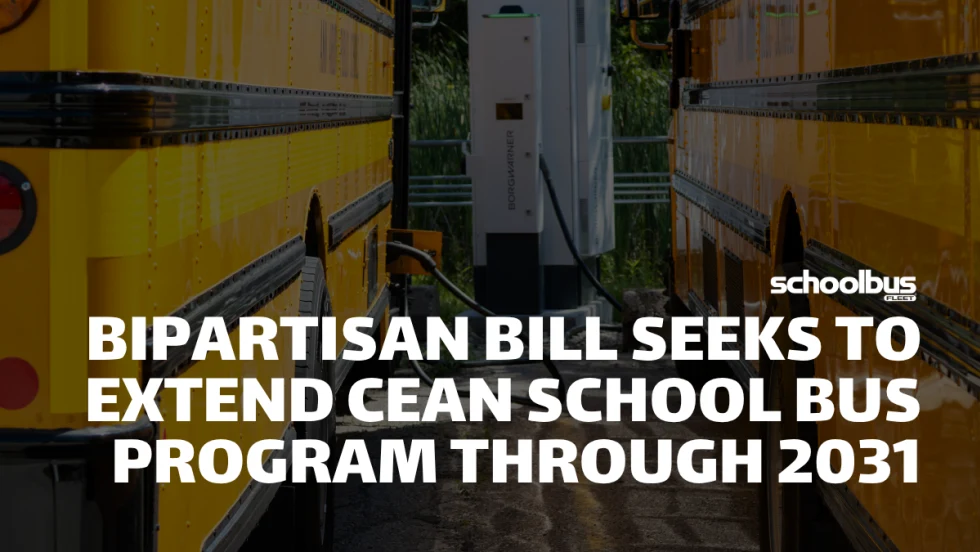
Bipartisan Bill Seeks to Extend Clean School Bus Program Through 2031
The proposed legislation would renew federal support for cleaner school buses as districts navigate funding uncertainty, rising fuel and infrastructure costs, and fleet replacement needs.
Read More →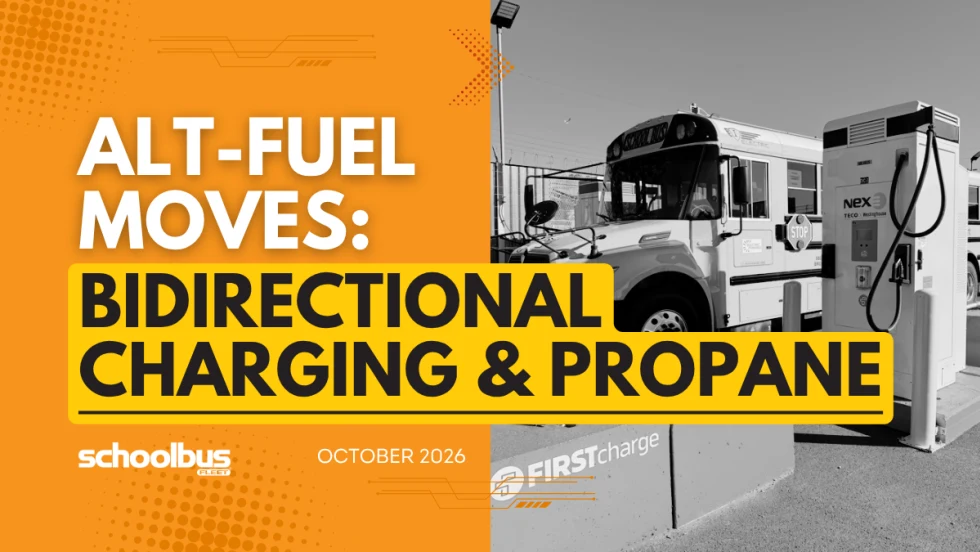
Alt-Fuel Moves: Electric Bus Rollouts, Bidirectional Charging & Propane Growth
See which fleets are adding electric and propane school buses as districts and operators invest in charging infrastructure, bidirectional technology, and alternative-fuel expansion.
Read More →
Nobody Told Diesel Prices They Were Supposed to Come Down
With diesel prices surging, school bus fleets have new reason to stress-test fuel costs, consider diversification, and calculate what each route really costs to operate.
Read More →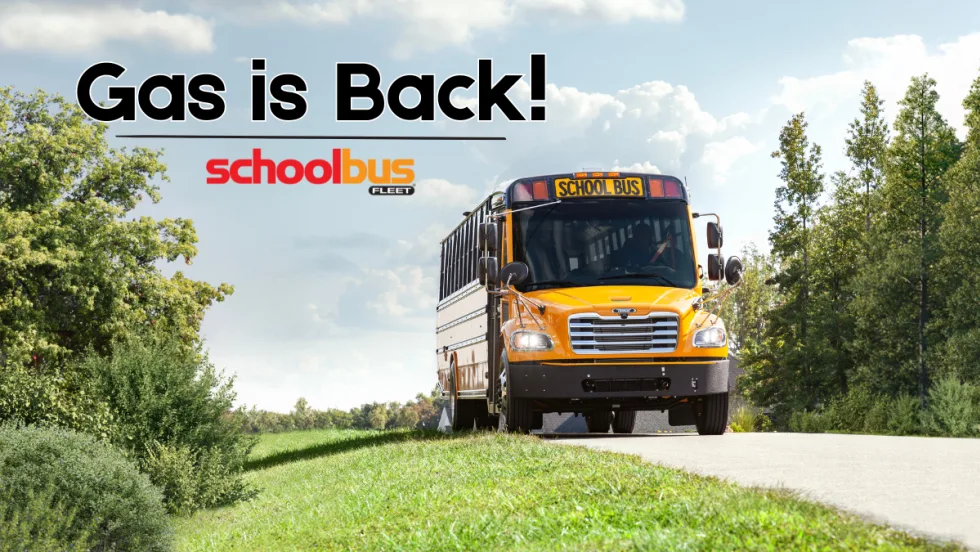
Why Gasoline School Buses Are Making a Comeback
Gasoline is gaining ground in full-size school buses. See how today’s options stack up against diesel on cost, maintenance, emissions, performance, and more.
Read More →
EPA Opens $180M DERA Funding Round for Diesel Upgrades
The 2026 Diesel Emissions Reduction Act program seeks applications from eligible organizations to accelerate the retirement of legacy diesel vehicles.
Read More →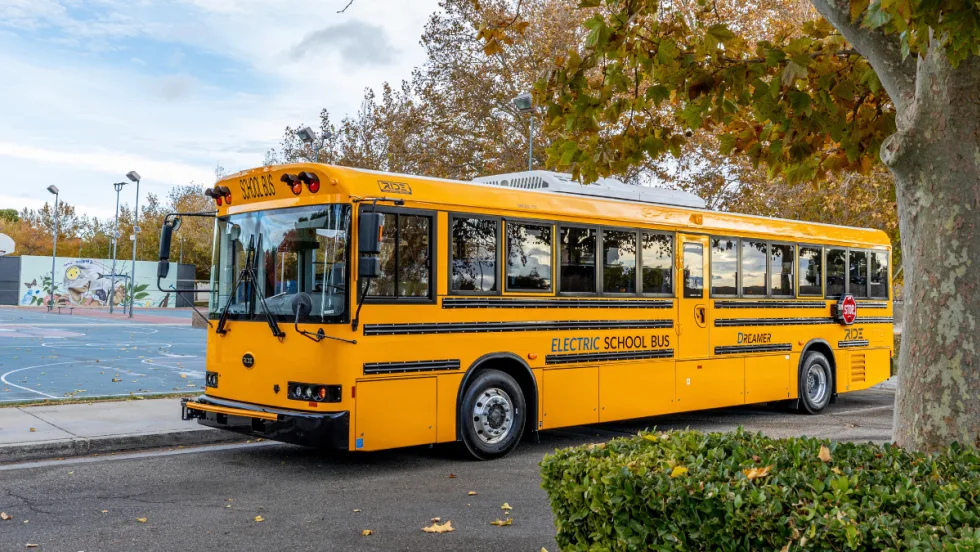
The Secret Life of an Electric School Bus Battery
Batteries change throughout years of daily routes, but degradation doesn’t necessarily mean the end. Here’s what operators should know about performance, safety, and second life.
Read More →
CALSTART and Forth Combine to Form Catalyst Mobility
The new name represents a renewed vision for the nonprofit focused on advancing clean, equitable, and affordable transportation solutions that move people and goods.
Read More →
Alt-Fuel Moves: New Buses, Charging Hubs & Real-World EV Testing
Propane and electric school bus deployments continue to grow as districts add new vehicles, expand charging infrastructure, and gather more real-world operating data.
Read More →
Fewer Electric School Bus Models Reshape the U.S. Market
WRI’s latest buyer’s guide points to a consolidating electric school bus market, but fewer options may reflect a maturing industry rather than fewer meaningful choices for school bus operators.
Read More →
The Fuel Budget You Can Actually Predict: How Propane Autogas Keeps Money in the Classroom
Learn how propane autogas helps school districts manage fuel costs with predictable pricing, lower maintenance, and reduced emissions from former transportation director Joel Stutheit.
Read More →