




Illegal bus passing: Knowing is half the battle
If drivers know in advance that they should be looking out for those stopped buses, and if they’ve been educated on the danger that illegal passing poses for students, they should be more prepared and more convinced of the need to stop.
In the fight against stop-arm running, public awareness is a key line of attack.
Some motorists apparently still need to be clued in on when to stop for school buses. Of course, the stop arm and flashing lights provide a clear message when students are loading and unloading. But if drivers know in advance that they should be looking out for those stopped buses, and if they’ve been educated on the danger that illegal passing poses for students, they should be more prepared and more convinced of the need to stop.
As we recently reported, school bus operations in 28 states took part in the second national stop-arm running count, which found 88,025 violations in a day. As Mike Simmons, president of the National Association of State Directors of Pupil Transportation Services (NASDPTS), noted when the results were released, the count “captured only a fraction of the violations that bus drivers and other professionals in school transportation and law enforcement know are occurring.” But the number is still so high that it can be a powerful tool in public awareness.
The national or state-level stop-arm running data can be used in public service announcements and can be submitted to media outlets and legislators. In Maryland and Iowa, data from last year’s survey aided in passing legislation to crack down on stop-arm running.
The survey statistics also provide solid proof, rather than anecdotal evidence, of how big of a problem illegal school bus passing is.
NASDPTS will likely decide at its conference this fall whether to conduct the national stop-arm running count again next year. If the count does continue and your state hasn’t yet participated, I encourage you to join the effort. The more states that contribute their numbers, the more robust the results will be.
Another recent development on the public awareness front came out of Georgia, where a campaign to curb stop-arm running had a high-profile advocate on board: the state’s first lady, Sandra Deal.
The issue has added urgency in Georgia. The state had two school bus loading/unloading fatalities in the 2010-11 school year and five in 2009-10, according to the Kansas State Department of Education’s national report (which has not yet been compiled for the 2011-12 school year). In three of those accidents, the students were struck by a vehicle illegally passing their bus.
In its one-day count of stop-arm running earlier this year, Georgia reported 7,349 vehicles illegally passing school buses.
Deal toured the state for a few days in August, visiting schools to promote the “Stop Means Stop” campaign, which aims to raise awareness about the need to stop for school buses.
The Georgia Department of Education and the Governor’s Office of Highway Safety partnered for the program, and law enforcement agencies also joined the effort.
For example, deputies in Effingham County rode school buses during a week in August. If a deputy saw a violation, he or she would radio ahead to have another deputy stop the vehicle and issue a citation.
Getting a citation is an unpleasant wake-up call, but now they know. And, yes, knowing is half the battle.
More Safety

How to Build a Better School Bus Driver Training Program
Is it time to strengthen your driver training? Here’s how to pick the right talent and improve recruitment, retention, and safety. This video is brought to you by IC Bus.
Read More →
Recent School Bus Accidents Leave 2 Dead, 2 Injured
Four school bus crashes in Florida, Illinois, and Georgia highlight risks in transportation lots, at bus stops, and during student loading and unloading.
Read More →
When Every Second Matters, Clarity Keeps Routes Moving
From routine delays to urgent incidents, strong communication practices help drivers, dispatchers, schools, and families respond with confidence.
Read More →

What Happens When a School Bus Catches Fire — and What Can Help
School bus fires are rare but can be devastating. Learn how advances in fire suppression and asset protection help fleets detect fires earlier, reduce damage, and improve safety.
Read More →
Geotab Launches Tool to Help Fleets Investigate Road Incidents
Geotab Investigations combines telematics data, video, documents, and other evidence to help fleets reconstruct incidents, resolve claims, and determine what happened.
Read More →
Texas Sixth Grader Wins 2026 National School Bus Safety Poster Contest
Sai Darshana Yekolu of Moseley Middle School in Prosper, Texas, was named the newest winner for her artwork, bringing the theme of “Safe Rides, Everyday Heroes” to life.
Read More →
Doing More With Less: How Transportation Directors Can Prioritize Safety Amid Budget Uncertainty
With diesel prices soaring and nearly one-third of transportation directors expecting budget cuts, maintaining student safety has never been more challenging. Download this guide to learn how leading districts are prioritizing risk, funding critical safety technology, and building stronger budget cases with data.
Read More →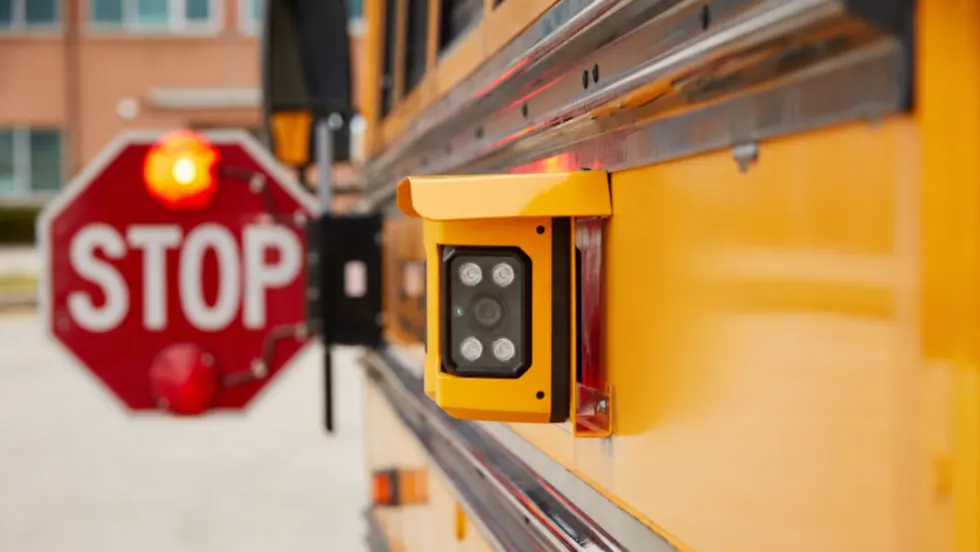
Walton County Schools Adds Gatekeeper Stop-Arm Enforcement System
The Florida district will deploy Gatekeeper’s updated Student Protector technology, which now incorporates AI to improve video evidence.
Read More →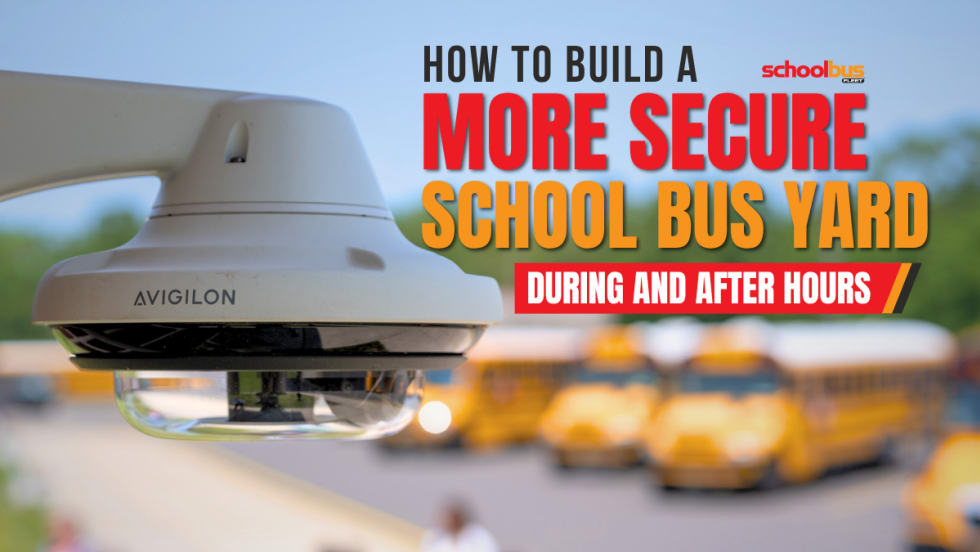
How To Build a More Secure School Bus Yard During and After Hours
As thefts and overnight security threats continue, school transportation leaders are combining stronger operational practices with AI-enabled surveillance to better protect buses, facilities, and staff.
Read More →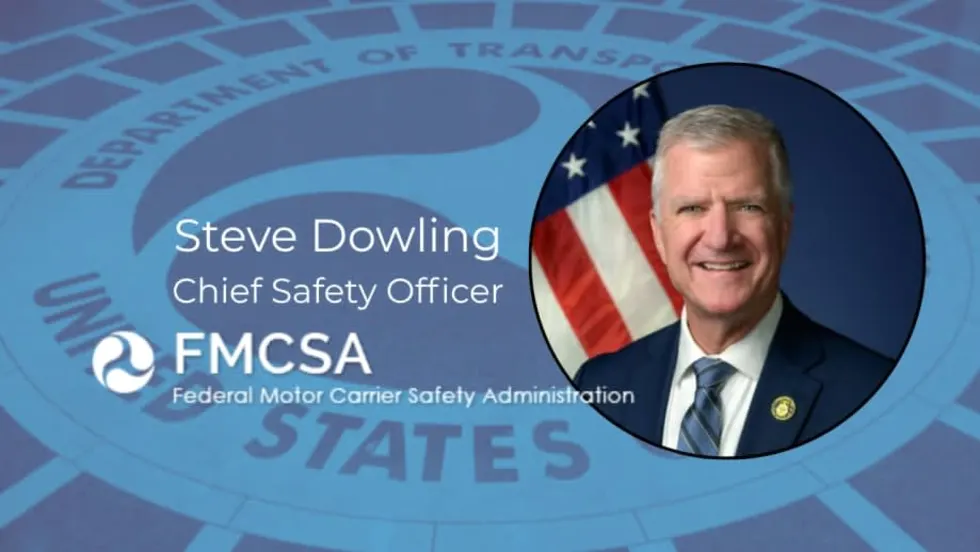
FMCSA Names New Chief Safety Officer: What School Bus Operators Should Know
Steve Dowling is set to lead the federal agency's efforts to advance commercial motor vehicle safety and reduce crashes, fatalities, and injuries on the nation's roadways.
Read More →