




New to Electric School Bus Adoption? Experienced Operators Share 6 Tips
Electric School Bus Maintenance: Key Similarities, Differences
Some components under the hood, such as hoses and coolant, are the same. Key differences include the need to disable batteries during repairs, a noise generator, and significantly fewer parts in an electric motor.

Nicole Schlosser・Former Executive Editor
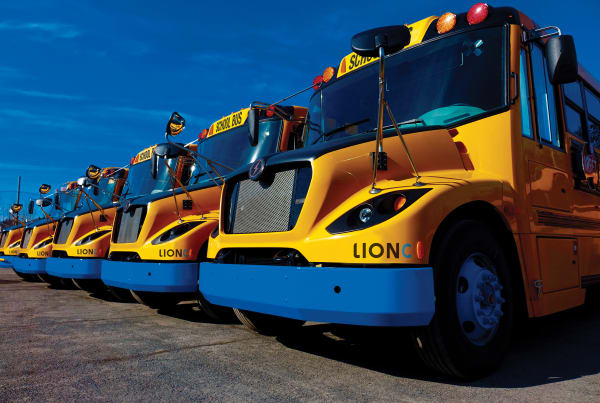
Some key differences in electric bus maintenance include the need to disable batteries during repairs and significantly fewer parts requiring upkeep in an electric motor versus a diesel engine.
File photo courtesy The Lion Electric Co.
4 min to read
With enthusiasm for electric school buses rapidly growing, more operators may be interested in fleet electrification, but be curious or concerned about what that entails for maintenance.
Although there are some differences, many maintenance elements remain the same, as sales representatives from The Lion Electric Co. demonstrated on Saturday at the California Association of School Transportation Officials’ (CASTOs’) annual conference, which was conducted virtually this year.
John Vaughn, sales manager; Peter Tuckerman, director of sales; and Edwardo Gonzalez Caamaño, sales manager, conducted a virtual walk-through of a LionC bus and detailed the similarities and differences between electric school buses and those powered by diesel, gasoline, propane, etc.
Drivers may be hesitant to try these relatively new buses, but many components, such as steering and the throttle, should feel very familiar, Caamaño said.
Similarities
From the entrance to the rear doors, the bus is essentially the same with a key ignition, switches, and a dashboard. Under the hood, electric buses still include components such as coolant and hoses.
They also perform similarly to buses with a diesel engine, with a capability of 335 horsepower and 1,800 ft-lb. of torque.
Additionally, in tandem with the high-voltage battery back used for propulsion, the electric bus uses 12-volt batteries to power auxiliary systems just like a conventional bus. If the bus’s batteries die, for example after a long period of storage without a trickle charger, they still need a jump-start, same as with a diesel bus.
Differences
One crucial difference to be aware of in maintaining an electric bus, is, obviously, the batteries. They also have several converters and inverters, including high-voltage cables, that transmit electricity from the batteries, starting at 60 volts, Vaughn said.
Most importantly, when performing maintenance, the technician must disable the batteries because they still have energy stored.
If, for example, a mechanic is drilling hole in a bus’s floor, they need to disengage the contactors in the batteries in every battery pack (the LionC has four) and wait 15 minutes before performing maintenance.
As added safety precautions, electric buses include a high-voltage battery disconnect system located inside the bus beside the driver’s seat, as well as a red button to press to stop the flow of coolant in the event of a coolant leak, Tuckerman said.
Other maintenance tasks are reduced in an electric school bus. For one, there are fewer fluids to maintain. Those that must still be kept up with include windshield wiper fluid. There are about 20 parts in an electric motor versus 2,000 in a diesel engine, which will create maintenance efficiencies in the long term as well, Vaughn said.
“Eight to 10 years down the road, you won’t need to take the bus to a third-party mechanic,” he added.
Another difference under the hood: electric buses have a noise generator since the buses run so quietly, to alert students and other drivers of their presence.
Behind the driver’s seat is a screen that mimics a dashboard and features diagnostics such as battery range, miles per hour, the state of battery charge in each pack, troubleshooting fault codes, and the heater temperature. This feature also collects more data on driver performance, which operators can use to improve mileage.
Without a transmission, there is no hill hold feature. The driver steps on the brake, releases it, and has three to five seconds to transition to the accelerator pedal to avoid rollback. (The bus is programed to creep forward if the driver eases off the brake.)
With electric buses, there is four to six times more brake and tire efficiency, depending on driving habits and maintenance practices. (Lion offers air brakes but recommends hydraulic braking due to greater efficiency.)
Efficiency Tips
Caamaño recommends hypermiling — using driving techniques similar to those used to reduce fuel consumption — to improve speed and efficiency, noting that electric school buses can get up to and beyond one kilowatt-hour per mile. It comes down to the driver avoiding hard braking to take advantage of regenerative braking, he said.
“Let off the throttle so the vehicle slows down a bit,” Caamaño added. “That generates power from batteries and can add an extra 20 miles to the range. “
In addition, it is important to ensure the wheel bearing isn’t adjusted too tightly, so the bus can coast easily, Vaughn says, and check the alignment so the brakes aren’t dragging, which affects battery power consumption.
Operators can program when to charge the bus, for example, from 11 p.m. to 6 a.m., when energy costs are lowest, for maximum efficiency.
Subscribe to Our Newsletter
More Alternative Fuels

CALSTART and Forth Combine to Form Catalyst Mobility
The new name represents a renewed vision for the nonprofit focused on advancing clean, equitable, and affordable transportation solutions that move people and goods.
Read More →
Alt-Fuel Moves: New Buses, Charging Hubs & Real-World EV Testing
Propane and electric school bus deployments continue to grow as districts add new vehicles, expand charging infrastructure, and gather more real-world operating data.
Read More →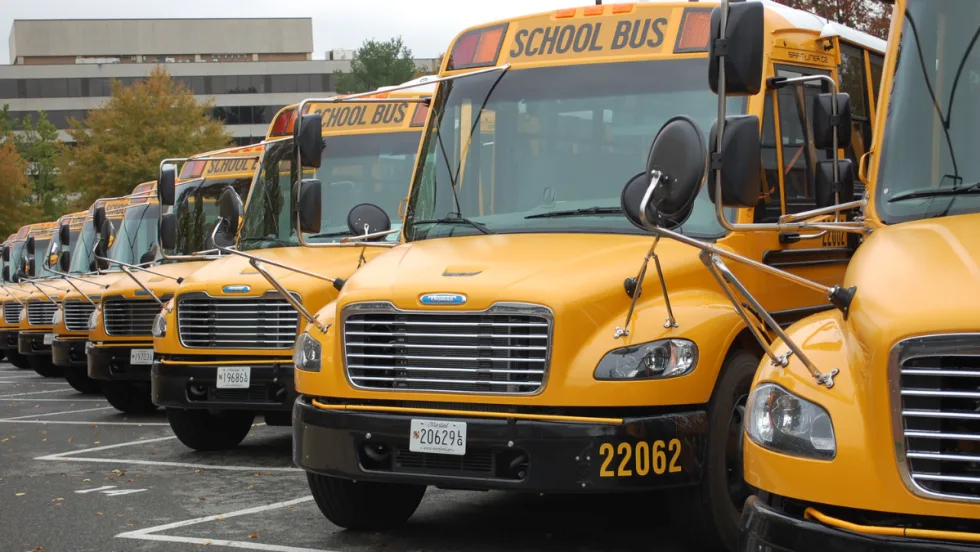
Fewer Electric School Bus Models Reshape the U.S. Market
WRI’s latest buyer’s guide points to a consolidating electric school bus market, but fewer options may reflect a maturing industry rather than fewer meaningful choices for school bus operators.
Read More →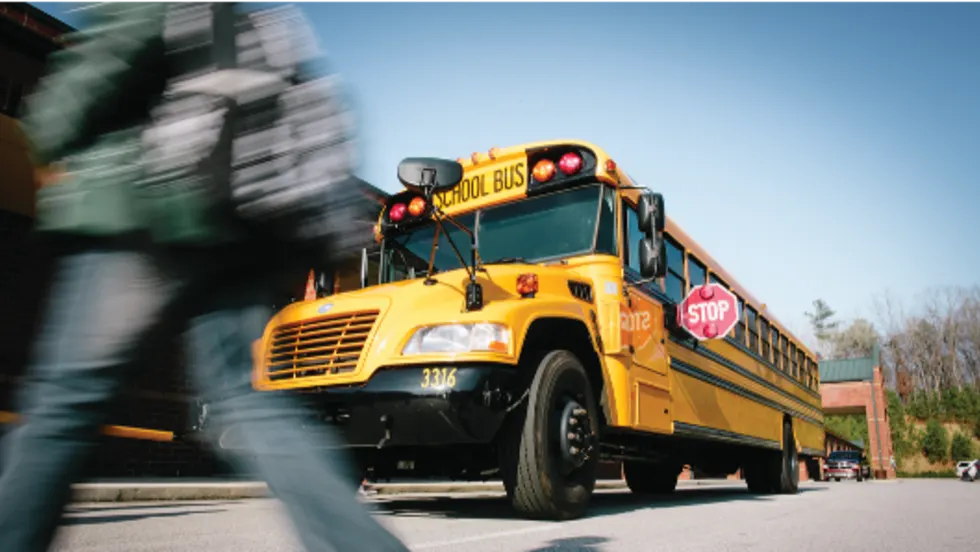
The Fuel Budget You Can Actually Predict: How Propane Autogas Keeps Money in the Classroom
Learn how propane autogas helps school districts manage fuel costs with predictable pricing, lower maintenance, and reduced emissions from former transportation director Joel Stutheit.
Read More →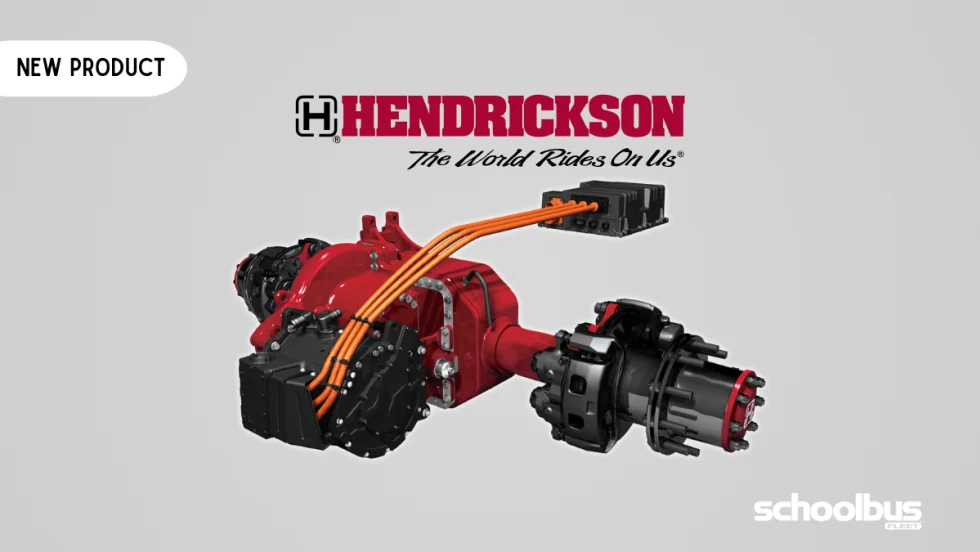
Hendrickson, Driventic Introduce New Electric Powertrain for School Buses
ELECTRAAX, the electrified, lightweight drive axle offers integrated ePowertrain efficiency and modular flexibility for Class 6–7 school bus use.
Read More →
The Mobility House Joins PowerFlex in Fleet Electrification Deal
The acquisition combines intelligent charging software, bidirectional charging expertise, and fleet electrification services to support the growing adoption of electric school buses across North America.
Read More →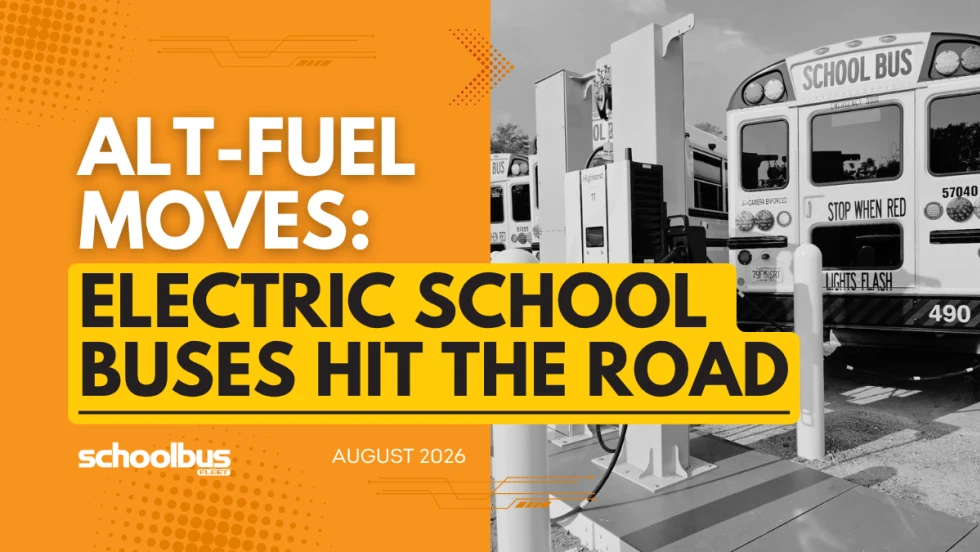
Alt-Fuel Moves: Electric School Bus Investments Hit the Road
See which districts across the U.S. are putting electric school buses into service, expanding charging infrastructure, and planning the next phase of fleet electrification.
Read More →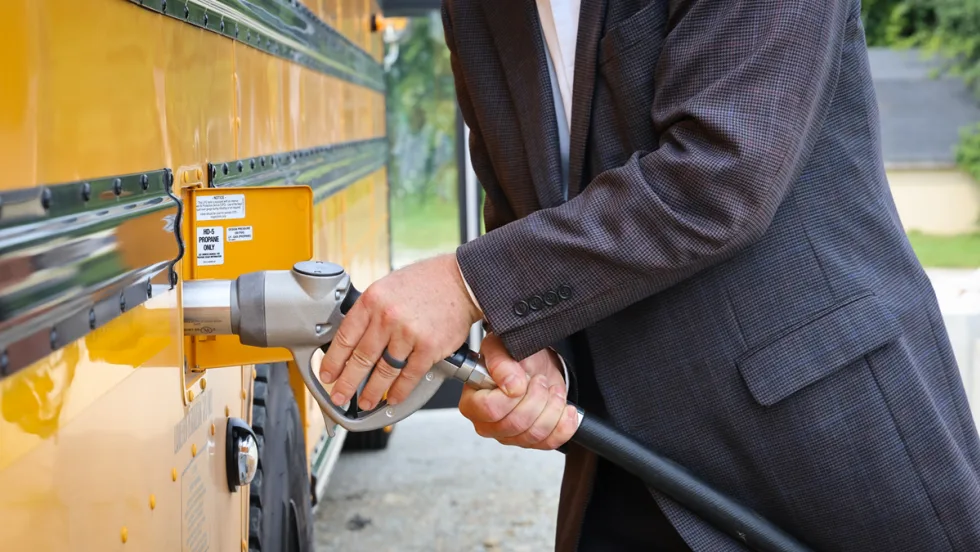
With Fuel Volatility Ahead, School Districts Turn to Propane
While diesel prices peaked above $5 this spring, districts with propane autogas-powered fleets paid under $2 per gallon, according to PERC.
Read More →
EPA Unveils Proposed Changes to 2027 Heavy-Duty Engine Rules
The federal agency has proposed changes to next year’s targets that would eliminate DEF derates, ease warranty requirements, and retain current NOx emissions standards.
Read More →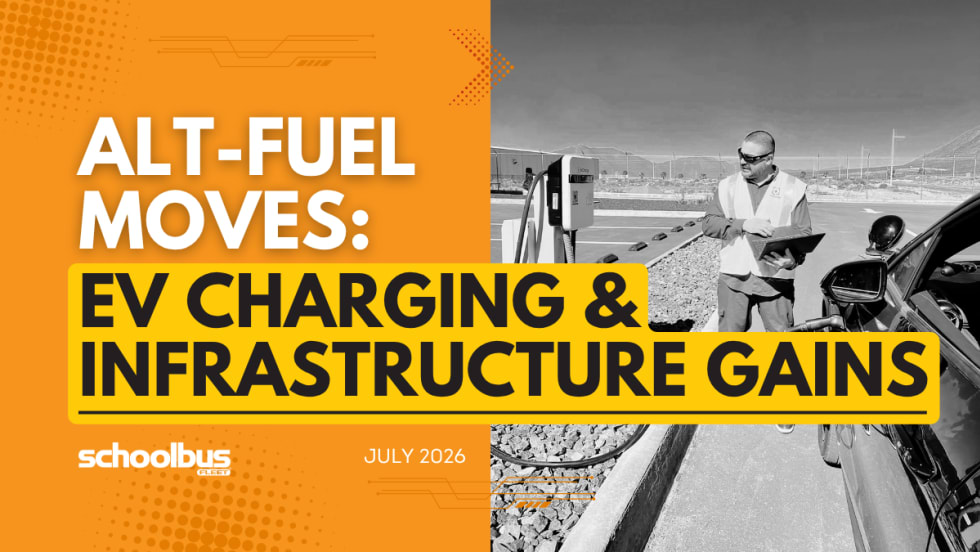
Alt-Fuel Moves: EV Charging & Infrastructure Projects Gain Momentum
The latest developments include new funding, charging infrastructure, utility investments, and fleet technologies designed to support the transition to electric school buses nationwide.
Read More →