




Check Out: 5 Tips for Electric School Bus Training with First Responders
Electric Impact On the Way
Two zero-emission bus manufacturers are opening major new facilities in the United States this year. What difference could Lion Electric and GreenPower Motor Co. make in Illinois and West Virginia?
by Wes Platt and Christy Grimes
March 18, 2022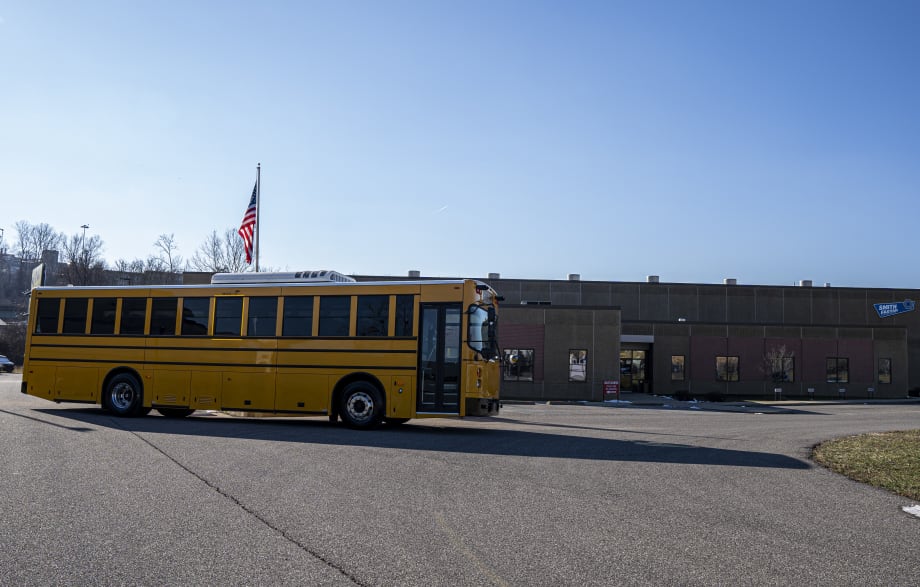
Residents of South Charleston in West Virginia anticipate an employment boost, along with benefits for other area businesses, when GreenPower starts EV production later this year.
Photo: GreenPower Motor Co.
4 min to read
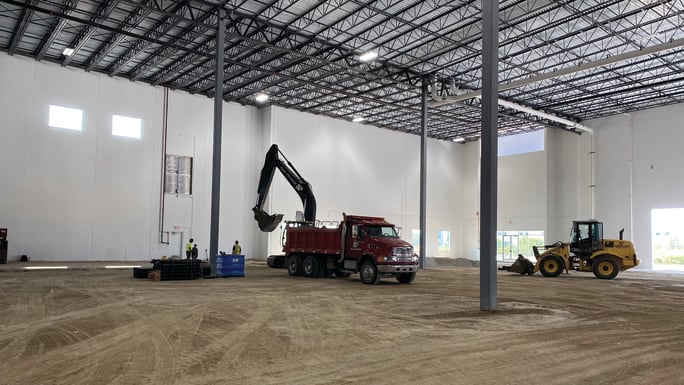
As many as 1,400 clean-energy jobs are expected to come to Lion Electric’s new electric-vehicle manufacturing facility in Illinois during the next four years.
Photo: The Lion Electric Co.
Two Canadian electric-vehicle manufacturers are in the process of expanding their corporate footprints in the United States.
Lion Electric Co., which started in Quebec, is putting down new roots in the Chicago suburb of Joliet, Illinois, with a newly constructed facility, while Vancouver-based GreenPower Motor Company takes over an existing space in South Charleston, West Virginia.
The Chicagoland area is expected to see up to 1,400 new clean-energy jobs over the next four years. The first vehicles are expected off the production line in the second half of 2022. West Virginia leaders anticipate as many as 900 jobs could come to the GreenPower plant as that company makes it easier to reach customers along the Atlantic coast.
Lion Electric Sparks Optimism
In January, Lion Electric officially took possession of its new facility, with production capacity for about 20,000 vehicles per year. According to company officials, the Joliet project “will represent the largest dedicated production site for zero-emission medium and heavy-duty vehicles in the U.S. upon its completion.”
In 2021, when plans for the new 900,000-square-foot facility were announced, The Chicago Sun-Times reported that Lion CEO Marc Bedard said: “This significant expansion into the U.S. market will not only allow us to drastically increase our overall manufacturing capacity of electric trucks and buses, but to also better serve our customers, while adding critical clean manufacturing jobs that will form the backbone of the green economy.”
The newspaper also reported that Lion qualified for tax incentives through Illinois’s Edge program, which means the company can “claim credits for 50% of the state income tax attributable to the new jobs.”
Mike Paone, vice president of the Joliet Chamber of Commerce, says the economic impact for both Joliet and the surrounding area will be felt for decades. Lion Electric’s presence is expected to lead other manufacturers, suppliers, and secondary industries to the region. It should also put Joliet on the zero-emissions map, Paone says.
“Zero-emission vehicles are the future of this nation, and Illinois has taken recent action to position themselves right in the middle of this electric trend,” he says.
It helped, Paone adds, that Joliet holds proximity to several highways and major railways. Brian Alexander, public relations director for Lion Electric, confirms that Joliet appealed because of its central location for transport routes and distribution infrastructure.
He believes the company was drawn to the area because of its proximity to several highways and major railways. Alexander agreed, saying Joliet is a central location for transport routes and distribution infrastructure.
Joliet mayor Bob O’Dekirk says the facility will be huge for his city. He tells School Bus Fleet it will fill a void that was created when a major manufacturer left the area a few years ago. He hopes other companies follow suit in moving to Joliet.
Lion Electric officials say some training programs eventually may be established, but details remain uncertain for now. However, Illinois is spending $15 million to develop academies to train workers looking for jobs on high-tech production lines like those coming to Joliet. Gov. J.B. Pritzker announced plans for those programs in 2020.
GreenPower Grows East
For years, GreenPower has assembled its AV Star, EV Star, and BEAST vehicles at a facility in California’s San Joaquin Valley. Later this year, company leaders hope to hire local South Charleston workers to build them east of the Mississippi River – and thus within easier reach of markets like New York, which recently saw Gov. Kathy Hochul declare plans to go all-electric with school buses by 2035.
“There are roughly 50,000 school buses on the streets in New York State, polluting the communities they operate in with harmful emissions,” stated text in a document released for Hochul’s State of the State address. “It is estimated that fully electrifying school buses in New York City alone would be the equivalent of taking nearly 650,000 passenger vehicles off the road.”
In West Virginia, GreenPower’s president, Brendan Riley, declared his intention to provide skilled jobs to workers in the region at the new plant. The company estimates that, once production is fully ramped up, it could bring $500 million to the region each year. That came as great news to leaders in the Mountain State.
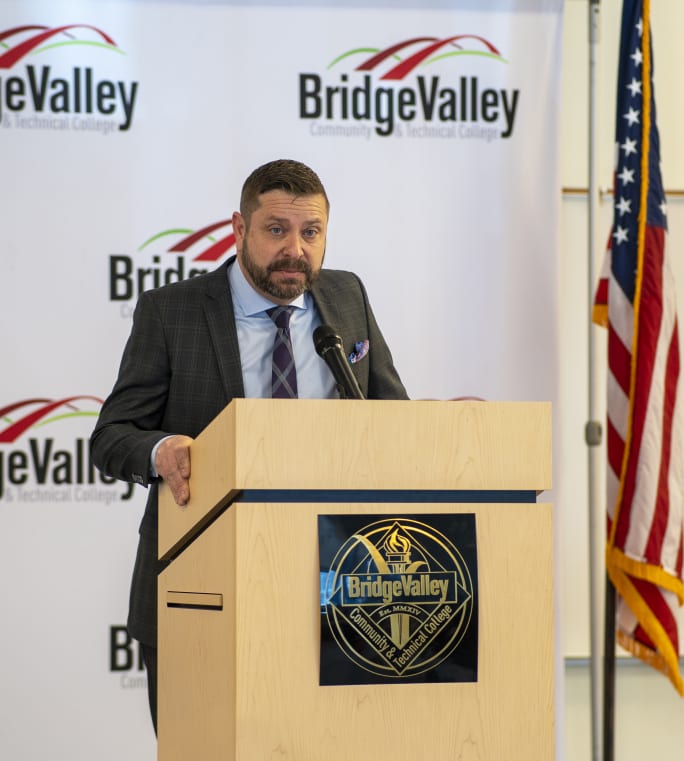
GreenPower President Brendan Riley attended a media briefing on Feb. 1 where a training partnership was announced between the manufacturer, BridgeValley Community & Technical College, and the Workforce Development Board of Kanahwa County.
Photo: GreenPower Motor Co.
“West Virginia is ideally positioned to lead the nation in transitioning to electrification of the transportation network, battery research and development, and environmentally sustainable vehicles,” says Mitch Carmichael, the state’s secretary of economic development.
Says Frank Mullins, mayor of South Charleston: “We are in a period of prosperity and growth, and this manufacturing plant being located in South Charleston is one more feather in our cap.”
As part of the deal, West Virginia guarantees to buy at least $15 million worth of GreenPower’s electric buses.
Training for the GreenPower facility is expected to come through a new partnership between the company, BridgeValley Community & Technical College, and the Workforce Development Board of Kanawha County.
Lance Wheeler, a county commissioner and owner of Impact Realty, says the potential 900 new jobs to him mean “900 new opportunities for citizens to provide for their kids and their families, and that brings me excitement.”
Subscribe to Our Newsletter
More Alternative Fuels

CALSTART and Forth Combine to Form Catalyst Mobility
The new name represents a renewed vision for the nonprofit focused on advancing clean, equitable, and affordable transportation solutions that move people and goods.
Read More →
Alt-Fuel Moves: New Buses, Charging Hubs & Real-World EV Testing
Propane and electric school bus deployments continue to grow as districts add new vehicles, expand charging infrastructure, and gather more real-world operating data.
Read More →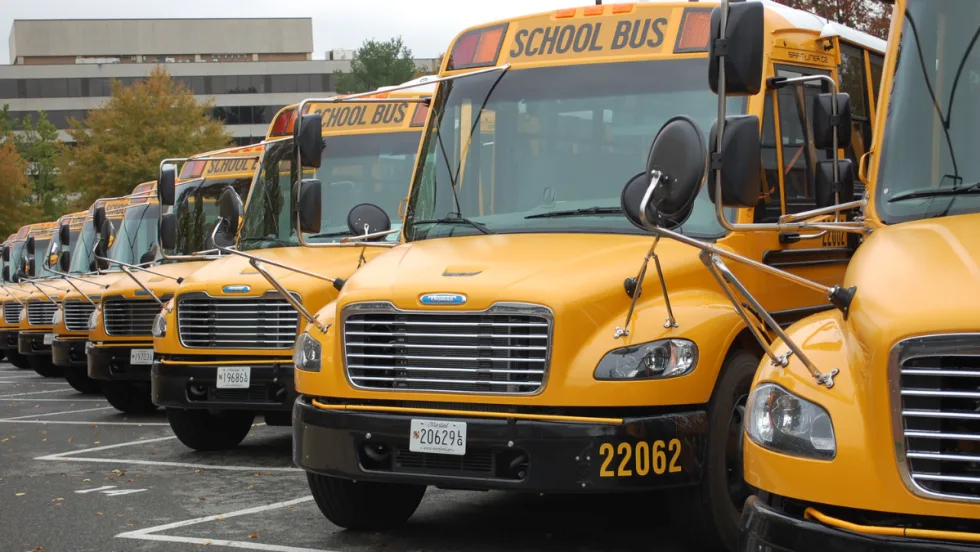
Fewer Electric School Bus Models Reshape the U.S. Market
WRI’s latest buyer’s guide points to a consolidating electric school bus market, but fewer options may reflect a maturing industry rather than fewer meaningful choices for school bus operators.
Read More →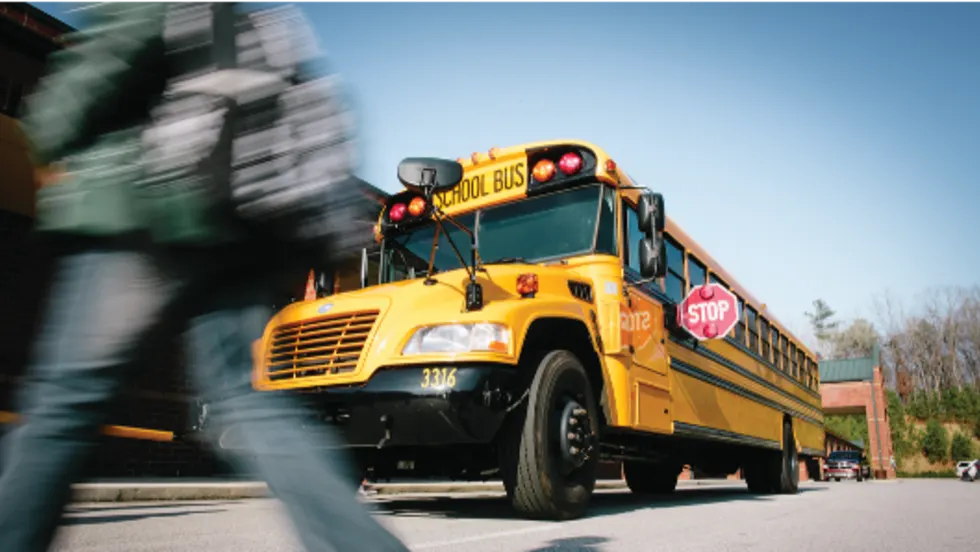
The Fuel Budget You Can Actually Predict: How Propane Autogas Keeps Money in the Classroom
Learn how propane autogas helps school districts manage fuel costs with predictable pricing, lower maintenance, and reduced emissions from former transportation director Joel Stutheit.
Read More →
Hendrickson, Driventic Introduce New Electric Powertrain for School Buses
ELECTRAAX, the electrified, lightweight drive axle offers integrated ePowertrain efficiency and modular flexibility for Class 6–7 school bus use.
Read More →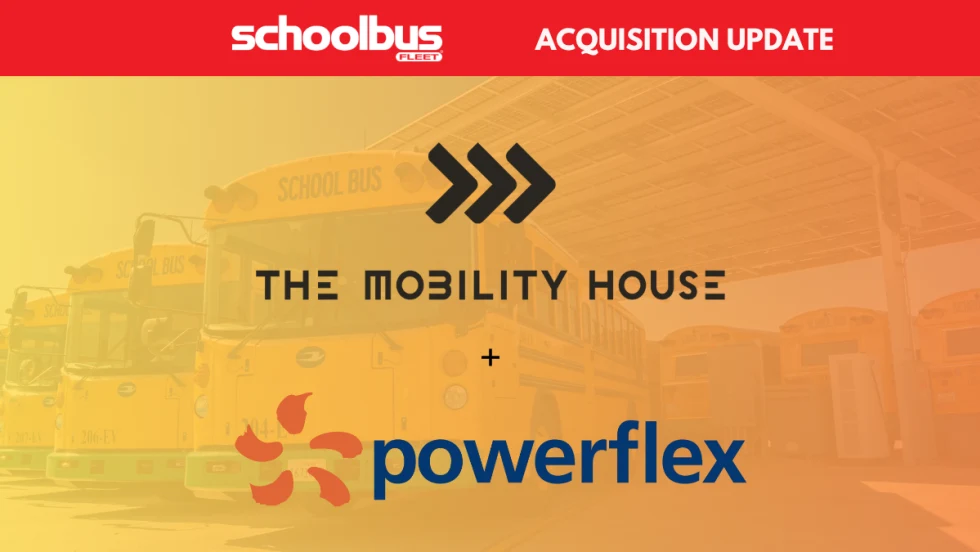
The Mobility House Joins PowerFlex in Fleet Electrification Deal
The acquisition combines intelligent charging software, bidirectional charging expertise, and fleet electrification services to support the growing adoption of electric school buses across North America.
Read More →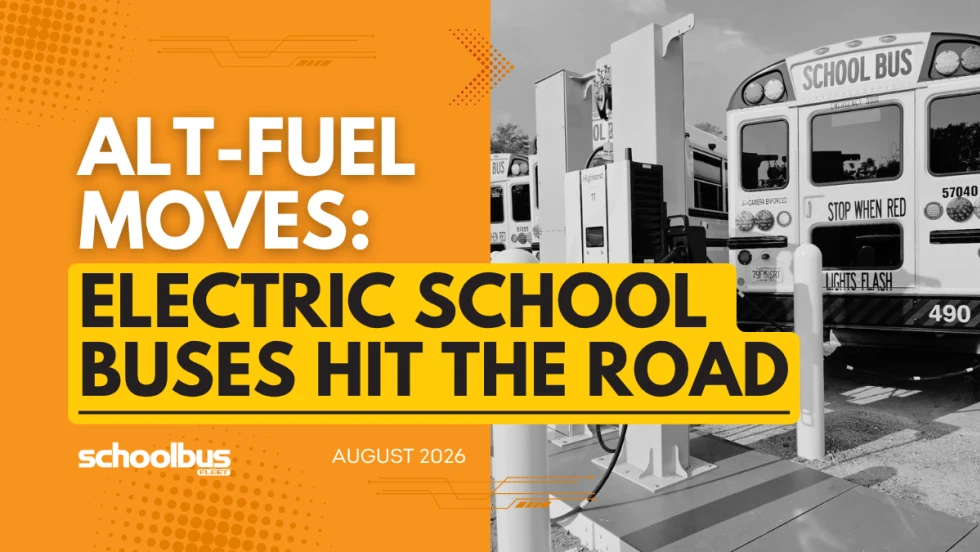
Alt-Fuel Moves: Electric School Bus Investments Hit the Road
See which districts across the U.S. are putting electric school buses into service, expanding charging infrastructure, and planning the next phase of fleet electrification.
Read More →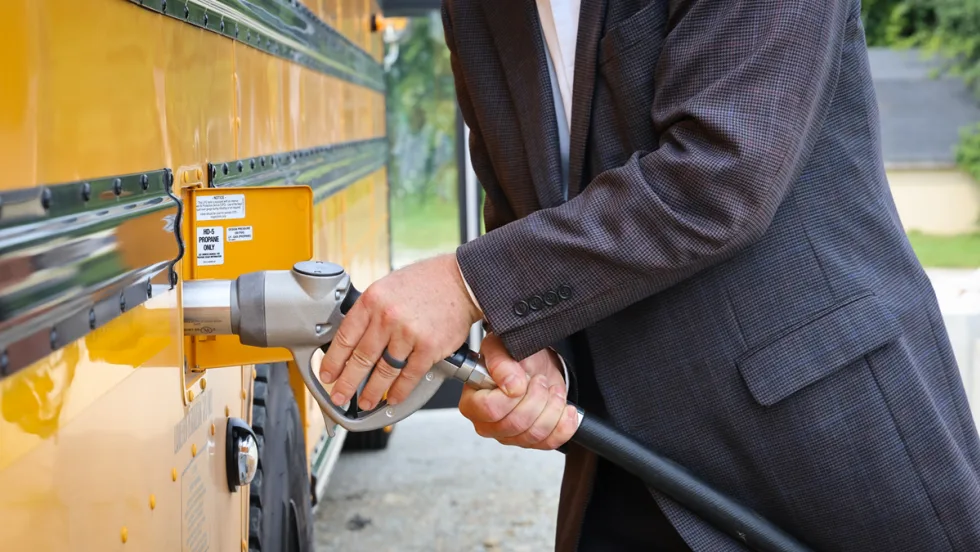
With Fuel Volatility Ahead, School Districts Turn to Propane
While diesel prices peaked above $5 this spring, districts with propane autogas-powered fleets paid under $2 per gallon, according to PERC.
Read More →
EPA Unveils Proposed Changes to 2027 Heavy-Duty Engine Rules
The federal agency has proposed changes to next year’s targets that would eliminate DEF derates, ease warranty requirements, and retain current NOx emissions standards.
Read More →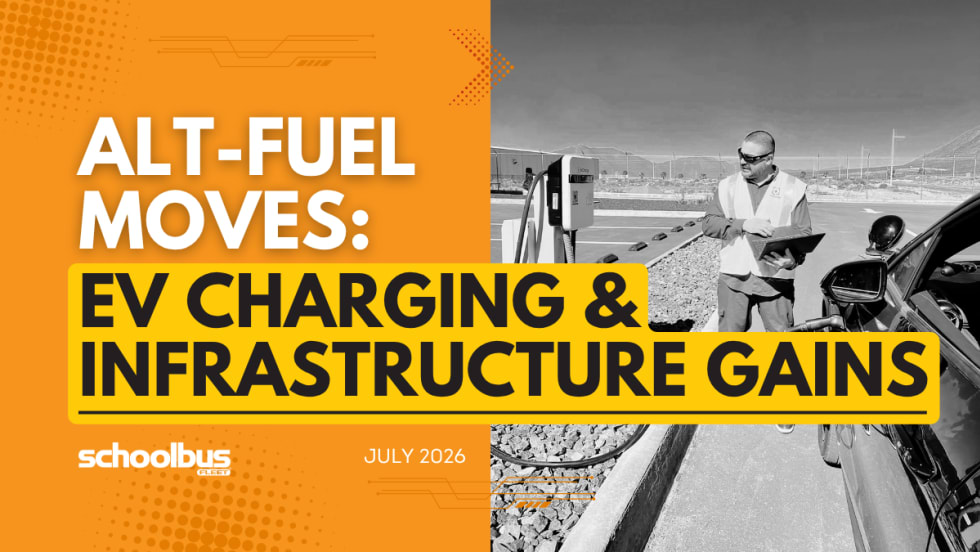
Alt-Fuel Moves: EV Charging & Infrastructure Projects Gain Momentum
The latest developments include new funding, charging infrastructure, utility investments, and fleet technologies designed to support the transition to electric school buses nationwide.
Read More →