




Adding Electronic Stability Control to School Buses Is a Step in the Right Direction
Electronic stability control still isn’t required on school buses in the U.S., so adding the safety technology is still a proactive move.

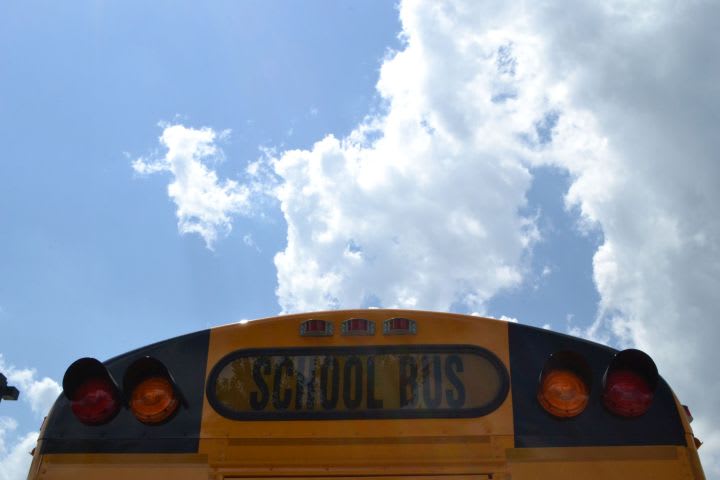
Electronic stability control still isn’t required on school buses in the U.S., so adding the safety technology is still a proactive move. File photo

Electronic stability control still isn’t required on school buses in the U.S., so adding the safety technology is still a proactive move. File photo
As electronic stability control (ESC) comes on board more passenger cars, trucks, and other vehicles on the road, the time is ripe to adopt this powerful safety technology in school buses.
ESC has been required on all new passenger vehicles under 10,000 pounds in the U.S. since 2012.
It’s even required on new school buses in Canada — but not in the U.S.
Now, even without a mandate in the U.S., ESC is becoming standard on many school buses, which is a step toward making pupil transportation even safer.
For those who aren’t yet familiar with the technology, ESC systems have sensors that monitor vehicle movement and steering. They can help mitigate rollover incidents by using automatic computer-controlled braking, and they can aid the driver in addressing severe under-steer or over-steer conditions that can lead to loss of control.
In 2015, the National Highway Traffic Safety Administration (NHTSA) issued a final rule to require ESC systems on heavy trucks and some large buses, such as motorcoaches, but the agency exempted school buses.
During the proposal phase of that rulemaking, some organizations — including the National Transportation Safety Board (NTSB) — called for an ESC mandate for all buses greater than 10,000 pounds, including school buses. But NHTSA found that ESC wasn’t cost-effective for school buses at the time of the rulemaking, and the agency cited federal data showing that most school bus crashes are not rollover or loss-of-control crashes that ESC systems are capable of preventing.
“For these reasons, we will not require school buses to be equipped with ESC at this time,” NHTSA said in the final rule, which was published in June 2015.
Fast forward to late 2016, and the backdrop had changed dramatically. By then, the large school bus OEMs had been offering ESC as an option for a year or more. On Nov. 8, 2016, at the National Association of State Directors of Pupil Transportation Services conference, a NHTSA official said the agency was taking another look at ESC for school buses, although he didn’t elaborate on any plans.
Then on Nov. 21, 2016, six students were killed and more than 30 were injured in Chattanooga, Tennessee, when their school bus went out of control, rolled onto its side, and slammed into a tree. Although we can’t say for sure how the outcome might have differed if the bus had been equipped with ESC, it was precisely the type of crash that the technology is designed to help avoid.
In May of this year, NTSB approved a special investigation report on the Chattanooga crash as well as the November 2016 fatal school bus crash in Baltimore, Maryland. In the report, NTSB reiterated its prior recommendation that NHTSA require stability control systems on all buses with a gross vehicle weight rating over 10,000 pounds.
Other research has validated the effectiveness of ESC. For example, a study released by the Insurance Institute for Highway Safety in 2004 found that, for cars and SUVs, ESC reduced fatal single-vehicle crash risk by about 56%.
A literature review published in the journal Traffic Injury Prevention in 2007 found that ESC reduces fatal single-vehicle crashes in cars by about 30% to 50% and in SUVs by 50% to 70%. Also, ESC decreases fatal rollover crashes by an estimated 70% to 90% regardless of vehicle type, according to the review.
Now, ESC is gaining traction in the school bus industry. IC Bus and Thomas Built Buses have made ESC standard on some of their school bus models. That’s a commendable step to enhance safety for the nation’s schoolchildren.
ESC still isn’t required on school buses in the U.S., so adding the safety technology is still a proactive move. The same goes for school bus operators that adopt lap-shoulder belts in states that haven’t mandated them.
After all, when it comes to safety equipment, it’s a good position to be in when you can say that you went beyond what the government requires.
More Safety

How to Build a Better School Bus Driver Training Program
Is it time to strengthen your driver training? Here’s how to pick the right talent and improve recruitment, retention, and safety. This video is brought to you by IC Bus.
Read More →
Recent School Bus Accidents Leave 2 Dead, 2 Injured
Four school bus crashes in Florida, Illinois, and Georgia highlight risks in transportation lots, at bus stops, and during student loading and unloading.
Read More →
When Every Second Matters, Clarity Keeps Routes Moving
From routine delays to urgent incidents, strong communication practices help drivers, dispatchers, schools, and families respond with confidence.
Read More →

What Happens When a School Bus Catches Fire — and What Can Help
School bus fires are rare but can be devastating. Learn how advances in fire suppression and asset protection help fleets detect fires earlier, reduce damage, and improve safety.
Read More →
Geotab Launches Tool to Help Fleets Investigate Road Incidents
Geotab Investigations combines telematics data, video, documents, and other evidence to help fleets reconstruct incidents, resolve claims, and determine what happened.
Read More →
Texas Sixth Grader Wins 2026 National School Bus Safety Poster Contest
Sai Darshana Yekolu of Moseley Middle School in Prosper, Texas, was named the newest winner for her artwork, bringing the theme of “Safe Rides, Everyday Heroes” to life.
Read More →
Doing More With Less: How Transportation Directors Can Prioritize Safety Amid Budget Uncertainty
With diesel prices soaring and nearly one-third of transportation directors expecting budget cuts, maintaining student safety has never been more challenging. Download this guide to learn how leading districts are prioritizing risk, funding critical safety technology, and building stronger budget cases with data.
Read More →
Walton County Schools Adds Gatekeeper Stop-Arm Enforcement System
The Florida district will deploy Gatekeeper’s updated Student Protector technology, which now incorporates AI to improve video evidence.
Read More →
How To Build a More Secure School Bus Yard During and After Hours
As thefts and overnight security threats continue, school transportation leaders are combining stronger operational practices with AI-enabled surveillance to better protect buses, facilities, and staff.
Read More →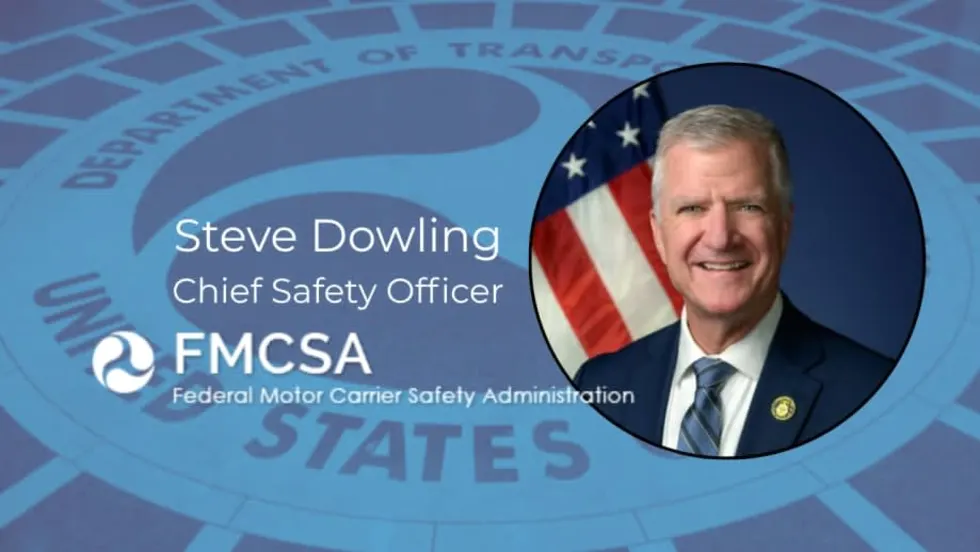
FMCSA Names New Chief Safety Officer: What School Bus Operators Should Know
Steve Dowling is set to lead the federal agency's efforts to advance commercial motor vehicle safety and reduce crashes, fatalities, and injuries on the nation's roadways.
Read More →