




NTSB Releases Full Report on Chattanooga and Baltimore School Bus Crashes
The 119-page document includes details on each crash, driver oversight issues, conclusions of the investigations, and the agency’s recommendations.

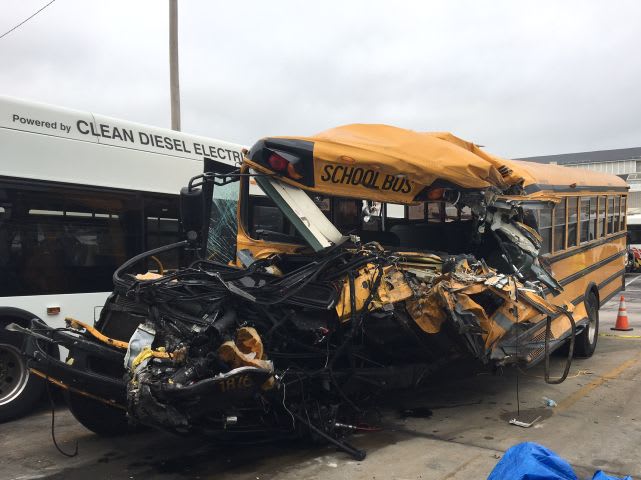
NTSB’s newly released report includes findings and recommendations on the 2016 fatal school bus crashes in Chattanooga, Tennessee, and Baltimore, Maryland. Seen here is the school bus from the Baltimore crash.

WASHINGTON, D.C. — The National Transportation Safety Board (NTSB) has issued its full report on two high-profile school bus crashes that occurred in November 2016.
The special investigation report — titled “Selective Issues in School Bus Transportation Safety: Crashes in Baltimore, Maryland, and Chattanooga, Tennessee” — was the subject of an NTSB meeting in May. Board members adopted probable cause statements and recommendations related to the two crashes, in which a total of 12 people were killed and 37 were injured.
On Friday, NTSB announced that the full report is now available. The 119-page document includes details on each crash, driver oversight issues, findings on school bus occupant protection and crash prevention technologies, conclusions of the investigations, and the agency’s recommendations.
In the executive summary of the report, NTSB draws a key parallel between the Chattanooga and Baltimore crashes.
“Although the specific safety issues differed, the crashes shared one common factor: poor driver oversight by both the school districts and the contracted motor carriers, which resulted in unsafe operation of the school buses,” the agency says in the report.
NTSB also notes that while “school buses are extremely safe,” more can be done to reduce the potential for future losses like those in Chattanooga and Baltimore.
“Improved oversight of school bus drivers and enhancements to school bus design — such as installation of passenger lap/shoulder belts, electronic stability control, and automatic emergency braking — could prevent or mitigate such crash outcomes.”
More Safety
NHTSA Releases 10-Year Review of Fatal School Bus Crashes
The latest federal analysis reinforces the safety of school buses while identifying where school-age pedestrians and other motorists remain most at risk.
Read More →
2026 NASDPTS Survey: Data Shows Further Reduction of Illegal Passing
New data is in! School bus stop-arm passings are down to 38.4 million violations per year, about a 2.3% decrease from last school year — but passings on the right side of the bus are higher than ever.
Read More →
Another School Bus Fatality Reported in Monsey, New York
A 7-year-old girl died after being struck by a school bus in Rockland County, New York while crossing the street. Here's what we know.
Read More →
NSTA Announces 2026 School Bus Driver International Safety Competition Winners
Drivers from across the U.S. and Canada showcased their safety and driving skills, with two defending champions successfully retaining their titles.
Read More →
The Driver Shortage Playbook
Driver shortages are still a major challenge for student transportation fleets, but the real issue has shifted. It’s no longer just about filling seats quickly. It’s about finding safe, reliable drivers who meet performance expectations and want to stay. The Driver Shortage Playbook covers why traditional recruitment tactics are falling short and how school fleets are adapting with smarter hiring, stronger retention strategies and a greater focus on driver quality.
Read More →
Pro-Vision Launches AI-Powered 360° Camera System
The new Birdseye camera delivers real-time AI-based pedestrian and vehicle detections, full visibility around the bus, and telematics integrations.
Read More →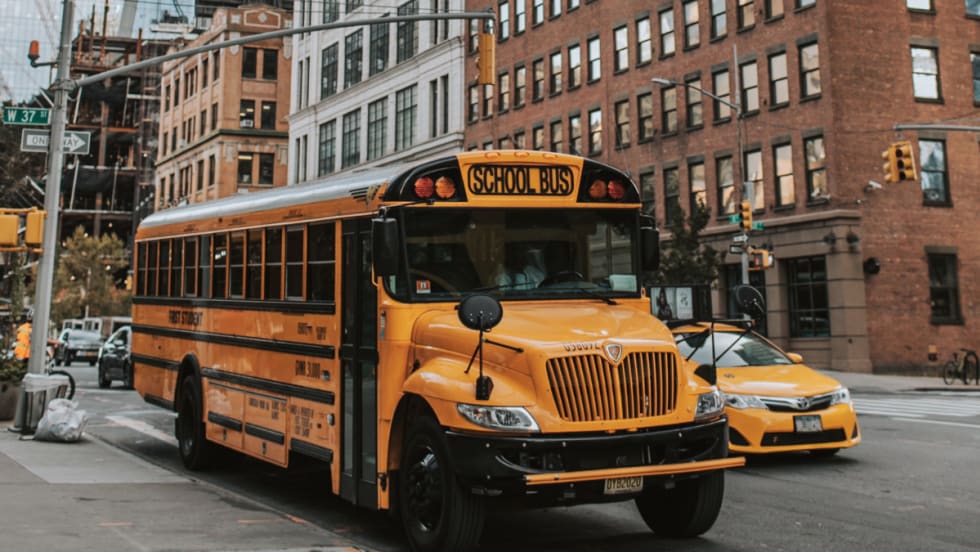
N.Y. & N.J. Coalitions Call for Modernized Transportation for Vulnerable Students
New statewide coalitions in New York and New Jersey are urging lawmakers to expand student transportation options for vulnerable students amid ongoing driver shortages.
Read More →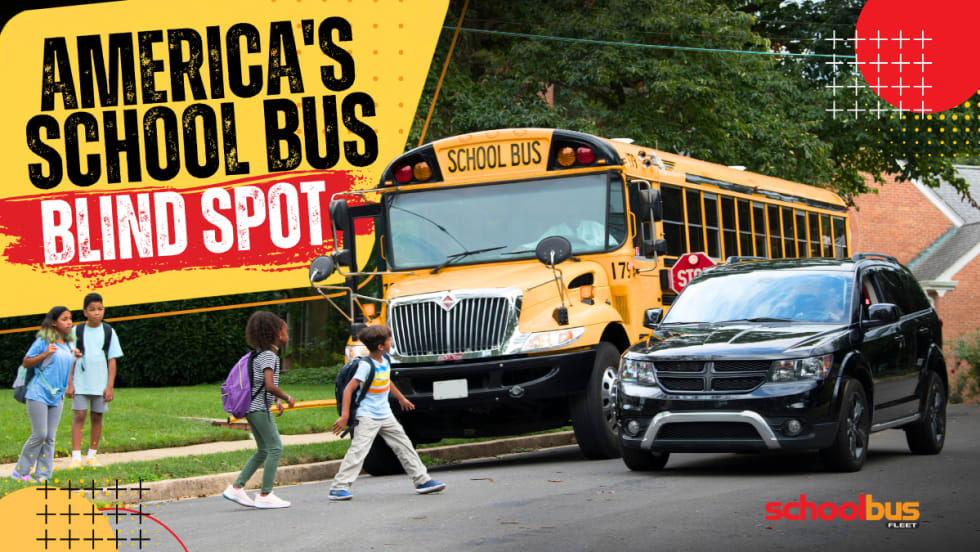
America Has a School Bus Passing Problem — and Distraction Is Making It Worse
Illegal school bus passing remains a major safety threat as distracted driving rises. This op-ed explores why awareness, enforcement, and stop-arm cameras matter more than ever.
Read More →
School Bus Laws to Watch: New York Delays EV Mandate
Plus, federal lawmakers seek new funding for school bus safety as states weigh stop-arm enforcement, disability protections, and education spending.
Read More →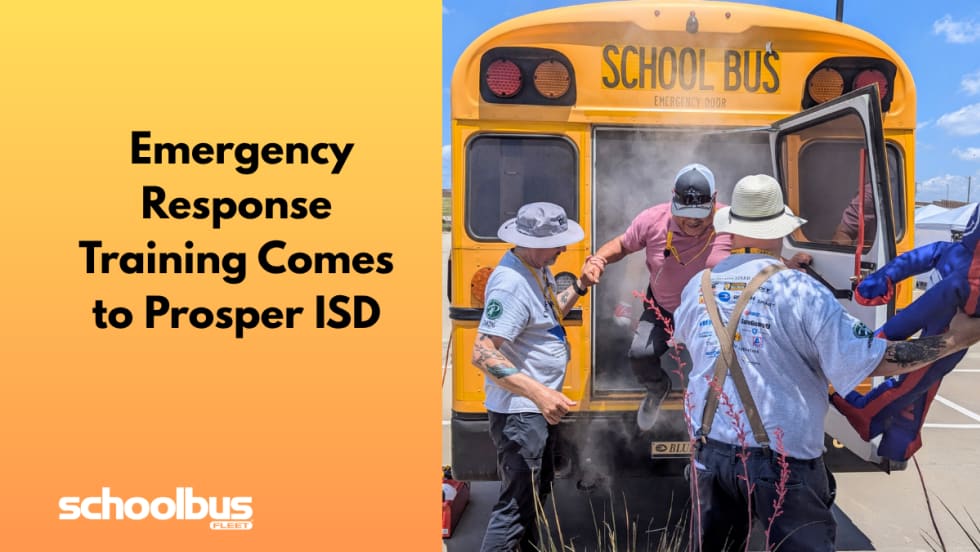
Operation STEER Brings Emergency Response Training to North Texas
Prosper ISD hosted the third annual training for transportation professionals across 67 districts to learn how to respond to emergencies, such as rollovers and evacuations, and proper use of safety equipment.
Read More →