




5 Questions: John Gonzales on Benefits of Alt-Fuels, Impact of VW Funding
John Gonzales, a senior engineer for NREL, discusses alt-fuel trends, funding from the Volkswagen settlements, and the potential of electric school buses.


John Gonzales, a senior engineer with the National Renewable Energy Laboratory, says that all-electric vehicles offer significant potential for districts to improve their environmental and operational footprints.

John Gonzales, a senior engineer with the National Renewable Energy Laboratory, says that all-electric vehicles offer significant potential for districts to improve their environmental and operational footprints.
For school districts looking for guidance in the realm of alternative fuels, the National Renewable Energy Laboratory (NREL) serves as a key resource. Beyond conducting research and development, the Colorado-based federal lab offers consulting on fuel-related decisions for school bus fleets and facilities. Here, John Gonzales, a senior engineer in vehicle technology integration for NREL, discusses alt-fuel trends, the forthcoming funding from the Volkswagen (VW) settlements, and the potential of electric school buses.
1. What are you seeing in the school bus market when it comes to alternative fuels?
The market for alternative fuels continues to grow within the school bus industry, largely because of operational cost benefits and air quality benefits for students. In certain niche markets, compressed natural gas buses remain a preferred option. However, the greatest growth we have seen of late is in more and more school districts turning to propane as their alternative fuel of choice.
2. How do you expect the VW mitigation funding to impact the school bus industry?
The VW mitigation funding is an ideal opportunity for many school districts to either purchase additional alternative-fueled school buses or enter into this market for the first time. Many school districts have expressed that if only there were funding available, then they would consider purchasing alternative-fueled school buses. This new opportunity is the perfect chance for districts that have been interested in alternative-fueled school buses to put them to the test. Additionally, facing restricted budgets has prevented districts that are in the habit of purchasing alternative-fueled buses from renewing their stock. This funding boost allows them to cover these incremental costs. Furthermore, we are seeing a rise in districts considering all-electric buses for the first time. On the whole, this new source of funding is enhancing all areas of alternative-fueled school bus transportation.
3. In a School Bus eXchange roundtable last year, you talked about looking at total cost of ownership as a measuring stick. Can you tell us more about what fleet managers should be considering?
In the past, many school districts focused on the price of fuel as the primary determining factor for purchasing buses. Until the late ’80s, gasoline was the primary fuel source for school buses. This changed as diesel vehicles began to provide greater efficiency than their gasoline counterparts. However, controlling NOx [nitrogen oxides] and particulate emissions from diesel school buses is a complex challenge that has brought forth new and higher maintenance requirements. While these costs have gone up for diesel vehicles, maintenance costs for modern alternative-fueled school buses have continued to decrease. In many cases, the total cost of ownership for alternative-fuel vehicles is less than their diesel counterparts.
4. What’s happening at NREL that might be of interest to people in the school bus industry?
NREL is continuing to help fleets make smart choices when implementing new buses, making the transition as seamless and productive as possible. We provide tools and consulting that help districts make informed purchase decisions. These range from how to acquire the fueling station to what is needed for a shop to work on these vehicles safely. We also provide unbiased guidance to assist fleet managers with purchasing decisions. Our goal is to help districts determine the best fuels and vehicles for the long-term economic and physical health of not only their school bus fleet, but also the students and community members impacted by the buses.
5. Are there any emerging alternative fuels that you think could be a good fit for school transportation in the not-too-distant future?
As we had previously discussed, the VW settlement funds are driving many school districts to consider all-electric school buses for the first time. Understanding how your buses are used is critical to ensuring electric school buses — or any alternative-fueled school bus — will be economical and effective. Districts looking to improve their environmental and operational footprints are drawn to the significant potential of all-electric vehicles in those arenas.
More Alternative Fuels

CALSTART and Forth Combine to Form Catalyst Mobility
The new name represents a renewed vision for the nonprofit focused on advancing clean, equitable, and affordable transportation solutions that move people and goods.
Read More →
Alt-Fuel Moves: New Buses, Charging Hubs & Real-World EV Testing
Propane and electric school bus deployments continue to grow as districts add new vehicles, expand charging infrastructure, and gather more real-world operating data.
Read More →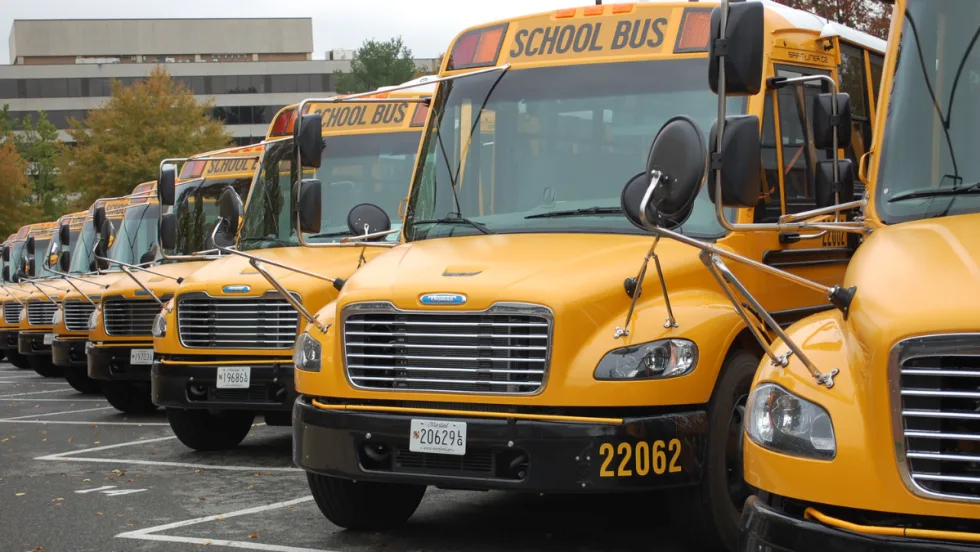
Fewer Electric School Bus Models Reshape the U.S. Market
WRI’s latest buyer’s guide points to a consolidating electric school bus market, but fewer options may reflect a maturing industry rather than fewer meaningful choices for school bus operators.
Read More →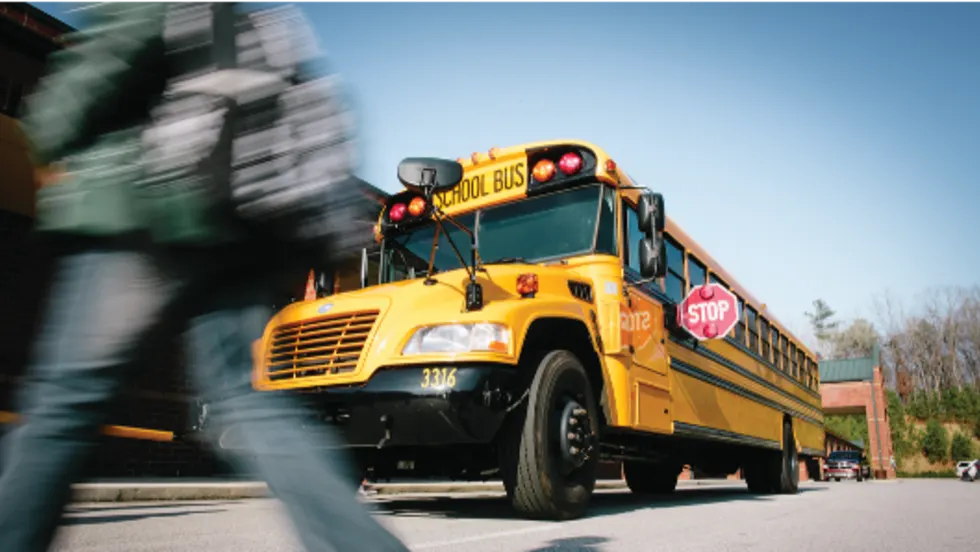
The Fuel Budget You Can Actually Predict: How Propane Autogas Keeps Money in the Classroom
Learn how propane autogas helps school districts manage fuel costs with predictable pricing, lower maintenance, and reduced emissions from former transportation director Joel Stutheit.
Read More →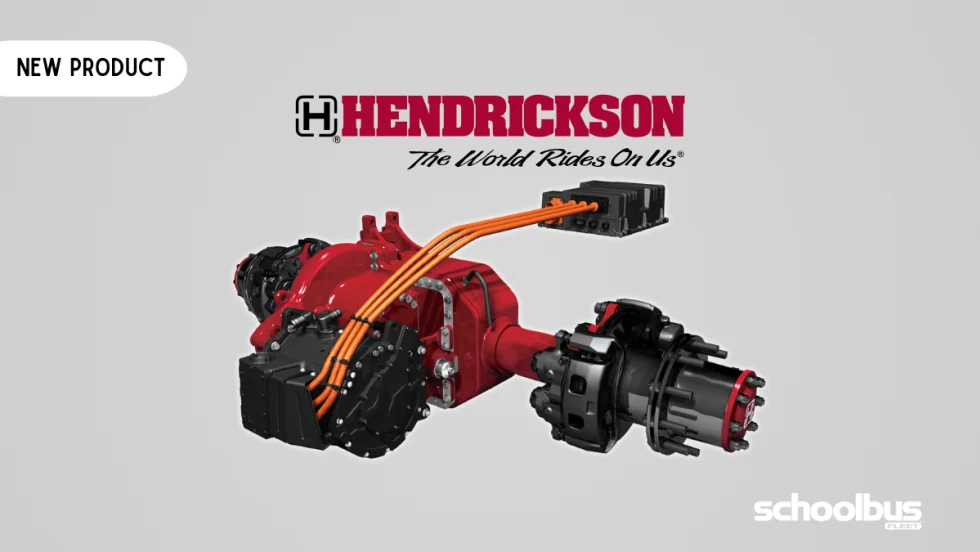
Hendrickson, Driventic Introduce New Electric Powertrain for School Buses
ELECTRAAX, the electrified, lightweight drive axle offers integrated ePowertrain efficiency and modular flexibility for Class 6–7 school bus use.
Read More →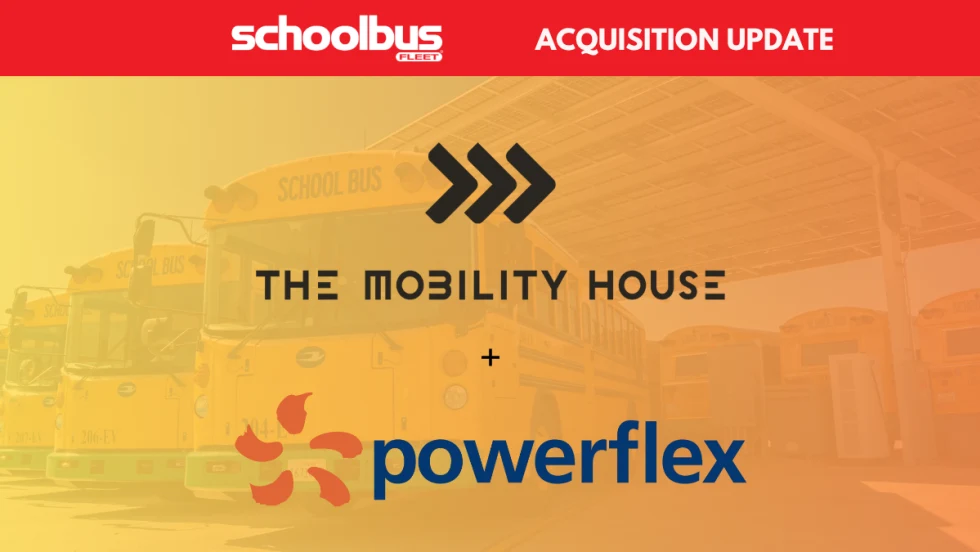
The Mobility House Joins PowerFlex in Fleet Electrification Deal
The acquisition combines intelligent charging software, bidirectional charging expertise, and fleet electrification services to support the growing adoption of electric school buses across North America.
Read More →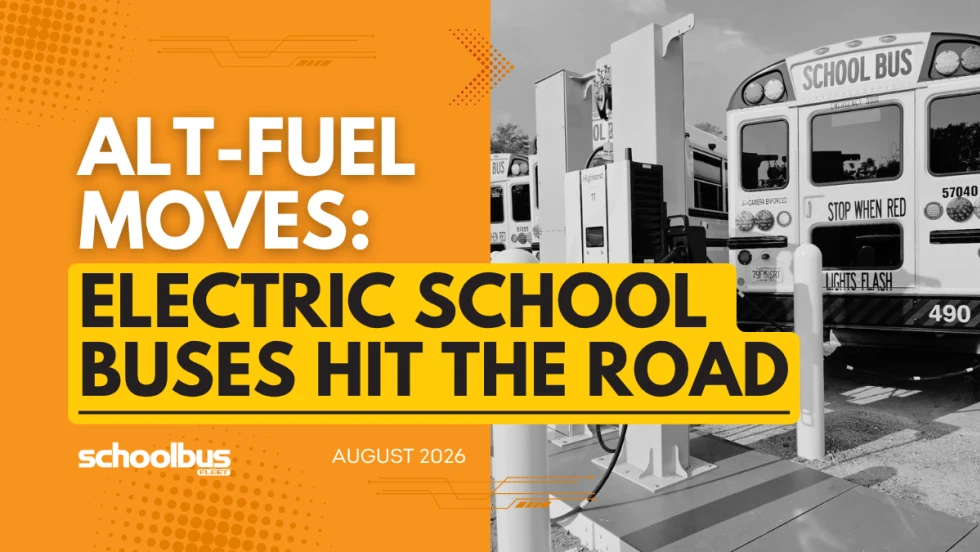
Alt-Fuel Moves: Electric School Bus Investments Hit the Road
See which districts across the U.S. are putting electric school buses into service, expanding charging infrastructure, and planning the next phase of fleet electrification.
Read More →
With Fuel Volatility Ahead, School Districts Turn to Propane
While diesel prices peaked above $5 this spring, districts with propane autogas-powered fleets paid under $2 per gallon, according to PERC.
Read More →
EPA Unveils Proposed Changes to 2027 Heavy-Duty Engine Rules
The federal agency has proposed changes to next year’s targets that would eliminate DEF derates, ease warranty requirements, and retain current NOx emissions standards.
Read More →
Alt-Fuel Moves: EV Charging & Infrastructure Projects Gain Momentum
The latest developments include new funding, charging infrastructure, utility investments, and fleet technologies designed to support the transition to electric school buses nationwide.
Read More →