




4 Top Tech Innovations for School Transportation
The CEO of a data analytics solutions provider highlights the top innovations that may have a long-lasting impact on school transportation.

Many vendors at the 2017 National Association for Pupil Transportation trade show had new technology to showcase, ranging from routing to telematics to maintenance to safety.

Many vendors at the 2017 National Association for Pupil Transportation trade show had new technology to showcase, ranging from routing to telematics to maintenance to safety.
As I look back, 2017 was one of the most technology-focused years for the school bus industry.
The year was kick-started by the Next Stop Innovation Summit, held for the first time by IC Bus in February 2017. This event saw significant participation from key operators, school district officials, vendors, and manufacturers.
I also attended the STN Expo and the National Association for Pupil Transportation conference in 2017. In both events, many vendors had new technology to showcase, ranging from routing to telematics to maintenance to safety.
Here, I’ll highlight the top four innovations that may have a long-lasting impact on our industry.
1. Electric School Buses
There has been a huge focus on alternative-fuel technology in school buses to reduce carbon emissions. So far, the alt-fuel market has been dominated by propane technology and, to a lesser extent, compressed natural gas (CNG) and gasoline. But in the last year, there have been significant innovations in electric school buses.
Even though electric buses offer great benefits, there are some hurdles to be crossed, including higher purchase prices, limited miles on a single charge, battery replacement costs, and availability of support infrastructure.
However, my take is that electric buses are going to see a lot more adoption for two reasons: First, there is a great deal of innovation happening in electric vehicle technology overall. Second, electric technology is a first step toward autonomous vehicles.
Once there is an uptick in volume, some of the disadvantages of electric buses will be mitigated. Therefore, it is not a question of “if” but “when.”
2. Driver Tablets
Late buses and missed stops are key challenges at the start of the school year and beyond — particularly with substitute drivers who are unfamiliar with their routes. Also, driver distraction is a major cause of crashes.
Finally, there is an answer to these issues. New tablets for school bus drivers provide turn-by-turn directions, student ridership management, and two-way communications capability for route changes. They also facilitate pre-trip inspections, help manage driver payroll, and offer many more features.
This technology helps school districts proactively improve efficiency and enhance the safety of children and employees.
Times are changing all around us — in transportation and in other areas. We can either adapt and innovate or be forced to change by disruptive technologies.
3. Predictive Maintenance
To get children to school on time and safely, a safe and reliable vehicle is a must. If the bus does not start in the morning or breaks down on the road, it’s too late. The reliability of the vehicle can only be guaranteed if the issue is fixed before it becomes an issue.
The fault codes, or symptoms of possible issues in the vehicle, have been available for many years now, since the use of GPS became a norm. But the real issue has always been the delay in interpreting these codes to provide meaningful and actionable information to maintenance staff.
Technology like Navistar’s OnCommand Connection addresses this problem. With the use of complex algorithms, this platform provides vehicle diagnostics on a near real-time basis and integrates it with fleet maintenance systems to automatically create work orders.
This innovation enables school bus operations to fix vehicle issues proactively and reduce their overall maintenance costs.

GP Singh is CEO and founder of ByteCurve LLC, which provides data analytics solutions for transportation.
4. Uber for Kids
With the downturn in the economy a few years back, many school districts increased their walk zones to schools. This was done to reduce transportation costs. In addition, 25% of all schools in the U.S. are private schools, most of which do not provide school bus transportation.
Both of these factors create challenges for parents to arrange for transportation for their kids. I always wondered when the Uber concept would be leveraged to solve this issue for parents. Now, I think it’s coming in a big way with the recent investment by Student Transportation Inc. in rideshare provider HopSkipDrive [see January 2018 issue, pg. 16].
There will be initial skepticism about the reliability of the drivers and the safety of the vehicles, but once rigorous checks and training programs are implemented, it’s just a matter of time before this concept will be widely used.
In fact, I see this innovation going one step further, with school districts using rideshare services to cut costs by slowly replacing thin-capacity routes.
It’s great to finally see significant innovation happening in the school bus industry. Times are changing all around us — in transportation and in other areas. We can either adapt and innovate or be forced to change by disruptive technologies.
More Management

Changing Lanes: BusWhere, EverDriven, InterMotive, Summit School Services, Switzer-Carty & Thomas Built Buses
Check out who's been hired, promoted, and appointed to leadership positions at various school transportation suppliers, contractors, and manufacturers.
Read More →
The Most Expensive Thing You Do Before Selling a School Bus: Wait
When should you sell an aging school bus? Learn how maintenance, mileage, corrosion, specifications, and timing can affect resale value long before the auction.
Read More →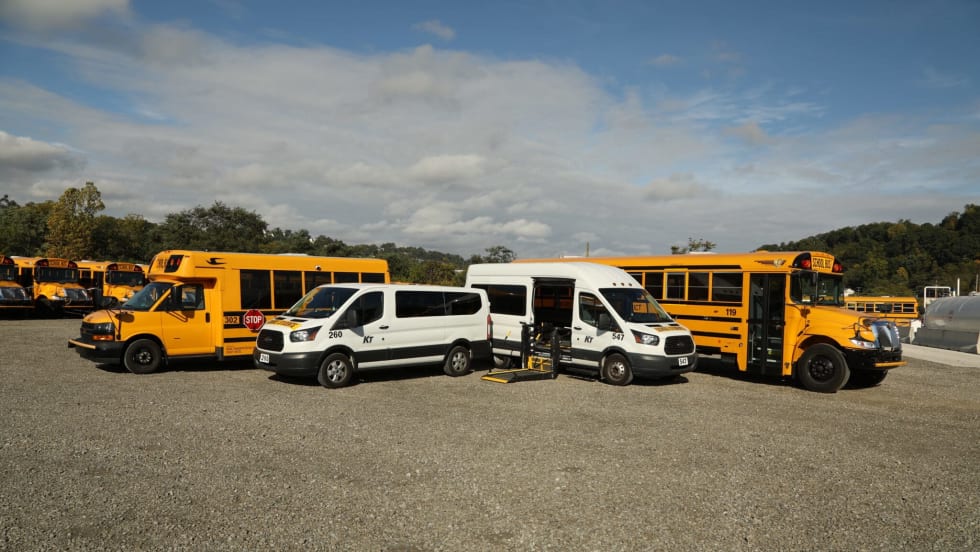
American Student Transportation Partners Acquires AJ Myers and Sons
A new deal brings a 75-year Pennsylvania student transportation provider into one of the nation’s largest private school bus contracting groups.
Read More →
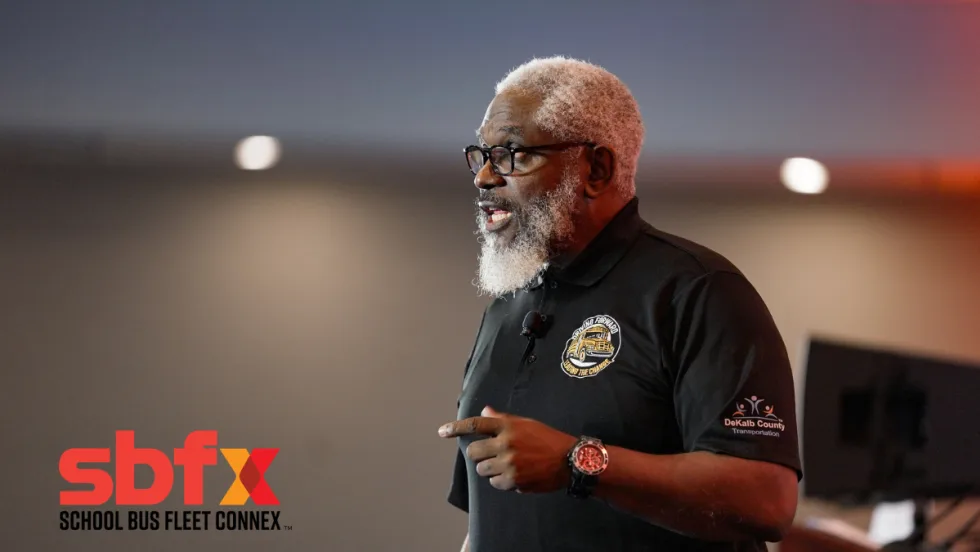
What I Brought Home From SBFX: Relationships, Leadership, and Preparing What's Next
Who could lead your transportation operation tomorrow if you couldn't? Bernando Brown explores succession planning, mentorship, and preparing emerging leaders to step up.
Read More →
Inside School Bus Fleet ConneX 2026: Industry Leaders Connect in Scottsdale [Photos]
See highlights from SBFX 2026 in Arizona, where school bus operators and suppliers gathered for meetings, education, networking, awards, and more.
Read More →
School Transportation’s Biggest Pressures and Opportunities: SBFX Attendees Weigh In
School bus operators point to rising costs, staffing, and vehicle prices as immediate pressures while identifying technology, training, and routing as opportunities for growth.
Read More →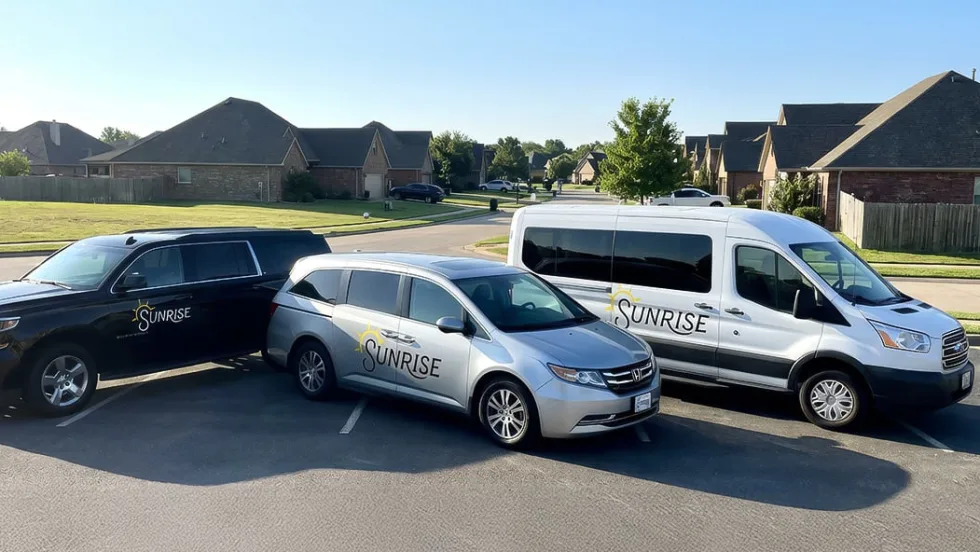
STA Acquires Sunrise Transportation
Student Transportation of America expands in Illinois and Connecticut through Sunrise's fleet of nearly 1,000 vehicles.
Read More →
EPA Opens $180M DERA Funding Round for Diesel Upgrades
The 2026 Diesel Emissions Reduction Act program seeks applications from eligible organizations to accelerate the retirement of legacy diesel vehicles.
Read More →
HopSkipDrive’s CareEngine Targets the ‘Exceptions’ in Student Transportation
The new platform works alongside districts’ existing transportation management systems to coordinate specialized rides, automate last-minute changes, and turn ride data into operational improvements.
Read More →
The Right Ride for Every Student: Navigating the New Student Transportation Ecosystem
How should districts blend school buses with small-vehicle transportation and other options? EverDriven CEO Mitch Bowling discusses safety, costs, partnerships, and strategy.
Read More →