




NSTA Advocacy in Action — Why the decision to equip large school buses with seat belts should be a local one
The cost of three-point belts would have to come from somewhere within a local budget. We are concerned that if mandated and unfunded, that additional cost could force some districts to make choices that may not be in the best interests of safety.
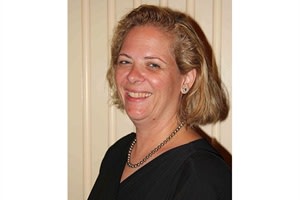
Ronna Weber is executive director of the National School Transportation Association.
The National School Transportation Association (NSTA) was pleased to be invited to and participate in the National Highway Traffic Safety Administration’s (NHTSA) July 23 discussion on school bus occupant protection.
We all know the debate on whether or not to require three-point seat belts on school buses has been ongoing for some time. Regardless of what each of us believes, we all have one thing in common: our commitment to providing the highest level of safety for the children our industry transports every day.
Nationwide, yellow school buses transport 26 million students every school day, providing more than 9 billion student rides every year, with an average student occupant fatality rate of four students per year during school travel hours, and an injury rate of less than 0.01% annually.
The average number of student fatalities among students who travel to school by any means other than a school bus is 580 annually. School buses are the safest form of transportation available today, with children being 23 times safer on a school bus than being driven by a parent in the family car and 58 times safer than riding with a teen driver.
In the industry, we know that school buses comply with 36 Federal Motor Vehicle Safety Standards (FMVSSs) in addition to other design factors that have evolved over the years with one purpose in mind: passenger safety. If you only examine the most severe and rare collision types, three-point seat belts appear to provide additional protection as long as they are being used and worn properly.
The real question, however, is who should make the decision to put three-point seat belts on school buses, and would the money spent on those three-point seat belts be the best use of the limited resources available to improve safety for the greatest number of students?
NSTA agrees fully with the statement offered by NHTSA in its 2011 petition of denial to the Center for Auto Safety: “We believe it is most appropriate if the decision to order seat belts on large school buses were left to the states and local jurisdictions rather than to NHTSA. States and local school districts are better able to recognize and analyze school transportation risks particular to their areas and identify approaches to best manage and reduce those safety risks. Local officials are in the best position to decide whether to purchase seat belts, since the officials must weigh a multitude of unique considerations bearing on purchasing decisions, especially when faced with budgetary constraints.”
Three-point seat belts would only be added to a school bus at a cost, and that additional cost would have to come from somewhere within a local budget. We are concerned that if mandated and unfunded, that additional cost could force some districts to make choices that may not be in the best interests of safety, which could result in an increase of 10 to 19 school transportation fatalities annually, according to NHTSA.
NSTA also recognizes that a review of occupant protection would not be complete if concerns on emergency evacuation were not addressed. In our comments to NHTSA on July 23, we urged them to consider situations including driver incapacitation and bus rollover with a focus on the youngest passengers and those with disabilities.
The overall greatest effect on safety, however, could be to focus precious resources and attention on the fatality rate in the danger zone area around the bus. As noted in the 2010 summary report of the Alabama School Bus Seat Belt Pilot Project, “Most school bus pupil fatalities occur outside buses in or near loading zones. If funding is to be spent on school bus safety, it appears more lives could be saved by investing in enhanced safety measures in loading/unloading zones. These treatments are likely more cost-effective than seat belts.”
On July 23, we encouraged NHTSA to consider all options for enhancing school bus passenger safety — including focusing on the danger zone area — before deciding on one option in particular.
We expect NHTSA to release information this fall indicating their intentions on this issue. We look forward to continuing to be part of the conversation.
More Safety
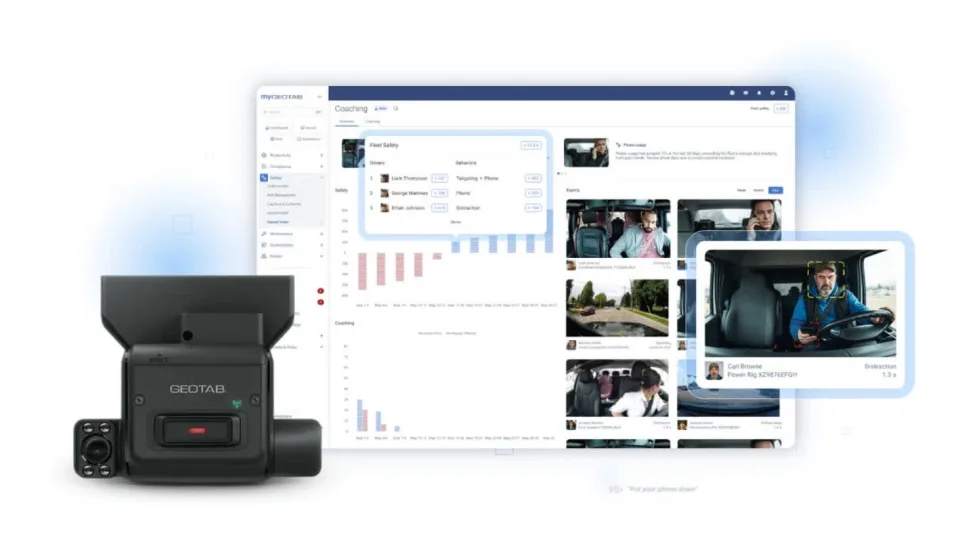
Geotab Expands Fleet Safety Tools With Video Coaching, Risk Insights
New safety and video capabilities aim to help fleet managers assess risk, support drivers, and take targeted action through video coaching, red-light violation detection, and more.
Read More →
How to Build a Better School Bus Driver Training Program
Is it time to strengthen your driver training? Here’s how to pick the right talent and improve recruitment, retention, and safety. This video is brought to you by IC Bus.
Read More →
Recent School Bus Accidents Leave 2 Dead, 2 Injured
Four school bus crashes in Florida, Illinois, and Georgia highlight risks in transportation lots, at bus stops, and during student loading and unloading.
Read More →

When Every Second Matters, Clarity Keeps Routes Moving
From routine delays to urgent incidents, strong communication practices help drivers, dispatchers, schools, and families respond with confidence.
Read More →
What Happens When a School Bus Catches Fire — and What Can Help
School bus fires are rare but can be devastating. Learn how advances in fire suppression and asset protection help fleets detect fires earlier, reduce damage, and improve safety.
Read More →
Geotab Launches Tool to Help Fleets Investigate Road Incidents
Geotab Investigations combines telematics data, video, documents, and other evidence to help fleets reconstruct incidents, resolve claims, and determine what happened.
Read More →
Texas Sixth Grader Wins 2026 National School Bus Safety Poster Contest
Sai Darshana Yekolu of Moseley Middle School in Prosper, Texas, was named the newest winner for her artwork, bringing the theme of “Safe Rides, Everyday Heroes” to life.
Read More →
Doing More With Less: How Transportation Directors Can Prioritize Safety Amid Budget Uncertainty
With diesel prices soaring and nearly one-third of transportation directors expecting budget cuts, maintaining student safety has never been more challenging. Download this guide to learn how leading districts are prioritizing risk, funding critical safety technology, and building stronger budget cases with data.
Read More →
Walton County Schools Adds Gatekeeper Stop-Arm Enforcement System
The Florida district will deploy Gatekeeper’s updated Student Protector technology, which now incorporates AI to improve video evidence.
Read More →
How To Build a More Secure School Bus Yard During and After Hours
As thefts and overnight security threats continue, school transportation leaders are combining stronger operational practices with AI-enabled surveillance to better protect buses, facilities, and staff.
Read More →