





A Quick Guide to School Bus Alternative Fuels:Key Terms for Going Green
CARB Reveals Clean Transportation Drove California’s Emissions Drop in 2023
The latest data shows California’s climate programs continue to push greenhouse gas (GHG) emissions down while the state’s economy grows.
November 13, 2025
The statewide CARB inventory relies on data from the Mandatory Reporting Regulation, which counts emissions and reductions from about 80% of California’s sources of human-caused climate emissions.
Photo: School Bus Fleet
3 min to read
The latest edition of California's greenhouse gas emissions inventory shows a 3% drop in statewide emissions — the third-largest annual percentage decrease since the pandemic. The decrease is equivalent to removing more than 2.6 million gasoline-powered cars from California’s roads for one year.
“Today’s milestone once again confirms that bold climate action can deliver real results,” said California Air Resources Board (CARB) Chair Lauren Sanchez. “California’s climate pollution is falling even as our economy grows — a powerful testament to the strength of our programs, innovation in clean technology, and the commitment of communities across the state. We’re not just investing in a healthier future, we’re actively building it."
According to a release, the drop was primarily driven by reductions from the transportation sector, specifically a dramatic 17% decline from heavy-duty trucks, due to the increased use of biofuels resulting from the state’s Low Carbon Fuel Standard (LCFS). Renewable diesel and biodiesel accounted for 56% of the diesel used on-road in 2023.
This drop occurred despite a 1% increase in vehicle miles travelled. Emissions from the state’s heavy-duty diesel vehicles also declined.
Source: CARB
Steady Emissions Decline Amid Economic Growth
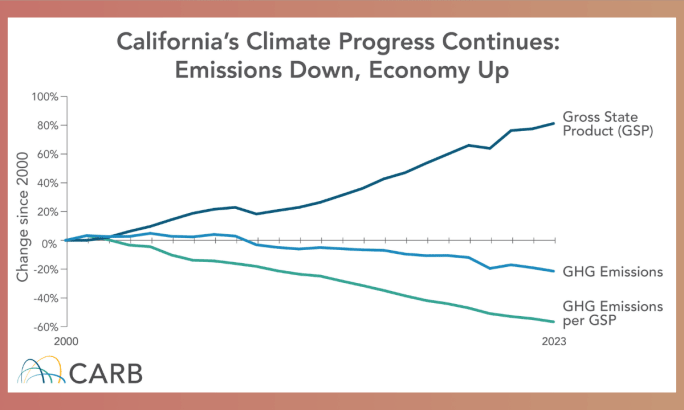
The latest data underscores a continued trend of steady emissions decline even as the economy continues to grow. From 2000 to 2023, GHG emissions decreased by 21%, while California’s gross state product increased by 81%, indicating the effectiveness of the state’s climate change and air quality programs.
“The latest data show that science-driven policy and innovation are moving California closer to our climate goals,” said California Environmental Protection Secretary Yana Garcia. “Emissions are down; cleaner trucks are on the road, and communities are breathing healthier air. Access to reliable data isn't just the foundation of progress. It’s how we hold ourselves accountable and make smart choices for the future. As the Trump Administration moves to weaken national emissions reporting, California will continue to lead with transparency, integrity, and results.”
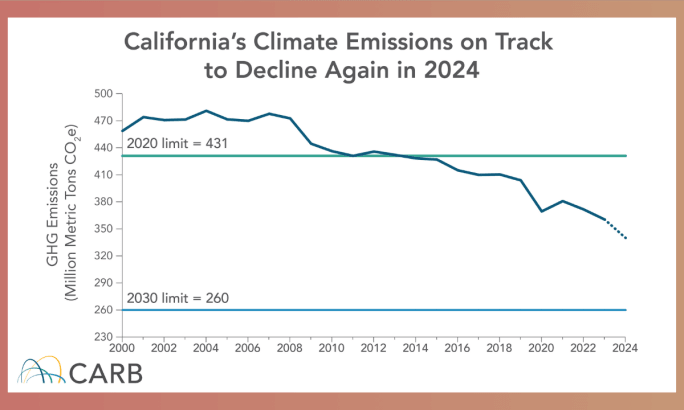
An early estimate of 2024 data, based primarily on reported and third-party-verified data for the state's largest emitters, indicates that the downward trend will continue. The 2024 inventory data is not yet final and will not be released until 2026, once all data sources have been updated and incorporated.
The 2024 inventory data is not yet final and will not be released until 2026, once all data sources have been updated and incorporated.
Source: CARB
Highlights from the report include:
Emissions from cars and light-duty pickup trucks dropped to their lowest levels on record — excluding the 2020 anomaly, which was attributed to the COVID-19 pandemic — as fossil fuel use continued to decline.
This drop occurred despite a 1% increase in vehicle miles travelled. Emissions from the state’s heavy-duty diesel vehicles also declined.
California has decreased the carbon intensity of its economy by 57% since 2000.
The electricity sector had its lowest carbon intensity since 2000. Wind and solar represent over 30% of generation, and in-state solar increased by 8% from 2022, driven by requirements under the state’s Cap-and-Invest Program, also known as Cap-and-Trade and the Renewables Portfolio Standard.
Industrial sector emissions declined by 5% due to reductions from refineries, oil and gas extraction, cement manufacturing, cogeneration facilities, and other sources of fossil fuel use.
Livestock emissions, which are responsible for 71% of agriculture’s greenhouse gas emissions, peaked in 2012 and continued to decline in 2023. The decrease is driven by the use of methane digesters at dairies, which are funded by Cap-and-Invest auction money and incentivized by the Low Carbon Fuel Standard.
The residential and commercial sectors experienced “a rise in emissions, largely due to an increase in residential fossil gas use, which was likely a result of the colder winter in 2023.”
About the Inventory
The statewide inventory relies on data from the Mandatory Reporting Regulation, which counts emissions and reductions from about 80% of California’s sources of human-caused climate emissions. It uses data from other state and local agencies to round out that picture.
The announced plans to end federal monitoring of greenhouse gases will not affect California’s inventory.
More Alternative Fuels

CALSTART and Forth Combine to Form Catalyst Mobility
The new name represents a renewed vision for the nonprofit focused on advancing clean, equitable, and affordable transportation solutions that move people and goods.
Read More →
Alt-Fuel Moves: New Buses, Charging Hubs & Real-World EV Testing
Propane and electric school bus deployments continue to grow as districts add new vehicles, expand charging infrastructure, and gather more real-world operating data.
Read More →
Fewer Electric School Bus Models Reshape the U.S. Market
WRI’s latest buyer’s guide points to a consolidating electric school bus market, but fewer options may reflect a maturing industry rather than fewer meaningful choices for school bus operators.
Read More →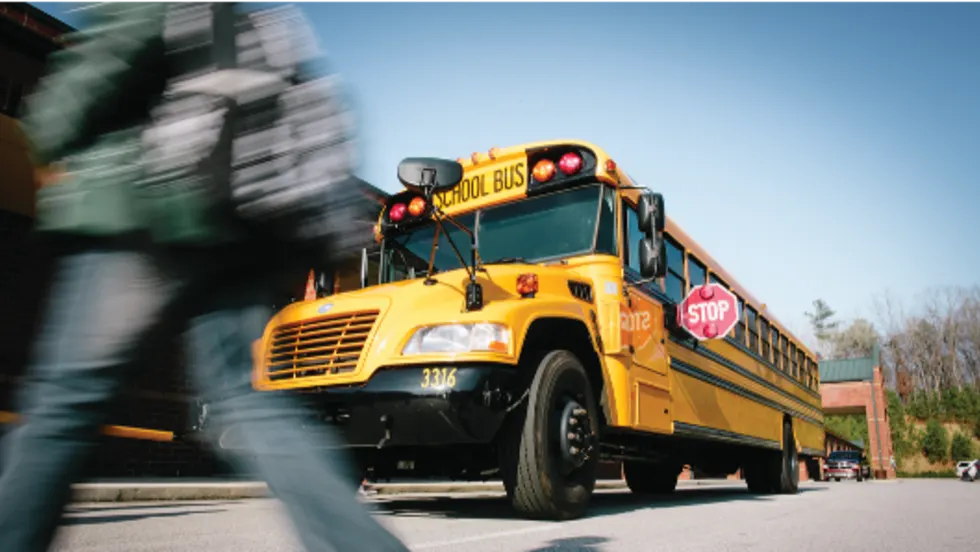
The Fuel Budget You Can Actually Predict: How Propane Autogas Keeps Money in the Classroom
Learn how propane autogas helps school districts manage fuel costs with predictable pricing, lower maintenance, and reduced emissions from former transportation director Joel Stutheit.
Read More →
Hendrickson, Driventic Introduce New Electric Powertrain for School Buses
ELECTRAAX, the electrified, lightweight drive axle offers integrated ePowertrain efficiency and modular flexibility for Class 6–7 school bus use.
Read More →
The Mobility House Joins PowerFlex in Fleet Electrification Deal
The acquisition combines intelligent charging software, bidirectional charging expertise, and fleet electrification services to support the growing adoption of electric school buses across North America.
Read More →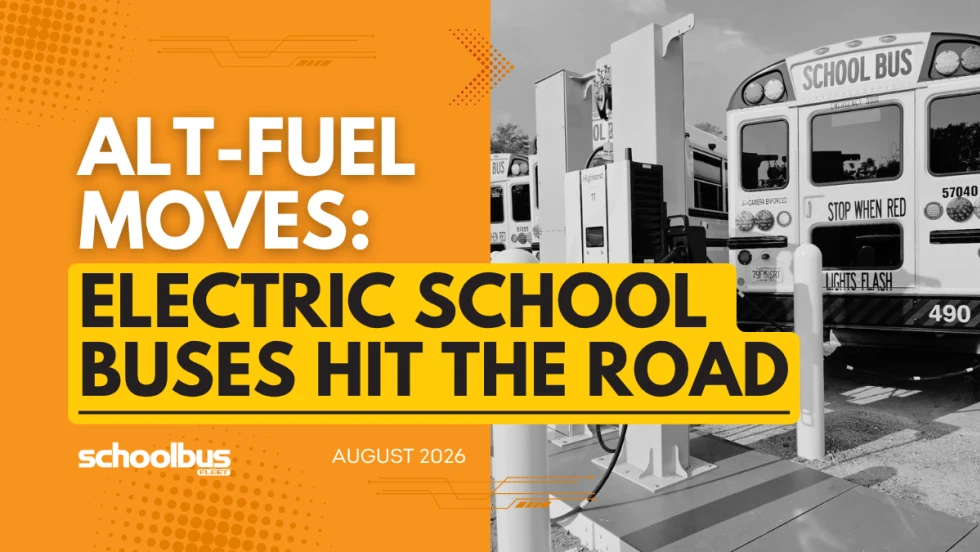
Alt-Fuel Moves: Electric School Bus Investments Hit the Road
See which districts across the U.S. are putting electric school buses into service, expanding charging infrastructure, and planning the next phase of fleet electrification.
Read More →
With Fuel Volatility Ahead, School Districts Turn to Propane
While diesel prices peaked above $5 this spring, districts with propane autogas-powered fleets paid under $2 per gallon, according to PERC.
Read More →
EPA Unveils Proposed Changes to 2027 Heavy-Duty Engine Rules
The federal agency has proposed changes to next year’s targets that would eliminate DEF derates, ease warranty requirements, and retain current NOx emissions standards.
Read More →
Alt-Fuel Moves: EV Charging & Infrastructure Projects Gain Momentum
The latest developments include new funding, charging infrastructure, utility investments, and fleet technologies designed to support the transition to electric school buses nationwide.
Read More →