




Connecticut District Launches School Bus Safety Program with BusPatrol
From Connecticut to Florida, stop-arm camera programs show early success in reducing violations and repeat offenses.


The City of Shelton equipped 68 school buses with BusPatrol's AI-powered stop-arm cameras to deter illegal passes and protect students.
Photo: BusPatrol
The City of Shelton, located in Connecticut, has recently announced the launch of a new school bus safety program in partnership with BusPatrol, aiming to curb the dangerous behavior of motorists passing stopped school buses.
Every day, more than 330,000 children ride school buses in Connecticut. A recent study found that cameras on just 74 buses recorded nearly 10,000 illegal passes in six months, equivalent to 75 violations per weekday.
Since August 26, Shelton Public Schools' fleet of 68 buses has been equipped with BusPatrol's AI-powered stop-arm enforcement technology. The program will begin with a 30-day warning period during which vehicle owners who illegally pass stopped school buses will receive warning letters without monetary penalties.
On September 29, the program will enter live enforcement, with violators subject to a minimum civil penalty of $250 under Connecticut law. According to a company release, every violation is reviewed by trained municipal staff before a fine is issued.
Violator-Funded BusPatrol Program Expands Across Connecticut
The BusPatrol program is provided at zero cost to the city, school district, and taxpayers. BusPatrol covers the upfront investment, including the technology, installation, and ongoing maintenance. The program is entirely violator-funded, meaning drivers who break the law and put students at risk pay for this safety program.
"We're proud to lead the charge as the second city in the state to launch stop-arm enforcement," Shelton Mayor Mark Lauretti said. "This is about one thing: protecting our kids. We're setting the standard for student safety and sending a clear message - passing a stopped school bus is never worth the risk."
Shelton is the latest city in Connecticut to implement a BusPatrol program, following Bridgeport, and joins a growing movement across New England. Neighboring Stratford and Trumbull are also expected to launch the program in the new school year, along with Waterbury, Danbury, and New Haven.
"Every day, drivers put kids at risk by blowing past school bus stop arms," Justin Meyers, president and chief innovation officer at BusPatrol, said. "The data shows these programs work. Nine out of ten drivers who receive a violation notice do not repeat the offense. That proves the technology changes driver behavior and makes roads safer. By bringing AI-powered enforcement to Shelton, we are helping the city tackle a public safety issue with a solution that is protecting children nationwide."
Connecticut law requires drivers to stop when a school bus has its red lights flashing and stop-arm extended so that children can cross the road safely. This law applies to two-lane and multi-lane roads in both directions. The only exception is when traveling on the opposite side of a divided highway with a raised median or barrier.
Florida District's Stop-Arm Camera Program Shows Early Safety Gains
In Florida, as Hillsborough County Public Schools (HCPS) students return to school for the 2025-2026 school year, the district and BusPatrol have released a report card detailing the results of last year's school bus stop-arm safety camera program, including videos of vehicles barely missing students as they entered or exited the school bus.
These videos were recorded by BusPatrol's AI-powered school bus stop-arm safety camera system during the 2024-2025 school year. Program data show early promising results, but, according to a release, HCPS leaders are urging motorists to drive safely as school buses return to the roads.
While program violation statistics are jarring and typically more accessible for reporting purposes, what often goes under-reported is the trauma inflicted upon students who, at times, come too close to being struck by moving vehicles as they enter or exit their school bus.
Due to an updated Florida state law (SB 462 – 2025) that the state legislature passed unanimously, local hearings for school bus stop-arm camera violations in Hillsborough County began on August 18 for drivers who wish to contest their citations.
"As drivers, we all have the power to protect our children," Hillsborough County Public Schools Superintendent Van Ayres said. "Our district transports nearly 80,000 students each day, and their safety is our number one priority."
Florida law (s. 316.172) requires drivers to stop when a school bus displays a stop signal. Drivers can only resume driving when the stop signal is withdrawn.

Hillsborough and BusPatrol's stop-arm camera program cut daily violations from 1.34 to 0.38 per bus in just one school year.
Source: BusPatrol
The number of violations issued per school bus per day dropped month-over-month as driver awareness of the Hillsborough stop-arm camera program took hold over the past school year.
In the program's first month, the number of violations issued, on average, per school bus, per school day, was 1.34. According to a release, in the last month of the school year, this number was 0.38. The program saw an under 5% recidivism rate – meaning that over 95% of drivers cited for a stop-arm camera violation did not repeat the offense.
More Safety

How to Build a Better School Bus Driver Training Program
Is it time to strengthen your driver training? Here’s how to pick the right talent and improve recruitment, retention, and safety. This video is brought to you by IC Bus.
Read More →
Recent School Bus Accidents Leave 2 Dead, 2 Injured
Four school bus crashes in Florida, Illinois, and Georgia highlight risks in transportation lots, at bus stops, and during student loading and unloading.
Read More →
When Every Second Matters, Clarity Keeps Routes Moving
From routine delays to urgent incidents, strong communication practices help drivers, dispatchers, schools, and families respond with confidence.
Read More →

What Happens When a School Bus Catches Fire — and What Can Help
School bus fires are rare but can be devastating. Learn how advances in fire suppression and asset protection help fleets detect fires earlier, reduce damage, and improve safety.
Read More →
Geotab Launches Tool to Help Fleets Investigate Road Incidents
Geotab Investigations combines telematics data, video, documents, and other evidence to help fleets reconstruct incidents, resolve claims, and determine what happened.
Read More →
Texas Sixth Grader Wins 2026 National School Bus Safety Poster Contest
Sai Darshana Yekolu of Moseley Middle School in Prosper, Texas, was named the newest winner for her artwork, bringing the theme of “Safe Rides, Everyday Heroes” to life.
Read More →
Doing More With Less: How Transportation Directors Can Prioritize Safety Amid Budget Uncertainty
With diesel prices soaring and nearly one-third of transportation directors expecting budget cuts, maintaining student safety has never been more challenging. Download this guide to learn how leading districts are prioritizing risk, funding critical safety technology, and building stronger budget cases with data.
Read More →
Walton County Schools Adds Gatekeeper Stop-Arm Enforcement System
The Florida district will deploy Gatekeeper’s updated Student Protector technology, which now incorporates AI to improve video evidence.
Read More →
How To Build a More Secure School Bus Yard During and After Hours
As thefts and overnight security threats continue, school transportation leaders are combining stronger operational practices with AI-enabled surveillance to better protect buses, facilities, and staff.
Read More →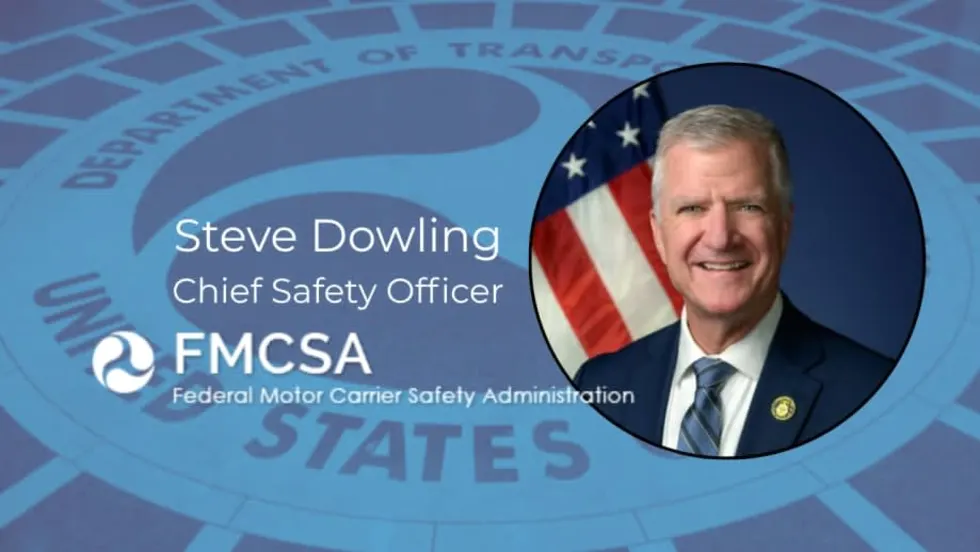
FMCSA Names New Chief Safety Officer: What School Bus Operators Should Know
Steve Dowling is set to lead the federal agency's efforts to advance commercial motor vehicle safety and reduce crashes, fatalities, and injuries on the nation's roadways.
Read More →