





Looking Back: Zero-Emission Funding Delays Blamed for Latest Lion Electric Cuts
Canadian Investors Attempt to Relaunch LION
Lion Electric was on the brink of collapse after mass layoffs and a plant closure. But just when it looked like they wouldn't make it, new owners stepped in with a new approach — one focused on its Canadian customers.
May 23, 2025
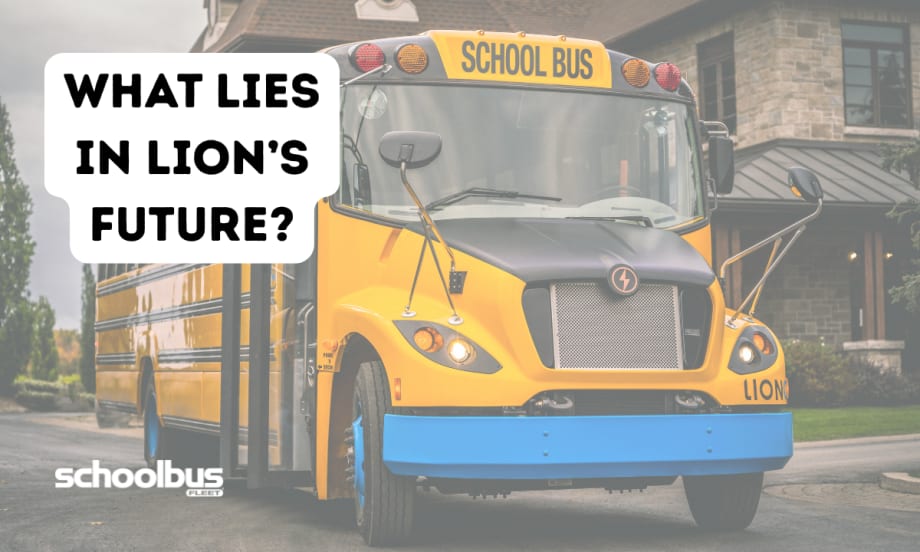
LION said keeping the company local to Quebec is essential to safeguard jobs and partnerships.
Photo: LION/School Bus Fleet
3 min to read
Lion Electric has been making headlines for the past few months for its presumed demise, but now hope is on the horizon.
The company announced May 22 that a group of seasoned investor-entrepreneurs has acquired the company LION, "formerly known as Lion Electric."
The announcement follows the approval of the transaction by the Superior Court of Quebec.
The acquisition keeps the company's local roots and prevents the takeover of a strategic industrial asset by foreign interests, the announcement read.
The new owners plan to streamline operations by focusing exclusively on electric school buses, fully assembled locally and intended for the Quebec market. This will allow LION to resume production, continue supporting hundreds of clients, and ensure maintenance of the approximately 1,000 electric school buses currently operating in the province.
The company also noted that all warranties will be honored, and maintenance services and parts supply will gradually resume after a transition period.
"We are proud to have mobilized a group of such experienced businessmen to relaunch LION and to contribute to the energy transition," said Luc Sabbatini, LION shareholder. "Our ambition is clear: ensure the company’s long-term revival through a realistic business vision focused on product quality, operational efficiency, and proximity to our clients. While acknowledging past challenges, we must look ahead. That is exactly what this transaction represents."
The new ownership consists of investor-entrepreneurs Pierre Wilkie, Luc Sabbatini, Éric D’Anjou, Claude Boivin, Martin Barbeau, Pierre Bolduc, and Michael Zakuta, as well as Mach Capital (Vincent Chiara). The groups brings together backgrounds in the pharmaceutical industry, real estate, energy, media, urban mobility, and outdoor industry and technology.
The electric bus OEM has had a string of bad press lately, including significant revenue drops prior to seeking bankruptcy protection, faulty buses in Maine, its president resigning, laid off employees, manufacturing suspension followed by Joliet plant closure, and investigations for unlawful business practices and federal securities fraud. It failed to find creditor protection in December, and its government wouldn't come to the rescue before it went into liquidation.
It remains to be seen what the new move means for LION's U.S. customers with unfulfilled orders and active buses needing service. The company was not available for additional comment or clarification.
Update as of 7/9/2025
Alison Wiley wrote in today's Electric School Bus Newsletter: "The recently purchased Canadian ESB manufacturer plans to only focus on the Canadian market going forward, likely ignoring U.S. customers still needing repairs, parts, and warranty service. A consortium of advocacy groups are exploring how to support those customers. Register to give or receive support here."
Update as of 7/22/2025
According to a release from the Electric School Bus Network, a letter was shared by Deloitte Restructuring Inc., financial monitor for the Lion Electric Company proceedings, on Tuesday, July 15, detailing that all Lion purchase orders and warranties outside of Quebec have not been transferred to new owners and are therefore considered null and void.
The release states, "This means that any warranty attached to a Lion bus in operation in the U.S. is no longer valid, and any active purchase orders with Lion in the U.S., including those awarded through the EPA Clean School Bus Program, are cancelled."
School districts with incentive funding and an active purchase order with Lion are encouraged to follow their incentive program's guidelines to switch vendors. If the award was given directly to Lion, districts should contact the program administrator for assistance.
During conversations with CALSTART "Lion expressed their interest in providing future support to their customers outside of Quebec and has the intention to relaunch service in the U.S." As Lion works to reestablish service in the U.S., districts and operators are encouraged to submit service tickets to Lion.
More Alternative Fuels

CALSTART and Forth Combine to Form Catalyst Mobility
The new name represents a renewed vision for the nonprofit focused on advancing clean, equitable, and affordable transportation solutions that move people and goods.
Read More →
Alt-Fuel Moves: New Buses, Charging Hubs & Real-World EV Testing
Propane and electric school bus deployments continue to grow as districts add new vehicles, expand charging infrastructure, and gather more real-world operating data.
Read More →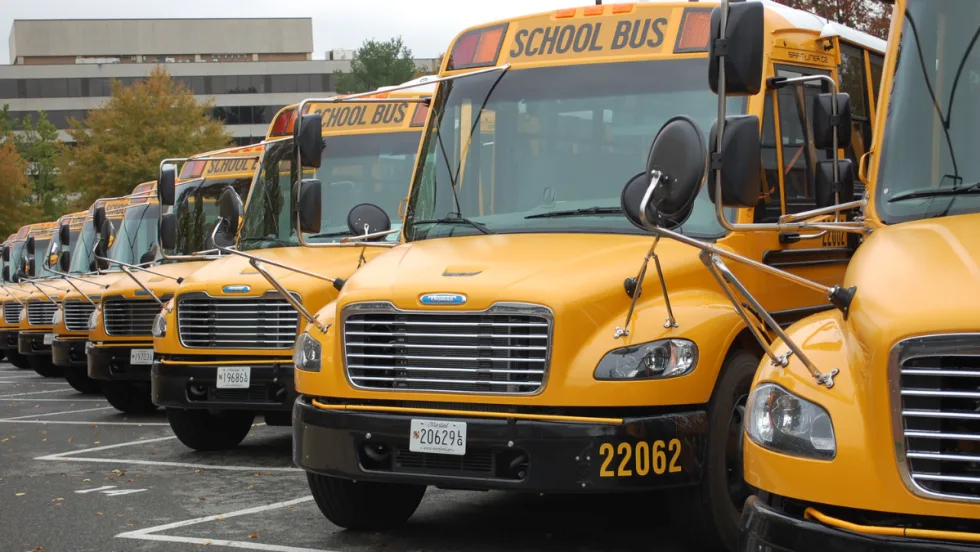
Fewer Electric School Bus Models Reshape the U.S. Market
WRI’s latest buyer’s guide points to a consolidating electric school bus market, but fewer options may reflect a maturing industry rather than fewer meaningful choices for school bus operators.
Read More →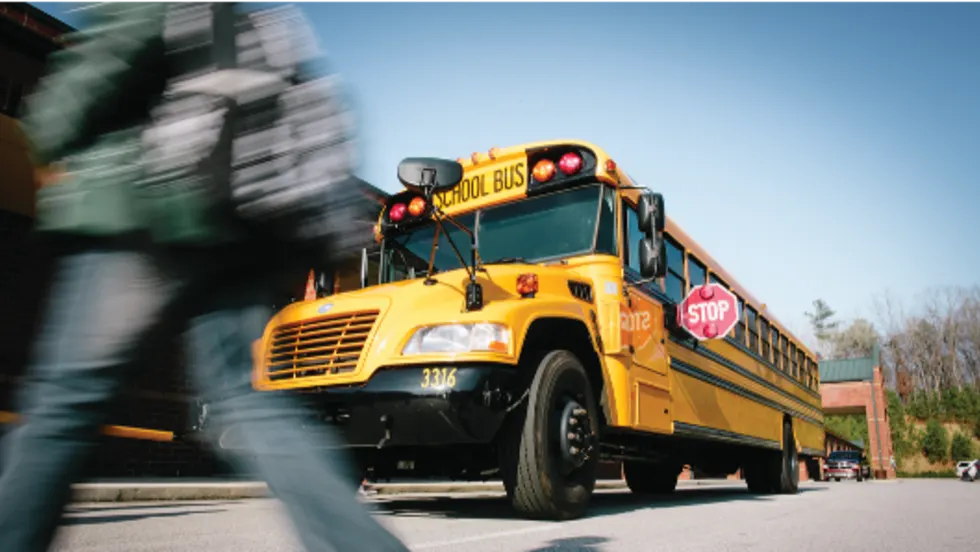
The Fuel Budget You Can Actually Predict: How Propane Autogas Keeps Money in the Classroom
Learn how propane autogas helps school districts manage fuel costs with predictable pricing, lower maintenance, and reduced emissions from former transportation director Joel Stutheit.
Read More →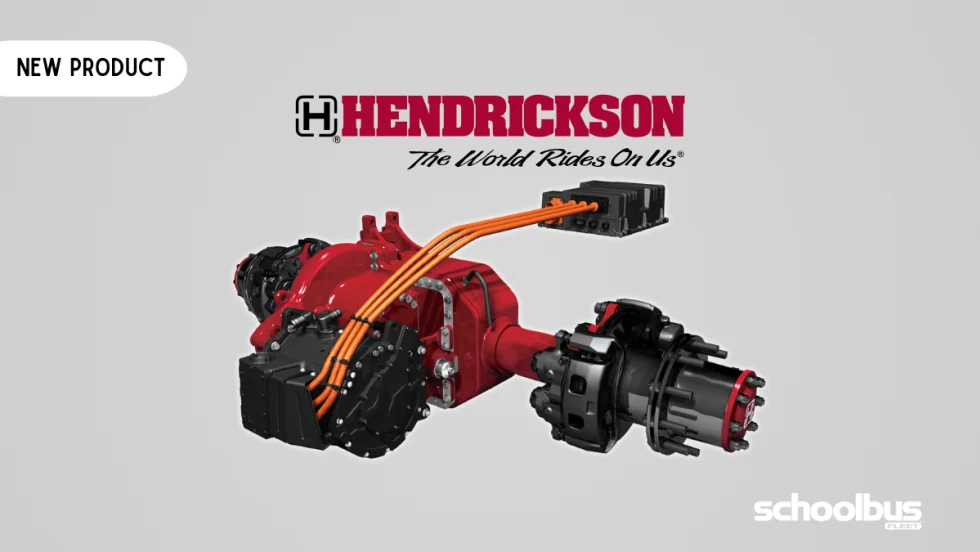
Hendrickson, Driventic Introduce New Electric Powertrain for School Buses
ELECTRAAX, the electrified, lightweight drive axle offers integrated ePowertrain efficiency and modular flexibility for Class 6–7 school bus use.
Read More →
The Mobility House Joins PowerFlex in Fleet Electrification Deal
The acquisition combines intelligent charging software, bidirectional charging expertise, and fleet electrification services to support the growing adoption of electric school buses across North America.
Read More →
Alt-Fuel Moves: Electric School Bus Investments Hit the Road
See which districts across the U.S. are putting electric school buses into service, expanding charging infrastructure, and planning the next phase of fleet electrification.
Read More →
With Fuel Volatility Ahead, School Districts Turn to Propane
While diesel prices peaked above $5 this spring, districts with propane autogas-powered fleets paid under $2 per gallon, according to PERC.
Read More →
EPA Unveils Proposed Changes to 2027 Heavy-Duty Engine Rules
The federal agency has proposed changes to next year’s targets that would eliminate DEF derates, ease warranty requirements, and retain current NOx emissions standards.
Read More →
Alt-Fuel Moves: EV Charging & Infrastructure Projects Gain Momentum
The latest developments include new funding, charging infrastructure, utility investments, and fleet technologies designed to support the transition to electric school buses nationwide.
Read More →