




DID YOU SEE: Battery Production Partnership Forms as Amplify Cell Technologies
California Prepares EV Infrastructure Funding Opportunity
The California Energy Commission will fund up to $10 million in incentives for medium- and heavy-duty electric charging through the EV Jump Start funding lane.
June 21, 2024
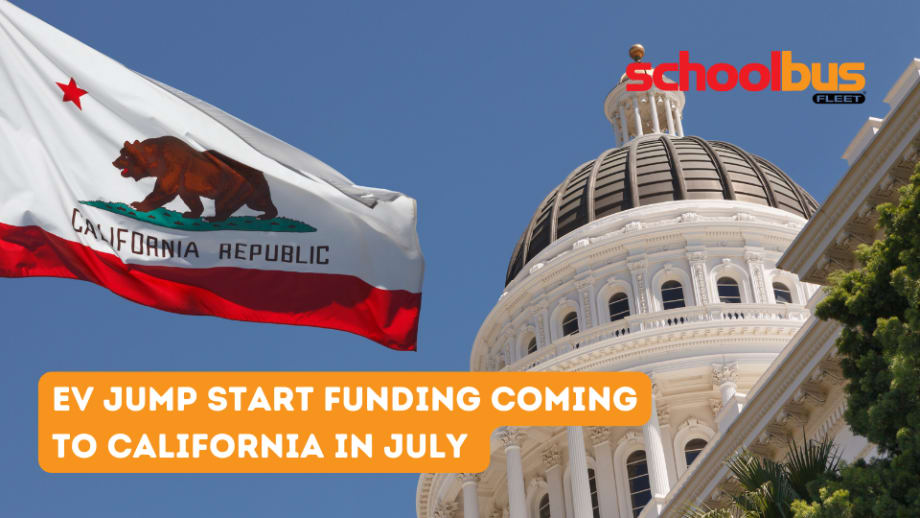
The EV Jump Start funding lane is one of four standard funding lanes under EnergIIZE that focuses on equity-qualified projects on private, public, or shared use sites. It covers up to 75% of eligible infrastructure equipment and software costs for projects up to $750,000; eligible costs include but are not limited to: Level 2 chargers, direct current fast chargers (DCFC), transformers, switchgear, charger accessories, utility service upgrades, and fleet and demand management software.
Source: Canva
2 min to read
Funded by the California Energy Commission and administered by CALSTART, the Energy Infrastructure Incentives for Zero-Emission Commercial Vehicles (EnergIIZE) Project will open its EV Jump Start funding lane on July 16, 2024, at 9 a.m. and run through Sept. 10, 2024, at 5 p.m. Pacific Time. This funding lane is intended for fleets interested in deploying electric vehicle charging infrastructure for Class 2b-8 vehicles, including school buses.
The EV Jump Start funding lane is one of four standard funding lanes under EnergIIZE, focusing on equity-qualified projects on private, public, or shared-use sites. It covers up to 75% of eligible infrastructure equipment and software costs for projects up to $750,000. Eligible costs include, but are not limited to, Level 2 chargers, direct current fast chargers (DCFC), transformers, switchgear, charger accessories, utility service upgrades, and fleet and demand management software.
The application process is competitive, with applications scored on criteria demonstrating operations and maintenance planning, cost-effectiveness, and community benefit.
Prospective applicants include tribes or tribal-serving entities, small businesses recognized by the California State Legislative Code, minority-owned, woman-owned, veteran-owned, or LGBT-owned businesses, infrastructure installed in a designated disadvantaged or low-income community, public transit systems with at least 50% of routes in a DAC or LIC, public school districts serving economically disadvantaged students, and nonprofit organizations.
Note: EV Jump Start eligibility requirements have changed. Previously, EnergIIZE only accepted one application per tax identification number (TIN). However, the new policy allows single entities, as identified by TIN, to apply for multiple unique project sites, though they cannot be awarded more than 25% of the total funding available for this lane.
"We are thrilled to open EV Jump Start once again to help advance the deployment of EV charging infrastructure across California with a particular focus on equity and community," said Alyssa Haerle, director of infrastructure incentive administration at CALSTART. "We hope these incentives will enable more fleets to make the transition to zero-emission and clean the air in areas that need it most."
Applications will be accepted through an online Incentive Processing Center (IPC) the day the funding lane opens. Potential applicants are encouraged to view the resources on the EnergIIZE website for more information and schedule time with the project team to ask questions about EV Jump Start.
More Alternative Fuels

With Fuel Volatility Ahead, School Districts Turn to Propane
While diesel prices peaked above $5 this spring, districts with propane autogas-powered fleets paid under $2 per gallon, according to PERC.
Read More →
EPA Unveils Proposed Changes to 2027 Heavy-Duty Engine Rules
The federal agency has proposed changes to next year’s targets that would eliminate DEF derates, ease warranty requirements, and retain current NOx emissions standards.
Read More →
Alt-Fuel Moves: EV Charging & Infrastructure Projects Gain Momentum
The latest developments include new funding, charging infrastructure, utility investments, and fleet technologies designed to support the transition to electric school buses nationwide.
Read More →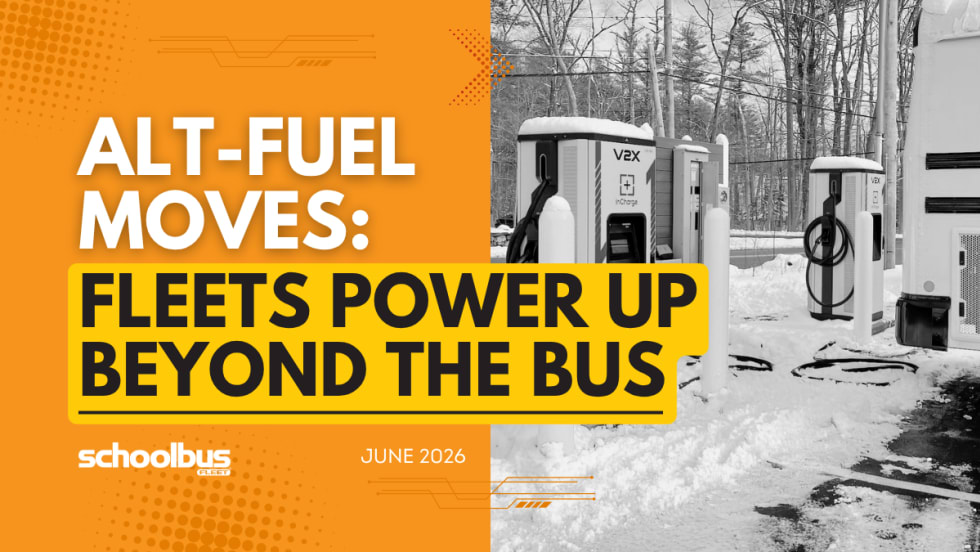
Alt-Fuel Moves: Fleets Power Up Beyond the Bus
See how districts are pairing electric buses with charging, solar, and V2G technology to cut costs, boost resilience, and unlock new fleet value.
Read More →
What the EPA’s Updated Clean School Bus Program Means for Fleet Electrification in 2026 and Beyond
A guide to the EPA’s evolving school bus grants, including how the Trump administration changed funding priorities and how school districts can prepare for future bus purchases.
Read More →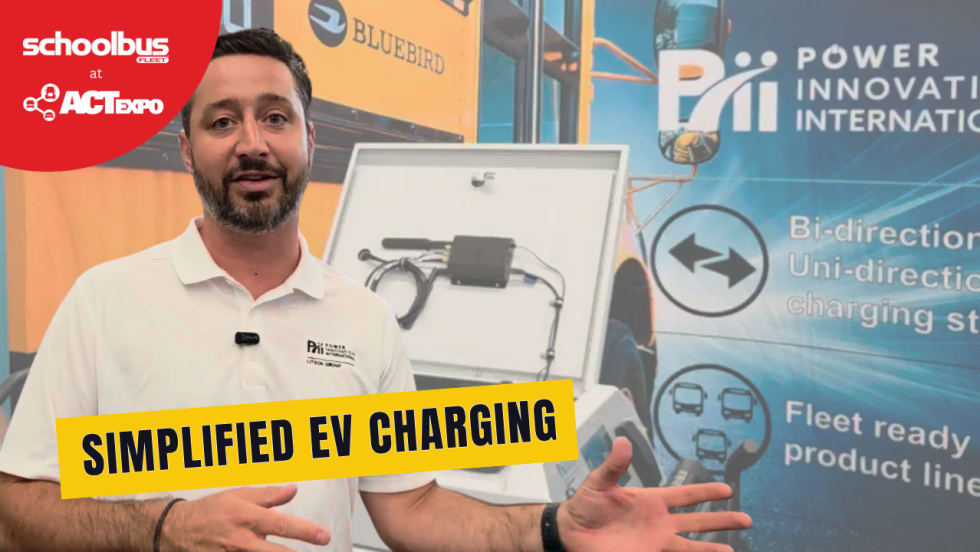
A Solution Helping School Buses Charge Without Major Infrastructure Upgrades
Power Innovations International dishes on its EV charging technology designed to reduce infrastructure barriers, improve reliability, and support V2G applications for school bus fleets.
Read More →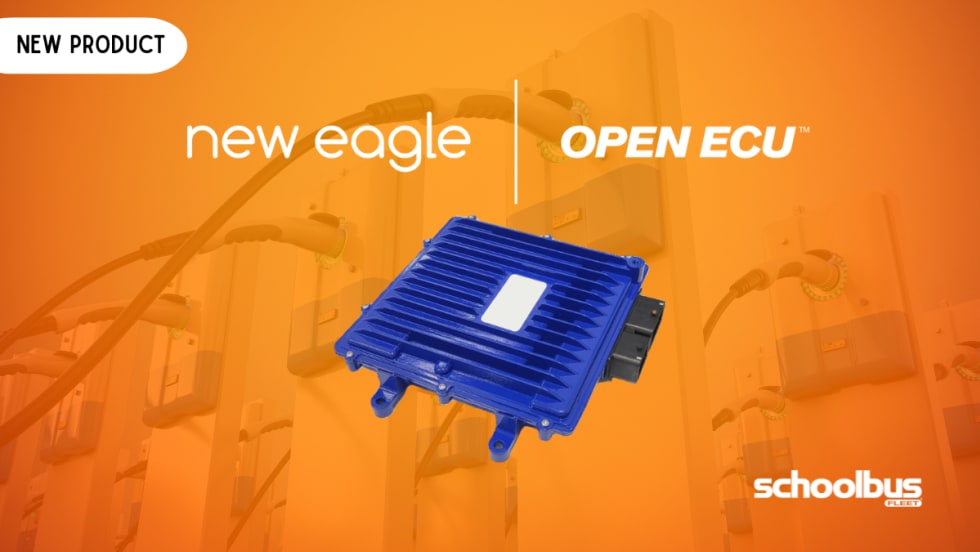
New Eagle Launches All-in-One EV Control Platform
The new OpenECU NX3 platform integrates charging and vehicle controls into a single platform, with support for megawatt charging and vehicle-to-grid technologies.
Read More →
GreenPower Unveils New Heating Solution for Type A Bus
The all-electric bus manufacturer's new product aims to eliminate cold-cabin issues on its Nano BEAST zero-emission school buses operating in cold climates.
Read More →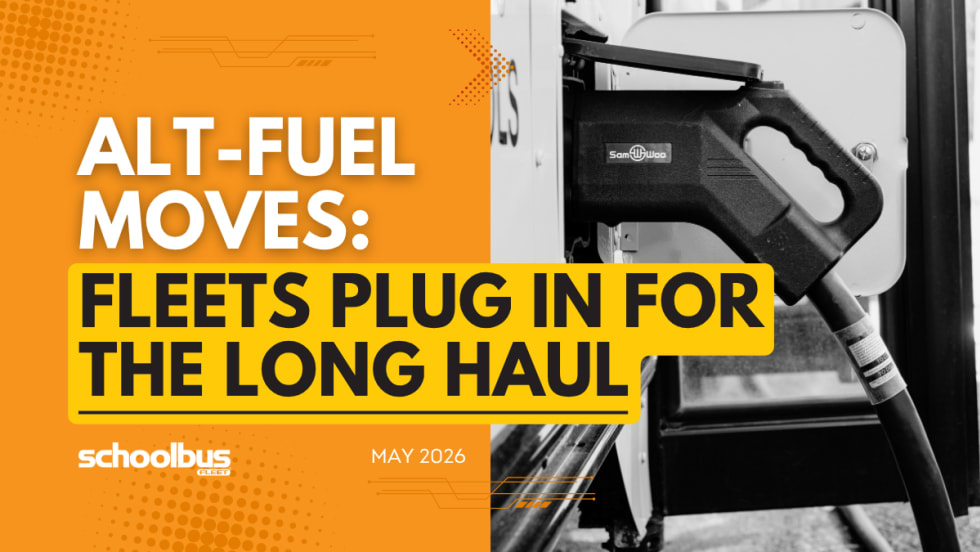
Alt-Fuel Moves: Fleets Plug In for the Long Haul
School districts across the U.S. are moving electric school bus plans into operation, with new fleet deployments, charging infrastructure, and long-term electrification partnerships taking shape.
Read More →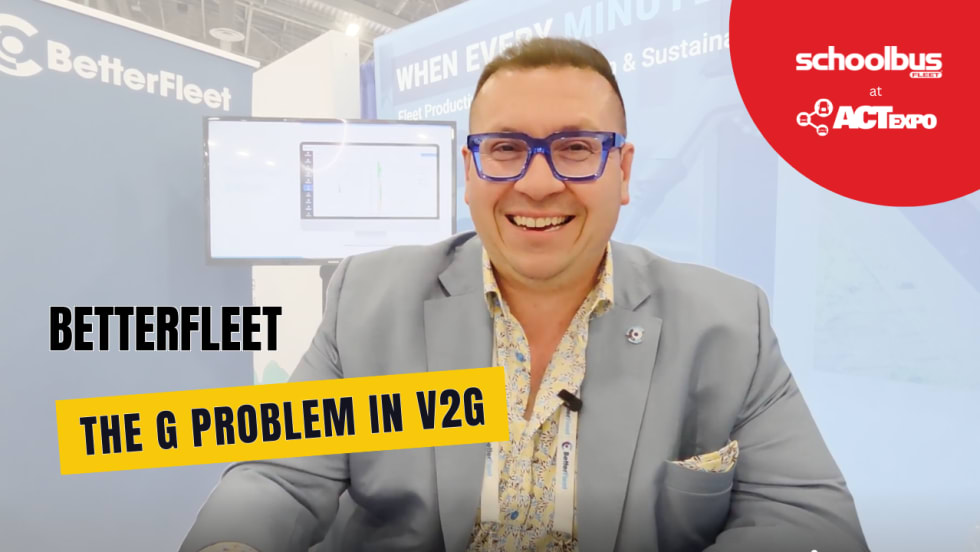
The Achilles Heel of School Bus Electrification: BetterFleet’s Take
BetterFleet’s managing partner discusses AI-powered EV fleet management, vehicle-to-grid challenges, and the real challenges in bus electrification today, from ACT Expo.
Read More →