




How Can the Yellow Bus Meet the 2030 Zero-Emissions Challenge?
EV Tech Company, Equity Firm Launch Joint Venture for Vehicle Charging, Services
Nuvve and Stonepeak are teaming up to pursue a $750 million joint venture, called Levo, to deploy turnkey electric vehicle charging and Transportation-as-a-Service for school buses and other commercial fleets.
by SBF Staff
May 20, 2021
Nuvve Holding Corp. and Stonepeak Partners LP are teaming up to pursue a joint venture, called Levo, to deploy turnkey electric vehicle charging and Transportation-as-a-Service for school buses and other commercial fleets.
Photo courtesy Nuvve Holding Corp.
3 min to read
Green technology company Nuvve Holding Corp. (Nuvve) and private equity firm Stonepeak Partners LP (Stonepeak) are launching a new joint venture to help accelerate the deployment of electric vehicles (EVs).
The joint venture, called Levo Mobility (Levo), will use Nuvve’s vehicle-to-grid (V2G) technology to help support the deployment of EVs, including thousands of electric school buses nationwide, through V2G hubs and Transportation-as-a-Service (TaaS), according to a news release from Nuvve. Stonepeak, along with its portfolio company Evolve Transition Infrastructure LP (Evolve), will reportedly provide up to $750 million in capital to Levo.
With an initial focus on electrifying school buses and charging infrastructure, Levo will implement V2G services that support carbon dioxide emissions reduction, renewable energy integration, and improved grid resiliency. Levo also plans to work with commercial fleets, such as last-mile delivery, ride hailing and ride sharing, and municipal services, according to Nuvve.
Beyond intelligent charging, Nuvve’s V2G platform allows EV batteries to store energy, including renewables such as solar and wind, and then safely discharge part of this stored energy back to the grid while parked and plugged in. Additionally, V2G allows EVs to earn revenue by combining energy from multiple batteries to form virtual power plants (VPPs) and access energy markets, sell energy back to the grid, and perform services that stabilize the grid.
Levo’s focus on school buses comes at a time when the Biden-Harris Administration has prioritized electrification of the 480,000 school buses in the U.S. through its Infrastructure Plan. Building on this, lawmakers recently announced a $25 billion bill, called the Clean Commute for Kids Act, to electrify school buses and, increasingly, school districts are looking to transition their fleets to zero-emission vehicles.
To help alleviate operators’ concerns of high vehicle costs and the management of charging infrastructure, Levo plans to include a fully financed offering that covers the upfront costs of electric buses coupled with a complete charging solution powered by Nuvve’s V2G technology, according to the company. Levo’s customers would reportedly sign contracts for their electric fleets, regardless of size, that would provide predictable and known budget savings.
“Through our relationship [with Stonepeak], we plan to remove barriers that currently exist for school districts and other fleet operators to convert to electric vehicles,” said Gregory Poilasne, chairman and CEO of Nuvve. “At the same time, we are expanding the use of Nuvve’s V2G technology to lower the total cost of ownership for end users.”
Trent Kososki and William Demas, managing directors at Stonepeak, added that the firm’s partnership with Nuvve “will create exciting opportunities for growth,” and that the “transition to electrification of transportation represents a meaningful opportunity to accelerate solutions to combat climate change.”
Definitive agreements for Levo are expected to be signed, and closing is expected to occur prior to the end of July 2021, according to Nuvve.
More Alternative Fuels

CALSTART and Forth Combine to Form Catalyst Mobility
The new name represents a renewed vision for the nonprofit focused on advancing clean, equitable, and affordable transportation solutions that move people and goods.
Read More →
Alt-Fuel Moves: New Buses, Charging Hubs & Real-World EV Testing
Propane and electric school bus deployments continue to grow as districts add new vehicles, expand charging infrastructure, and gather more real-world operating data.
Read More →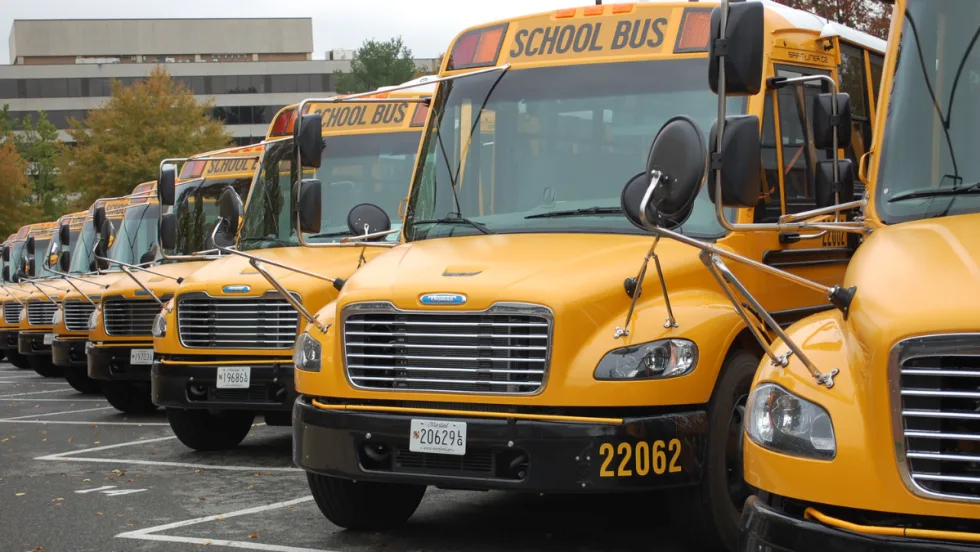
Fewer Electric School Bus Models Reshape the U.S. Market
WRI’s latest buyer’s guide points to a consolidating electric school bus market, but fewer options may reflect a maturing industry rather than fewer meaningful choices for school bus operators.
Read More →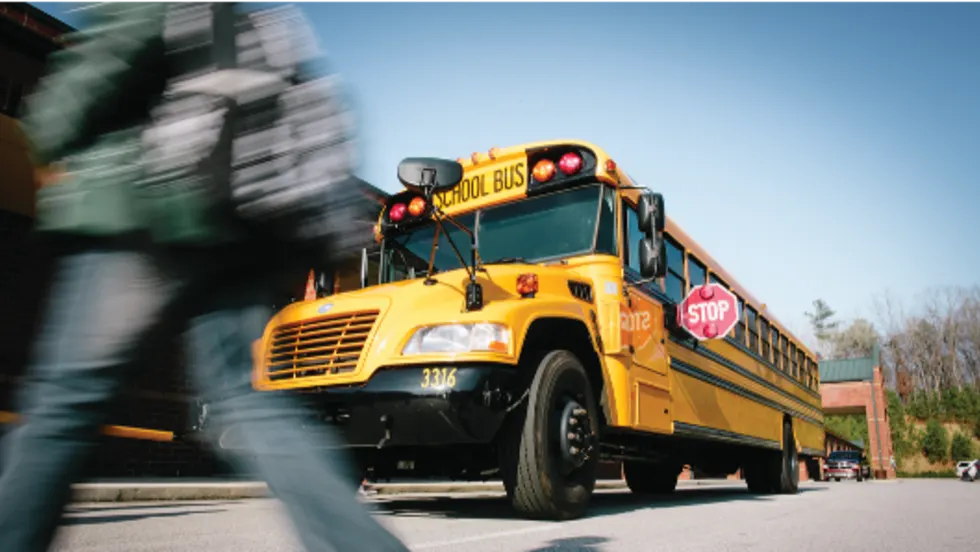
The Fuel Budget You Can Actually Predict: How Propane Autogas Keeps Money in the Classroom
Learn how propane autogas helps school districts manage fuel costs with predictable pricing, lower maintenance, and reduced emissions from former transportation director Joel Stutheit.
Read More →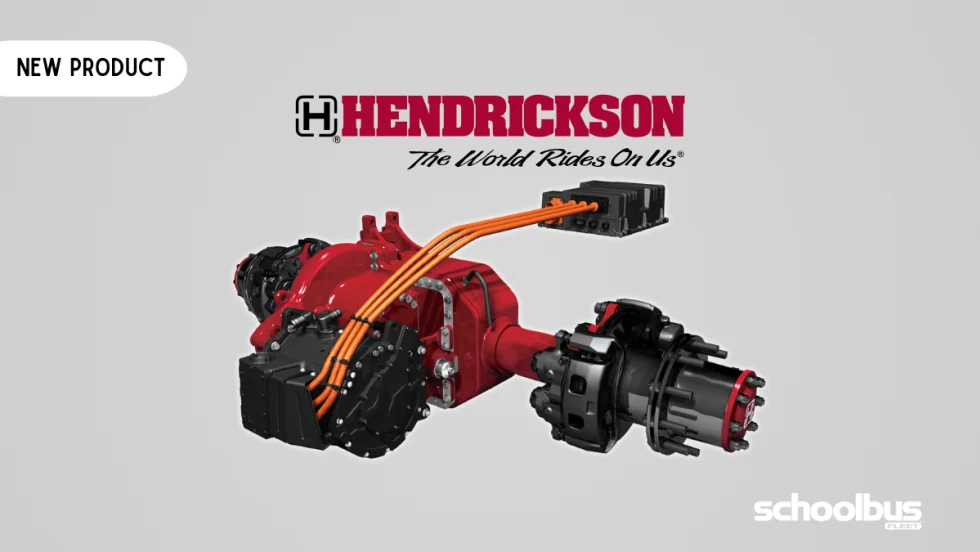
Hendrickson, Driventic Introduce New Electric Powertrain for School Buses
ELECTRAAX, the electrified, lightweight drive axle offers integrated ePowertrain efficiency and modular flexibility for Class 6–7 school bus use.
Read More →
The Mobility House Joins PowerFlex in Fleet Electrification Deal
The acquisition combines intelligent charging software, bidirectional charging expertise, and fleet electrification services to support the growing adoption of electric school buses across North America.
Read More →
Alt-Fuel Moves: Electric School Bus Investments Hit the Road
See which districts across the U.S. are putting electric school buses into service, expanding charging infrastructure, and planning the next phase of fleet electrification.
Read More →
With Fuel Volatility Ahead, School Districts Turn to Propane
While diesel prices peaked above $5 this spring, districts with propane autogas-powered fleets paid under $2 per gallon, according to PERC.
Read More →
EPA Unveils Proposed Changes to 2027 Heavy-Duty Engine Rules
The federal agency has proposed changes to next year’s targets that would eliminate DEF derates, ease warranty requirements, and retain current NOx emissions standards.
Read More →
Alt-Fuel Moves: EV Charging & Infrastructure Projects Gain Momentum
The latest developments include new funding, charging infrastructure, utility investments, and fleet technologies designed to support the transition to electric school buses nationwide.
Read More →