




Blue Bird Reveals 2 New Electric School Buses
The electric-powered Micro Bird G5 and All American RE school buses are slated to be available in 2018.

RENO, Nev. — Blue Bird unveiled two new electric-powered school buses here on Tuesday.
At the STN Expo, Blue Bird showcased the new electric-powered Type A Micro Bird G5 school bus and the electric Type D chassis that will power the Blue Bird All American rear engine (RE) school bus.
The announcement comes on the heels of a $4.4 million Department of Energy grant awarded to Blue Bird in December 2016 to develop a Type C Vision electric school bus. The company built its first electric-powered bus in 1994 for deployment in Southern California as a demonstration project. The new buses incorporate the latest technological advancements in electric motors, batteries, and control systems, according to Blue Bird.
“With diesel, gasoline, propane, and CNG engines offered across our product range, Blue Bird already leads the way in the breadth of affordable engine offerings for our customers,” said Phil Horlock, president and CEO of Blue Bird Corp. “The addition of electric-powered buses to our fleet is a further illustration of our commitment to provide the broadest array of school bus products that our customers want and value. With zero emissions, low operating costs, and terrific electric engine development partners in Adomani and EDI [Efficient Drivetrains Inc.], we believe now is a great time to bring these new electric solutions to the market.”
Blue Bird said that it chose to display the Type D RE chassis at the STN Expo so that visitors could clearly see the powertrain and battery components.
“The body will be exactly the same as the All American RE model you currently see on diesel units,” said Dennis Whitaker, vice president of product development at Blue Bird. “After the show, this chassis will immediately be delivered to our design group in Fort Valley for body mount and to enter the ‘test and validation’ phase. Start of production will be in 2018.”
The Blue Bird All American RE electric bus chassis was developed in conjunction with California-based Adomani Inc. and operates on an electric drivetrain supplied by EDI. The bus offers battery capacities of 100 to 150 kWh with an expected range of 80 to 100 miles from a single charge, depending on driving habits, Blue Bird said.
Vehicle-to-grid technology is also under development for the electric All American RE, which will enable the bus to deliver electricity back into the grid and “sell back” energy to power companies. According to Blue Bird, this helps to reduce maintenance and fuel costs.
The electric Type A Micro Bird G5 school bus uses a Ford E-450 chassis and provides a range of up to 100 miles on a single charge, according to the manufacturer.
“The Micro Bird G5 Electric will be offered as an integrated and certified solution that expands on Blue Bird’s market-leading school bus product line,” said Steve Girardin, president of Micro Bird. “With 100 miles of range in almost all climates and comparable performances with a combustion engine, we are particularly proud that our Micro Bird G5 Electric will continue to further Blue Bird’s leadership in the reduction of greenhouse gases.”
The electric Micro Bird G5 and All American RE school buses are slated to be available in 2018.
More Alternative Fuels
Bipartisan Bill Seeks to Extend Clean School Bus Program Through 2031
The proposed legislation would renew federal support for cleaner school buses as districts navigate funding uncertainty, rising fuel and infrastructure costs, and fleet replacement needs.
Read More →
Alt-Fuel Moves: Electric Bus Rollouts, Bidirectional Charging & Propane Growth
See which fleets are adding electric and propane school buses as districts and operators invest in charging infrastructure, bidirectional technology, and alternative-fuel expansion.
Read More →
Nobody Told Diesel Prices They Were Supposed to Come Down
With diesel prices surging, school bus fleets have new reason to stress-test fuel costs, consider diversification, and calculate what each route really costs to operate.
Read More →
Why Gasoline School Buses Are Making a Comeback
Gasoline is gaining ground in full-size school buses. See how today’s options stack up against diesel on cost, maintenance, emissions, performance, and more.
Read More →
EPA Opens $180M DERA Funding Round for Diesel Upgrades
The 2026 Diesel Emissions Reduction Act program seeks applications from eligible organizations to accelerate the retirement of legacy diesel vehicles.
Read More →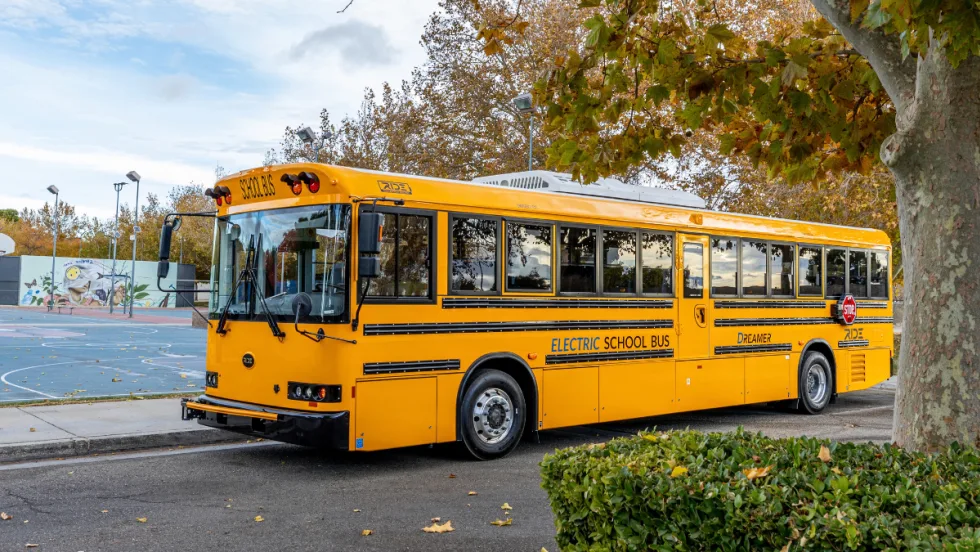
The Secret Life of an Electric School Bus Battery
Batteries change throughout years of daily routes, but degradation doesn’t necessarily mean the end. Here’s what operators should know about performance, safety, and second life.
Read More →
CALSTART and Forth Combine to Form Catalyst Mobility
The new name represents a renewed vision for the nonprofit focused on advancing clean, equitable, and affordable transportation solutions that move people and goods.
Read More →
Alt-Fuel Moves: New Buses, Charging Hubs & Real-World EV Testing
Propane and electric school bus deployments continue to grow as districts add new vehicles, expand charging infrastructure, and gather more real-world operating data.
Read More →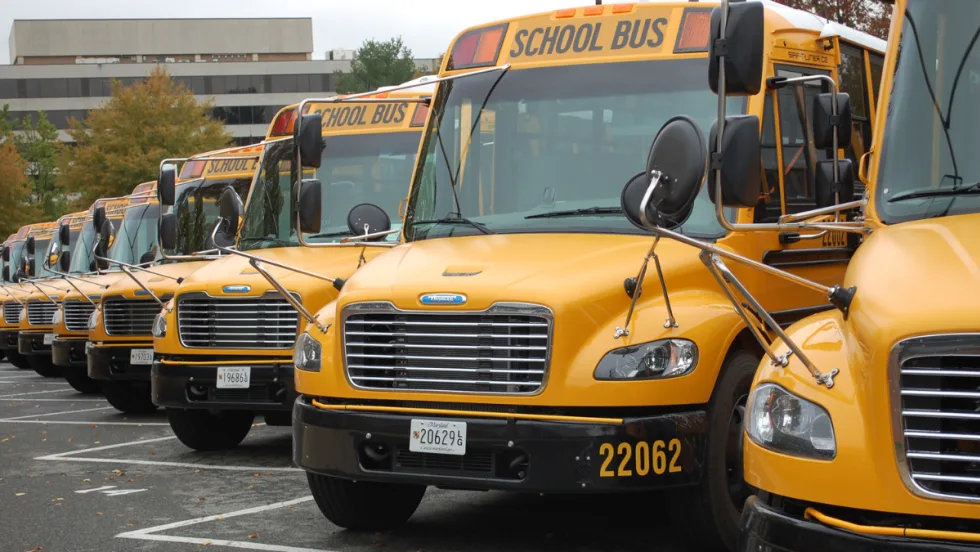
Fewer Electric School Bus Models Reshape the U.S. Market
WRI’s latest buyer’s guide points to a consolidating electric school bus market, but fewer options may reflect a maturing industry rather than fewer meaningful choices for school bus operators.
Read More →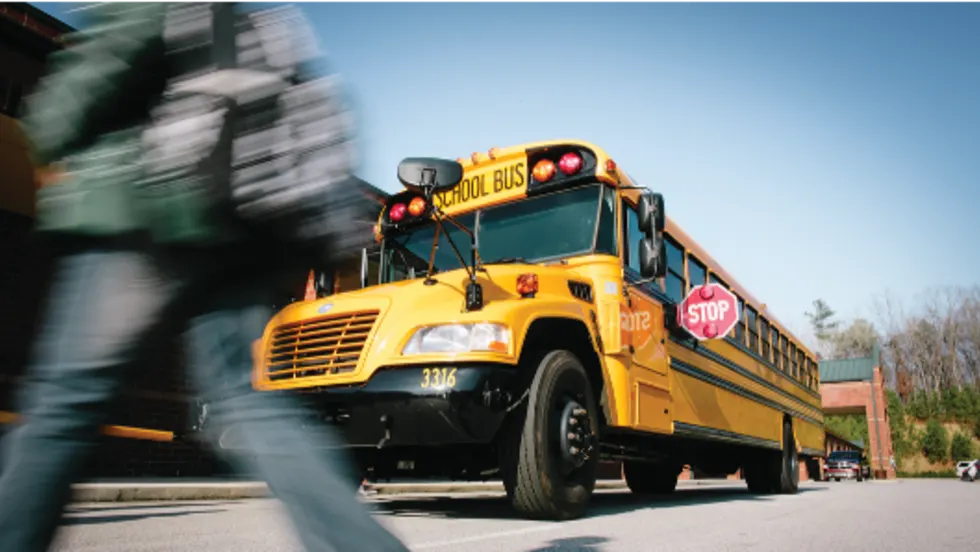
The Fuel Budget You Can Actually Predict: How Propane Autogas Keeps Money in the Classroom
Learn how propane autogas helps school districts manage fuel costs with predictable pricing, lower maintenance, and reduced emissions from former transportation director Joel Stutheit.
Read More →