




Tech Advancements Offer Hope Amid Student Tragedies
It is essential that the motorists who share the road with bus drivers stop for stopped school buses. However, it is encouraging to see how technology is evolving to help provide an even safer ride for all students.

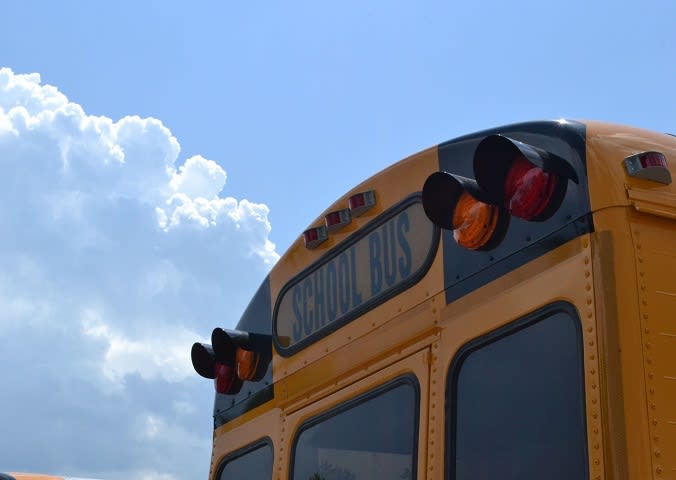
New technology can play a role in ehancing safety, and several items on display at the NAPT trade show were created to help prevent fatal school bus crashes. File photo
New technology can play a role in ehancing safety, and several items on display at the NAPT trade show were created to help prevent fatal school bus crashes. File photo
Hopefully, a new year brings new beginnings, and many more safe trips to and from school via the yellow bus.
Speaking of safety, the Kansas City, Missouri, conferences, held by the National Association for Pupil Transportation (NAPT) and the National Association of State Directors of Pupil Transportation Services, held late last year, featured an impressive variety of safety-related topics that dominated discussions, ranging from fire evacuation training to lessons learned from fatal school bus crashes.
One particularly eye-opening topic was the findings outlined by an investigator from the National Transportation Safety Board on the 2016 Chattanooga, Tennessee, and Baltimore, Maryland, crashes that each killed six people, and the recommendations for electronic stability control and collision mitigation technology. Thankfully, school bus manufacturers such as IC Bus and Thomas Built Buses, which displayed vehicles on the trade show floor, made that technology standard in 2018.
It is, of course, essential that the motorists who share the road with bus drivers stop for stopped school buses … However, it is encouraging to see how technology is evolving to help provide an even safer ride for all students.
Another unfortunate talked-about topic during the events: the day of the trade show, Oct. 30, a tragic crash occurred in Indiana, killing three students, and seriously injuring another student. A motorist, Alyssa Shepherd, allegedly ran a stop arm and struck the students as they were crossing the street to board their bus. Showgoers, who share a passion for student safety, were of course saddened and concerned over the news. As Thomas Built Buses leader Caley Edgerly told School Bus Fleet in a Q & A in the January issue in response to news of the Indiana crash in October and other student fatalities that have occurred since: “Any news of a tragedy involving a school bus … causes each one of us great pain. Our hearts ache with the rest of the industry, and our minds reel with what-ifs.”
Sadly, later that week a handful of other high-profile accidents followed, including two that were fatal:
In Mississippi, a 9-year-old boy was hit and killed by a pickup truck while trying to cross a highway to get to his bus.
A 7-year-old boy was fatally struck by a vehicle at his bus stop in Pennsylvania.
In Florida, five students and two adults were injured at a bus stop when a motorist struck them, seriously injuring two of the students, ages 6 to 10 years old.
These awful events — and several others since — have reinforced the need for even greater public education and safety in what is already the safest form of transportation available.
New technology can play a role, and several items on display at the NAPT trade show were created to help prevent such incidents. In our Technology Showcase in the January issue, we provide information on a few of the offerings on display. Those include a stop-arm solution that can monitor traffic as it approaches a school bus, and uses radar technology and artificial intelligence to analyze when a stop-arm violation could potentially happen.
It is, of course, essential that the motorists who share the road with bus drivers stop for stopped school buses, which is the law in all 50 states and in Canada (where motorists in one province who do run stop arms now face a temporary loss of their license.) However, it is encouraging to see how technology is evolving to help provide an even safer ride for all students.
More Safety

How to Build a Better School Bus Driver Training Program
Is it time to strengthen your driver training? Here’s how to pick the right talent and improve recruitment, retention, and safety. This video is brought to you by IC Bus.
Read More →
Recent School Bus Accidents Leave 2 Dead, 2 Injured
Four school bus crashes in Florida, Illinois, and Georgia highlight risks in transportation lots, at bus stops, and during student loading and unloading.
Read More →
When Every Second Matters, Clarity Keeps Routes Moving
From routine delays to urgent incidents, strong communication practices help drivers, dispatchers, schools, and families respond with confidence.
Read More →

What Happens When a School Bus Catches Fire — and What Can Help
School bus fires are rare but can be devastating. Learn how advances in fire suppression and asset protection help fleets detect fires earlier, reduce damage, and improve safety.
Read More →
Geotab Launches Tool to Help Fleets Investigate Road Incidents
Geotab Investigations combines telematics data, video, documents, and other evidence to help fleets reconstruct incidents, resolve claims, and determine what happened.
Read More →
Texas Sixth Grader Wins 2026 National School Bus Safety Poster Contest
Sai Darshana Yekolu of Moseley Middle School in Prosper, Texas, was named the newest winner for her artwork, bringing the theme of “Safe Rides, Everyday Heroes” to life.
Read More →
Doing More With Less: How Transportation Directors Can Prioritize Safety Amid Budget Uncertainty
With diesel prices soaring and nearly one-third of transportation directors expecting budget cuts, maintaining student safety has never been more challenging. Download this guide to learn how leading districts are prioritizing risk, funding critical safety technology, and building stronger budget cases with data.
Read More →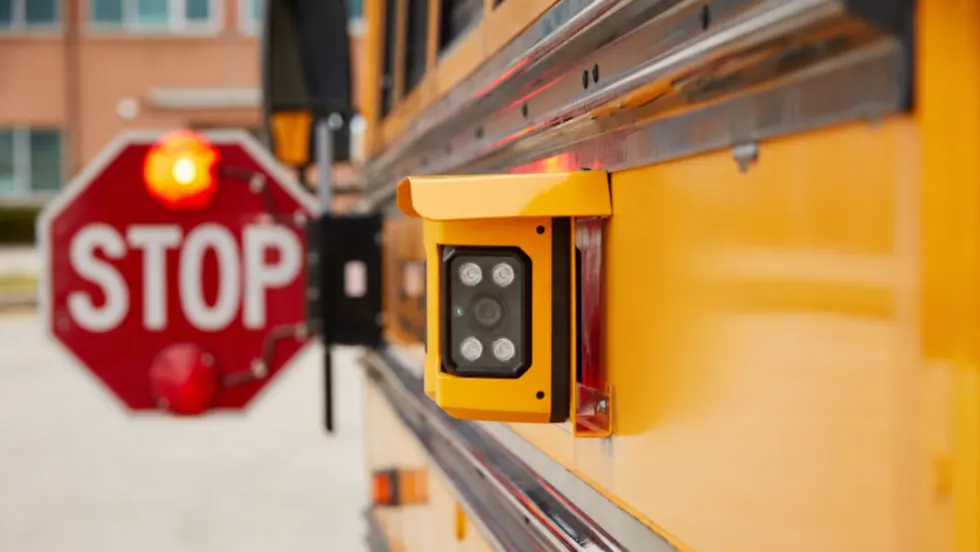
Walton County Schools Adds Gatekeeper Stop-Arm Enforcement System
The Florida district will deploy Gatekeeper’s updated Student Protector technology, which now incorporates AI to improve video evidence.
Read More →
How To Build a More Secure School Bus Yard During and After Hours
As thefts and overnight security threats continue, school transportation leaders are combining stronger operational practices with AI-enabled surveillance to better protect buses, facilities, and staff.
Read More →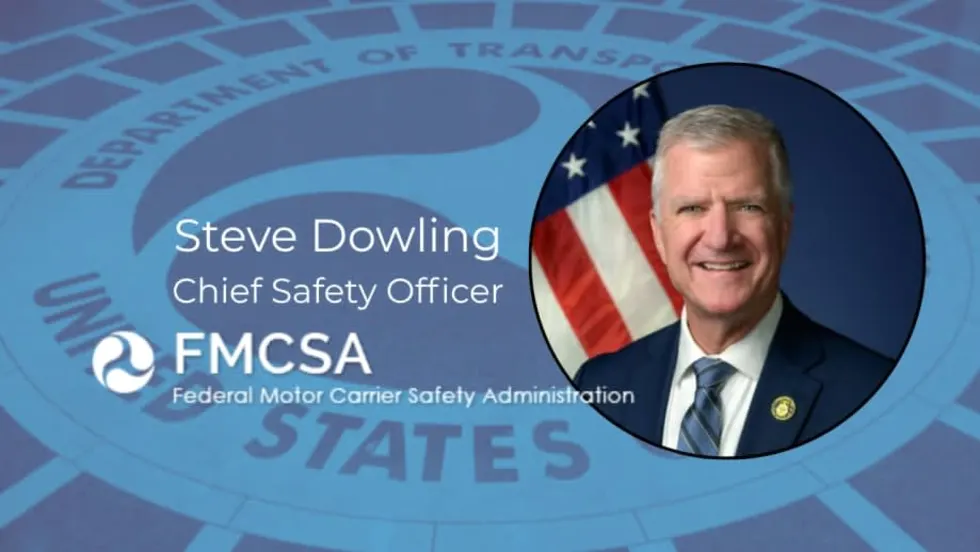
FMCSA Names New Chief Safety Officer: What School Bus Operators Should Know
Steve Dowling is set to lead the federal agency's efforts to advance commercial motor vehicle safety and reduce crashes, fatalities, and injuries on the nation's roadways.
Read More →