


 MENU
MENU SEARCHMENUSEARCH
Loading data...

More than 30 people attend the seminar organized by Tippecanoe School Corp. in Lafayette, Ind., to discuss the possibility of using alternative fuels as a way to offset increasing fuel costs and reduced education budgets. The district is in the process of converting two maintenance vehicles and a food service vehicle to run on propane.
Read More →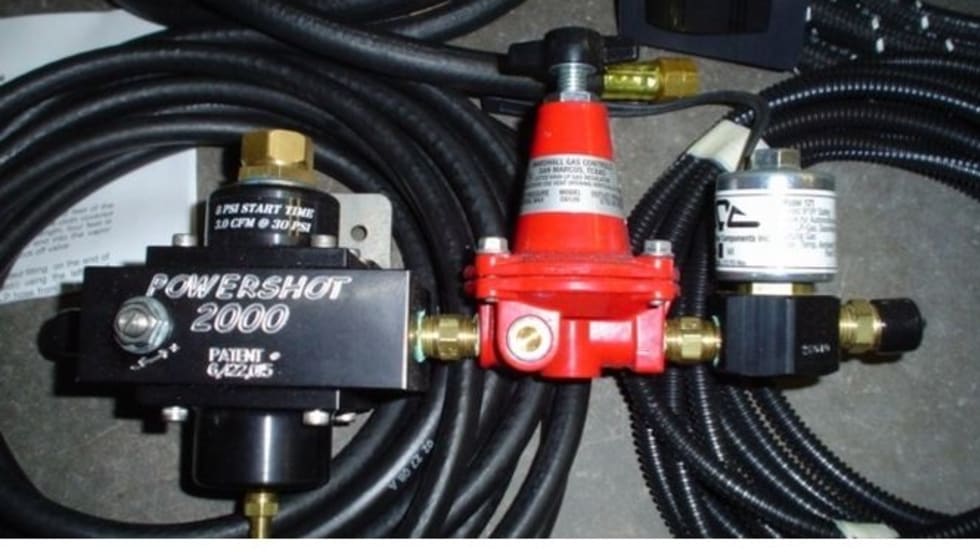
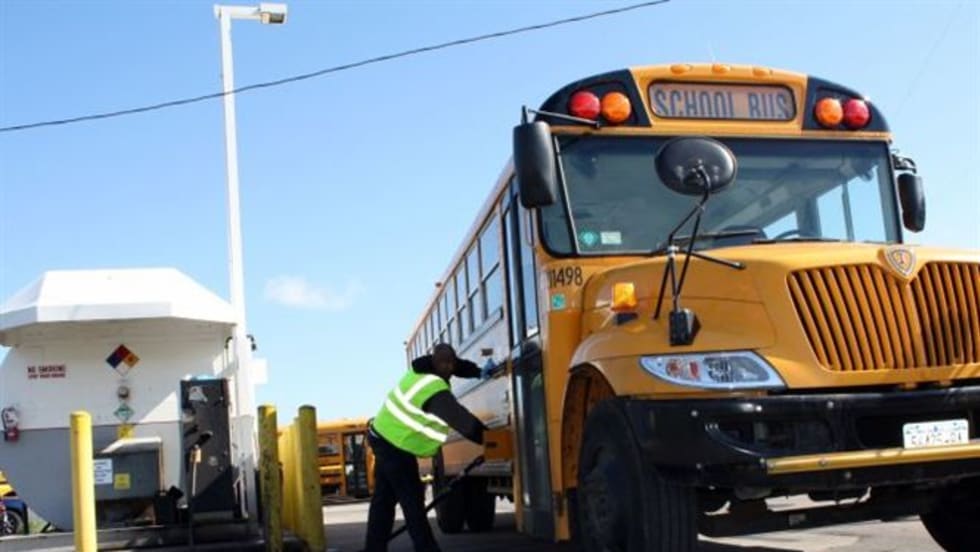
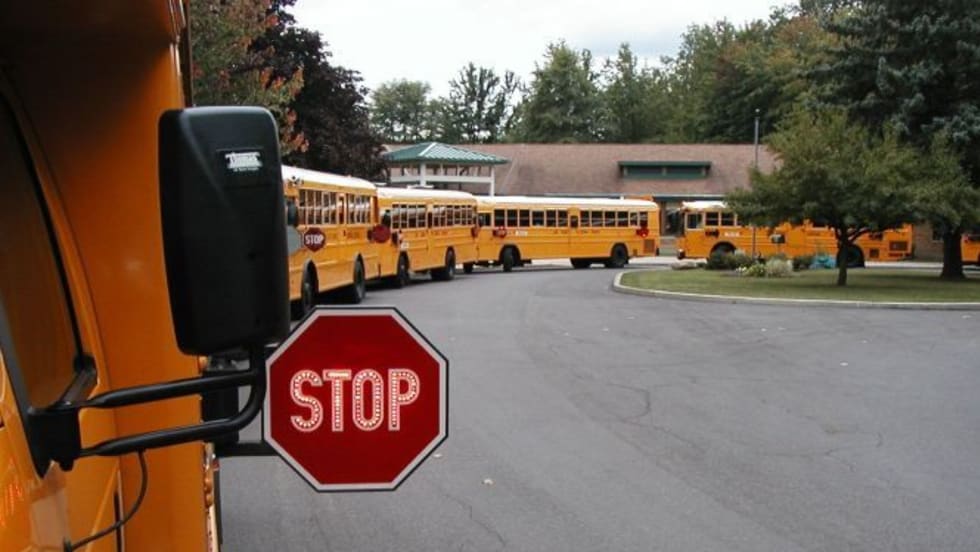
The Calgary Board of Education's proposal addresses an $8.8 million gap between transportation costs and funding, as well as a 10-percent increase in fuel costs. A board member says they will consider eliminating bus routes and a position in transportation to minimize the fees.
Read More →The transportation staff for the North Carolina district put 1.3 million gallons of diesel fuel out to bid in February and accepted a bid price of $2.85 per gallon. The district typically uses 60,000 gallons of diesel fuel per week to operate its buses; officials say that if the state contract price of $3.24 remains at that rate until June 30, the district would see an approximate total savings of half a million dollars this year.
Read More →Officials at the Georgia school district say the system will save nearly $1.5 million due to a decreased need for personnel, buses and fuel. Elementary, middle and high school start and finish times will be staggered, and combined routes will be eliminated.
Read More →The additional funding was made possible because revenue collections have been better than anticipated, according to the state's budget director. The funding will help school districts offset rising fuel costs while grappling with budget cuts.
Read More →The Powershot 2000 injects propane in increasing amounts into a bus engine’s air intake system as the boost pressure level of the engine increases. Operations in Arizona and Wisconsin test the system on older school buses and report getting better fuel mileage and seeing substantial reductions in exhaust emissions.
Read More →Under the legislation, the boards of education for school districts statewide can enter into contracts to sell advertising space on the exterior sides of buses that districts own or lease. Ads for tobacco or alcohol products or for political advocacy would be prohibited. Fifty percent of any revenue generated by the sale would be used to offset fuel costs for providing pupil transportation services.
Read More →A veteran transportation director discusses the importance of reducing fuel use — and how to make it happen.
Read More →Company officials spoke to attendees about the Propane-Powered Vision Type C school and activity bus, noting that the 77-passenger unit meets and exceeds all federal and Canadian motor vehicle safety standards and yields lower fuel, maintenance and operating costs.
Read More →Top viewed stories included "Approaches to Protect Students in Loading Zones," "Restructuring Transportation for Tight Budgets," and "Strategies for Discipline Problems on the School Bus."
Read More →