




Propane buses save Indiana district 50% on fuel costs
Tippecanoe School Corp. purchased five Propane-Powered Blue Bird Vision school buses last year, and Director of Transportation Kevin Neafie says the district pays nearly half the price for propane compared to diesel, and that so far, the operation has saved $10,000 on these five buses alone.

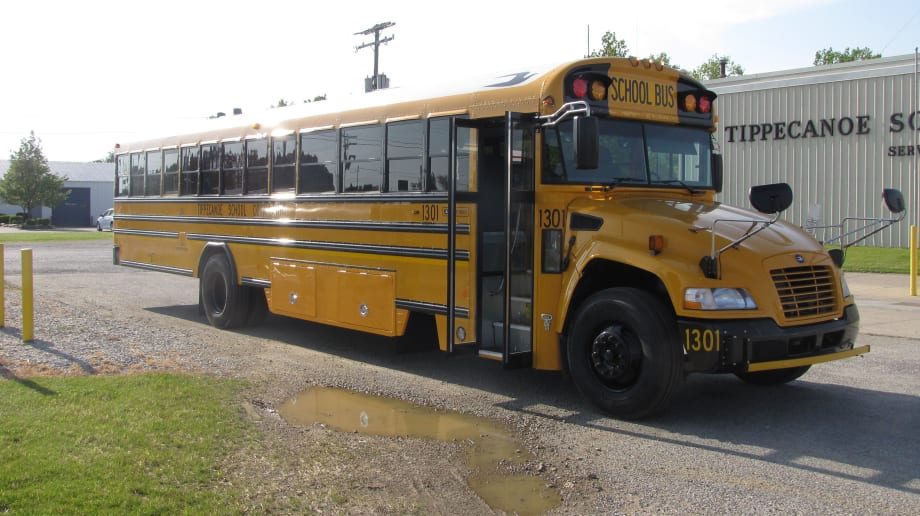
Tippecanoe School Corp. operates five Blue Bird Propane-Powered Vision school buses. The buses were purchased last year with the help of grants.
Tippecanoe School Corp. operates five Blue Bird Propane-Powered Vision school buses. The buses were purchased last year with the help of grants.
LAFAYETTE, Ind. — Tippecanoe School Corp. (TSC) has seen cost savings as a result of running five Blue Bird Propane-Powered Vision Type C school buses, according to a new case study.
The district purchased the buses before summer break in 2012. They are equipped with Roush CleanTech propane autogas fuel systems and Ford 6.8-liter engines.
A deciding factor in TSC’s decision to adopt propane was the School Transportation Association of Indiana’s idling policy. According to the policy, diesel-fueled buses are prohibited from idling for more than five minutes to reduce emissions. Propane is not subject to idling restrictions.
“Idling laws and effects on student health and safety definitely impacted our decision,” TSC Director of Transportation Kevin Neafie said. “It’s cleaner and safer for our students, and we don’t have to worry about harmful fumes affecting their breathing. That’s definitely a big plus.”
High fuel costs were also a factor in the district’s decision to begin running propane-powered buses.
“Our fuel budget usually takes a big hit with the up and down diesel prices, and we pay anywhere from $3.60 to $4 a gallon for diesel,” Neafie said. “When budgeting fuel, sometimes we’re already in the red by the third quarter.”
He added that before tax credits, his operation pays nearly half the price of diesel for propane, which reduces fuel expenditures by more than 50%. So far, the operation has saved $10,000 on the five Blue Bird buses alone.
McAllister Power Systems, the dealer that sold TSC its propane buses, credited the district $5,000 toward each bus, amounting to $25,000 in upfront savings. The district also received a $52,600 grant from the Indiana Department of Energy, which Neafie said helped the district buy the buses “practically debt-free.”
To help lower infrastructure costs, community members donated time and services to install TSC’s refueling station.
The district plans to use alternative-fuel and infrastructure tax credits through the federal American Taxpayer Relief Act of 2012. TSC qualifies for a credit of up to 30% of the cost of its refueling dispenser and a credit of 50 cents per gallon on propane.
Neafie also noted that the propane buses are performing better than new diesel buses in the district’s fleet. The lower-emission diesel buses have had issues with exhaust gas recirculation implementation, loss of power and burn-off, according to Neafie.
The propane buses also perform well in Indiana’s cold winters, according to the case study. Drivers report that the buses start without issue in cold weather, take significantly less time to warm, and that propane requires no additives or treatments to prevent fuel from gelling in the winter.
The district spends $25,000 a year on winter fuel additives for each of its five diesel fueling stations; Neafie said he believes that reducing these types of expenditures will drive the district to buy more propane buses in the future.
More Alternative Fuels

CALSTART and Forth Combine to Form Catalyst Mobility
The new name represents a renewed vision for the nonprofit focused on advancing clean, equitable, and affordable transportation solutions that move people and goods.
Read More →
Alt-Fuel Moves: New Buses, Charging Hubs & Real-World EV Testing
Propane and electric school bus deployments continue to grow as districts add new vehicles, expand charging infrastructure, and gather more real-world operating data.
Read More →
Fewer Electric School Bus Models Reshape the U.S. Market
WRI’s latest buyer’s guide points to a consolidating electric school bus market, but fewer options may reflect a maturing industry rather than fewer meaningful choices for school bus operators.
Read More →
The Fuel Budget You Can Actually Predict: How Propane Autogas Keeps Money in the Classroom
Learn how propane autogas helps school districts manage fuel costs with predictable pricing, lower maintenance, and reduced emissions from former transportation director Joel Stutheit.
Read More →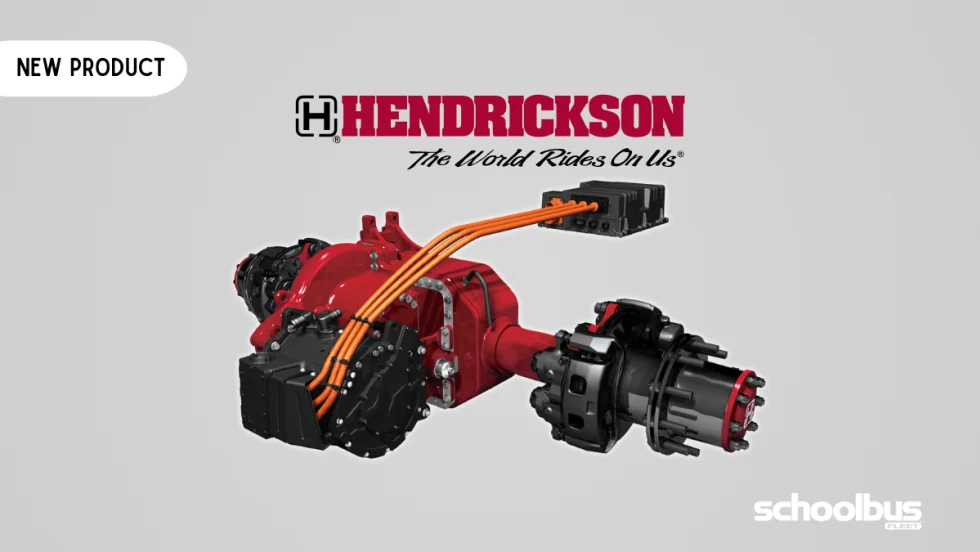
Hendrickson, Driventic Introduce New Electric Powertrain for School Buses
ELECTRAAX, the electrified, lightweight drive axle offers integrated ePowertrain efficiency and modular flexibility for Class 6–7 school bus use.
Read More →
The Mobility House Joins PowerFlex in Fleet Electrification Deal
The acquisition combines intelligent charging software, bidirectional charging expertise, and fleet electrification services to support the growing adoption of electric school buses across North America.
Read More →
Alt-Fuel Moves: Electric School Bus Investments Hit the Road
See which districts across the U.S. are putting electric school buses into service, expanding charging infrastructure, and planning the next phase of fleet electrification.
Read More →
With Fuel Volatility Ahead, School Districts Turn to Propane
While diesel prices peaked above $5 this spring, districts with propane autogas-powered fleets paid under $2 per gallon, according to PERC.
Read More →
EPA Unveils Proposed Changes to 2027 Heavy-Duty Engine Rules
The federal agency has proposed changes to next year’s targets that would eliminate DEF derates, ease warranty requirements, and retain current NOx emissions standards.
Read More →
Alt-Fuel Moves: EV Charging & Infrastructure Projects Gain Momentum
The latest developments include new funding, charging infrastructure, utility investments, and fleet technologies designed to support the transition to electric school buses nationwide.
Read More →