




Webasto Introduces Lightweight, Compact Air Cleaners with Medical-Grade HEPA-14 Filtration
Until now, HEPA-14 filtration systems have been large and unwieldy, and there were no retrofit units on the market that would universally fit existing ambulances, transit vehicles, school buses, and crewed work trucks.
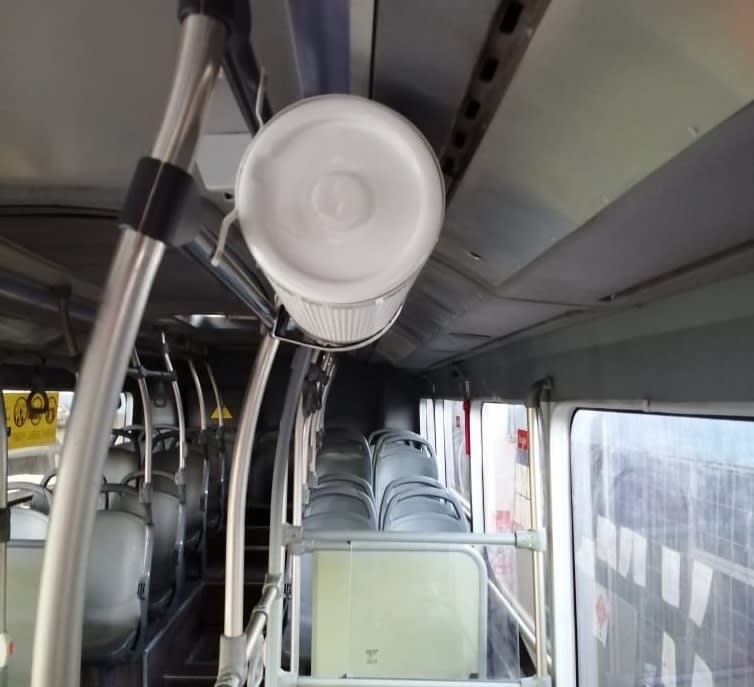
With their high-efficiency HEPA-14 filters, the HFT 300 and HFT 600 remove 99.995% of airborne particles equal to or greater than 0.3 microns.
Webasto
Webasto North America is introducing HFT 300 and HFT 600 high-efficiency air cleaners. The lightweight, compact, and cylindrical units use medical-grade HEPA-14 filtration media and can be installed almost anywhere inside vehicles and in other confined spaces where people may be sharing interior air.
The COVID-19 pandemic has brought with it an increased awareness of human respiration and its role in the transmission of disease. The enclosed environments of vehicles used to transport people now pose a health risk to operators and passengers alike. Emergency personnel in ambulances, commuters using public transportation, children riding on school buses, work crews in transit to jobsites, and their respective drivers all face an elevated risk of infection simply by breathing in close physical proximity to one another.
Until now, HEPA-14 filtration systems have been large and unwieldy, and there were no retrofit units on the market that would universally fit existing ambulances, transit vehicles, school buses, and crewed work trucks. With their high-velocity, twin-axial fan motors, Webasto’s new air cleaners have rapid air exchange rates that can meet or exceed WHO, CDC, and ECDC guidelines for ambulances. The HFT 300 delivers up to five cubic meters of purified air per minute or 300 cubic meters per hour. The HFT 600 can process and clean up to 10 cubic meters of air per minute or 600 cubic meters per hour.
“Webasto’s HFT 300 and HFT 600 high-efficiency air cleaners provide fleet operators with a practical, immediate and reliable solution for vehicles in service and on the road today,” said Matt Wheeler, head of HVAC Light & Medium Duty for Webasto North America. “Our HFT units don’t impact a vehicle’s existing HVAC system and can complement other pathogen mitigation systems that come up short in meeting CDC, WHO and ECDC air-change recommendations. Their compact size, quiet operation, robust design and ease of installation enables them to be rapidly deployed, providing prophylactic air purification protection for large populations of vehicles — today.”
With their high-efficiency HEPA-14 filters, the HFT 300 and HFT 600 remove 99.995% of airborne particles equal to or greater than 0.3 microns. A single intake port is located on one end of the unit and decontaminated air is released in all directions, around its circumference. Each unit’s filter monitoring feature senses when its filter needs to be changed and an LED light alerts users when it’s time for maintenance. Most filters should be expected to last between six to 12 months.
Filter changes are fast, simple, and safe; and a filter-handling tool provided with each replacement filter helps isolate and contain contaminants during filter replacement and disposal. Both HFT 300 and HFT 600 systems use commercially available, cylindrical H14 filters. Their rugged design, leak-free operation and two-part seal make the HFT 300 and HFT 600 suitable for a wide variety of applications.
The lightweight HFT 300 and HFT 600 high-efficiency air cleaners have integrated mounting brackets and were designed for ease of retrofitting. Both models are compatible with 12- and 24-volt electrical systems and optional wire harness kits, including mating connectors, fuse, fuse holder, and ring terminals, are also available.
“Our HEPA-14 air cleaners provide the medical-grade atmospheric filtration that is universally accepted as a key to eliminating pathogens from interior environments,” Wheeler said. “And although they can’t replace appropriate personal protective equipment and social distancing in the fight against the coronavirus and other infectious agents, they can provide a vital means of risk reduction in the battle."
Originally posted on Metro
More Safety

How to Build a Better School Bus Driver Training Program
Is it time to strengthen your driver training? Here’s how to pick the right talent and improve recruitment, retention, and safety. This video is brought to you by IC Bus.
Read More →
Recent School Bus Accidents Leave 2 Dead, 2 Injured
Four school bus crashes in Florida, Illinois, and Georgia highlight risks in transportation lots, at bus stops, and during student loading and unloading.
Read More →
When Every Second Matters, Clarity Keeps Routes Moving
From routine delays to urgent incidents, strong communication practices help drivers, dispatchers, schools, and families respond with confidence.
Read More →

What Happens When a School Bus Catches Fire — and What Can Help
School bus fires are rare but can be devastating. Learn how advances in fire suppression and asset protection help fleets detect fires earlier, reduce damage, and improve safety.
Read More →
Geotab Launches Tool to Help Fleets Investigate Road Incidents
Geotab Investigations combines telematics data, video, documents, and other evidence to help fleets reconstruct incidents, resolve claims, and determine what happened.
Read More →
Texas Sixth Grader Wins 2026 National School Bus Safety Poster Contest
Sai Darshana Yekolu of Moseley Middle School in Prosper, Texas, was named the newest winner for her artwork, bringing the theme of “Safe Rides, Everyday Heroes” to life.
Read More →
Doing More With Less: How Transportation Directors Can Prioritize Safety Amid Budget Uncertainty
With diesel prices soaring and nearly one-third of transportation directors expecting budget cuts, maintaining student safety has never been more challenging. Download this guide to learn how leading districts are prioritizing risk, funding critical safety technology, and building stronger budget cases with data.
Read More →
Walton County Schools Adds Gatekeeper Stop-Arm Enforcement System
The Florida district will deploy Gatekeeper’s updated Student Protector technology, which now incorporates AI to improve video evidence.
Read More →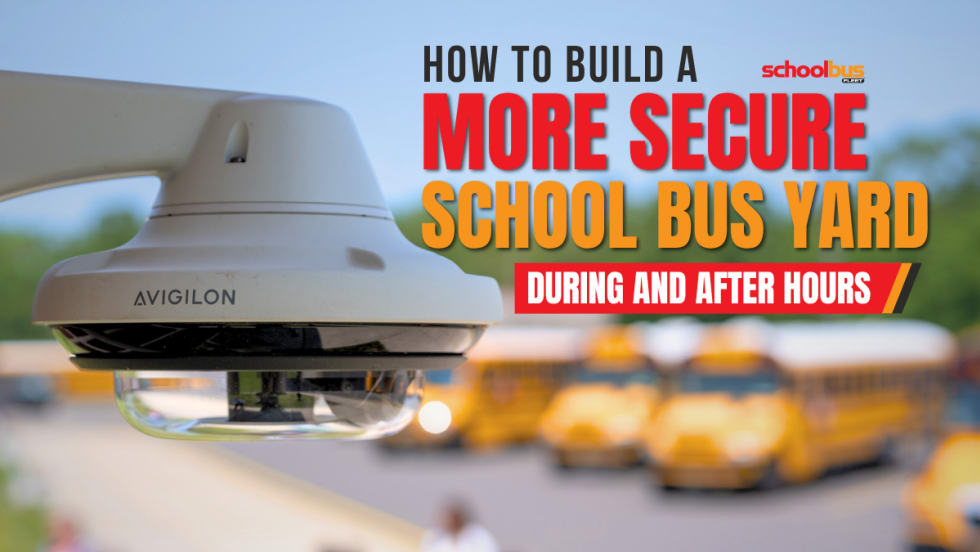
How To Build a More Secure School Bus Yard During and After Hours
As thefts and overnight security threats continue, school transportation leaders are combining stronger operational practices with AI-enabled surveillance to better protect buses, facilities, and staff.
Read More →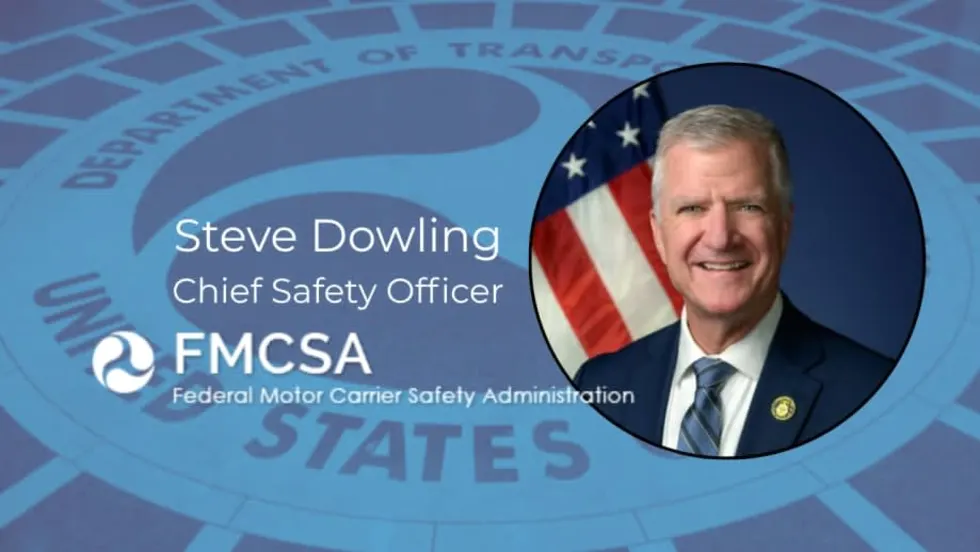
FMCSA Names New Chief Safety Officer: What School Bus Operators Should Know
Steve Dowling is set to lead the federal agency's efforts to advance commercial motor vehicle safety and reduce crashes, fatalities, and injuries on the nation's roadways.
Read More →