




Washington Transportation Co-op Adds New School Bus Tech, Safety Procedures
KWRL, which provides school bus service for four of the state’s school districts, enhances its cleaning protocols and transitions its operations to a new paperless, digital recordkeeping system.
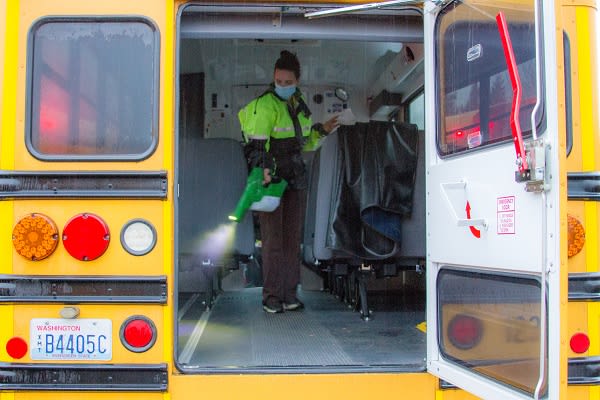
Mary Martin, one of KWRL’s bus drivers, volunteered to take on the extra work of disinfecting buses at the end of each day, fogging each bus with electrostatic sprayers.
Photo courtesy Eric Jacobson, Woodland (Wash.) Public Schools
A transportation cooperative for four Washington school districts has employed new school bus technology and cleaning protocols to ensure students are safe during the pandemic.
KWRL, which provides transportation service for Kalama, Woodland, Ridgefield, and La Center school districts, sanitizes each of its school buses using electrostatic fogging sprayers that spray an evaporating cleaning solution, according to a news release posted on Woodland Public Schools website. The solution reportedly cleans every surface on each school bus, including the underside of the bus’s seats.
“Our approach to everything had to change when the pandemic started,” said Shannon Barnett, KWRL’s transportation director, in the news release. “We purchased the equipment for deep cleaning the instant COVID-19 hit so we could prepare for what might come our way.”
In addition to the electrostatic spray, bus drivers are required to thoroughly disinfect high-touch points on their bus such as handrails, driver seats, steering wheels, and driver controls after each route.
Mary Martin, one of KWRL’s bus drivers, volunteered to take on the extra work of disinfecting buses at the end of each day, mixing the cleaning solution and fogging each bus with the electrostatic sprayers, according to Woodland Public Schools. Martin can reportedly sanitize up to 25 to 30 buses in about half an hour.
KWRL has also introduced several new onboard safety rules for students, including wearing masks, keeping windows partially open for improved airflow, and prohibiting food and beverages on board. Drivers must also keep detailed seating charts to know which students rode the bus and where they sat that day to help with contact tracing, Barnett told the district.
In December, prior to the pandemic, KWRL transitioned its entire operations to a paperless, digital recordkeeping system. The system, which was developed by Woodland Public Schools information technology services, helped make scheduling routes during the pandemic — with hybrid learning schedules and other school programs requiring transportation — much easier, according to Barnett. He also said that collaborating with all four school districts helped streamline scheduling and routing.
“All of our drivers use portable computer tablets to log their routes, track passengers, perform health attestations, and check their work email,” Barnett said. “Going paperless has dramatically improved efficiency — we save dozens of work hours spent of data entry time each week when staff had to transpose our drivers’ written notes into our computer databases, plus going digital removed any errors from difficult-to-read handwriting or ink smudges.”
Additionally, bus drivers use the portable tablets to submit maintenance requests directly to the mechanics.
While the digital transition improved customer service for students and families, Barnett said that he appreciates his transportation staff for going the extra mile, ensuring students get to and from school and have meal delivery during the pandemic.
“We have a very dedicated group of drivers and have seen excellent participation from each of them during this time,” he said. “We are truly blessed to have such outstanding staff.”
More Safety

How to Build a Better School Bus Driver Training Program
Is it time to strengthen your driver training? Here’s how to pick the right talent and improve recruitment, retention, and safety. This video is brought to you by IC Bus.
Read More →
Recent School Bus Accidents Leave 2 Dead, 2 Injured
Four school bus crashes in Florida, Illinois, and Georgia highlight risks in transportation lots, at bus stops, and during student loading and unloading.
Read More →
When Every Second Matters, Clarity Keeps Routes Moving
From routine delays to urgent incidents, strong communication practices help drivers, dispatchers, schools, and families respond with confidence.
Read More →

What Happens When a School Bus Catches Fire — and What Can Help
School bus fires are rare but can be devastating. Learn how advances in fire suppression and asset protection help fleets detect fires earlier, reduce damage, and improve safety.
Read More →
Geotab Launches Tool to Help Fleets Investigate Road Incidents
Geotab Investigations combines telematics data, video, documents, and other evidence to help fleets reconstruct incidents, resolve claims, and determine what happened.
Read More →
Texas Sixth Grader Wins 2026 National School Bus Safety Poster Contest
Sai Darshana Yekolu of Moseley Middle School in Prosper, Texas, was named the newest winner for her artwork, bringing the theme of “Safe Rides, Everyday Heroes” to life.
Read More →
Doing More With Less: How Transportation Directors Can Prioritize Safety Amid Budget Uncertainty
With diesel prices soaring and nearly one-third of transportation directors expecting budget cuts, maintaining student safety has never been more challenging. Download this guide to learn how leading districts are prioritizing risk, funding critical safety technology, and building stronger budget cases with data.
Read More →
Walton County Schools Adds Gatekeeper Stop-Arm Enforcement System
The Florida district will deploy Gatekeeper’s updated Student Protector technology, which now incorporates AI to improve video evidence.
Read More →
How To Build a More Secure School Bus Yard During and After Hours
As thefts and overnight security threats continue, school transportation leaders are combining stronger operational practices with AI-enabled surveillance to better protect buses, facilities, and staff.
Read More →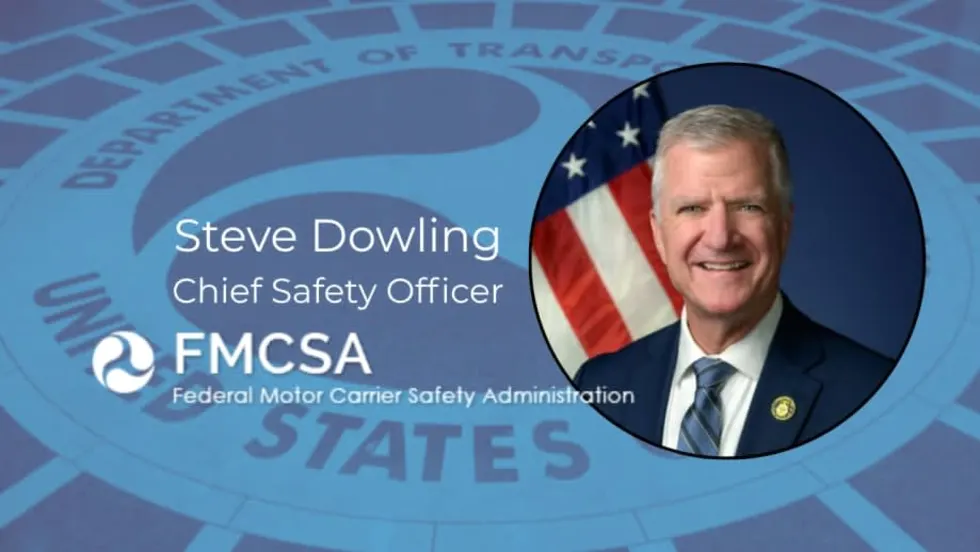
FMCSA Names New Chief Safety Officer: What School Bus Operators Should Know
Steve Dowling is set to lead the federal agency's efforts to advance commercial motor vehicle safety and reduce crashes, fatalities, and injuries on the nation's roadways.
Read More →