




Traffic fatalities hit historic low
The number and rate of U.S. traffic deaths in 2010 dropped to the lowest levels since 1949. Still, Transportation Secretary Ray LaHood says that “too many of our friends and neighbors are killed in preventable roadway tragedies every day.”

WASHINGTON, D.C. — The number and rate of U.S. traffic fatalities in 2010 fell to the lowest levels since 1949, despite a significant increase in the number of miles Americans drove during the year, the federal government announced on Friday.
“Last year's drop in traffic fatalities is welcome news, and it proves that we can make a difference,” U.S. Transportation Secretary Ray LaHood said. “Still, too many of our friends and neighbors are killed in preventable roadway tragedies every day. We will continue doing everything possible to make cars safer, increase seat belt use, put a stop to drunk driving and distracted driving, and encourage drivers to put safety first.”
According to the National Highway Traffic Safety Administration's (NHTSA) early projections, the number of traffic fatalities fell 3 percent from 2009 to 2010, from 33,808 to 32,788. The deaths have dropped 25 percent since 2005, when the total was 43,510.
The decrease in the number of fatalities in 2010 occurred despite an estimated increase of nearly 21 billion miles in national vehicle miles traveled.
NHTSA also projects that the fatality rate will be the lowest recorded since 1949, with 1.09 fatalities per 100 million vehicle miles traveled, down from the 1.13 fatality rate for 2009.
“The decrease in traffic fatalities is a good sign, but we are always working to save lives,” NHTSA Administrator David Strickland said. “NHTSA will continue pressing forward on all of our safety initiatives to make sure our roads are as safe as they can possibly be.”
Officials from the Department of Transportation (which includes NHTSA) said that it has taken a comprehensive approach to reducing roadway fatalities by promoting strong traffic safety laws coupled with high-visibility enforcement, and through rigorous vehicle safety programs and public awareness campaigns.
To view the NHTSA statistical projections of traffic fatalities in 2010, including regional estimates, go here.
More Management

The Back-to-School Checklist Every Director Should Complete Before the First Bell
Help your transportation team start the school year strong with these tips for contingency planning, communication, fleet visibility, technology, and trip management.
Read More →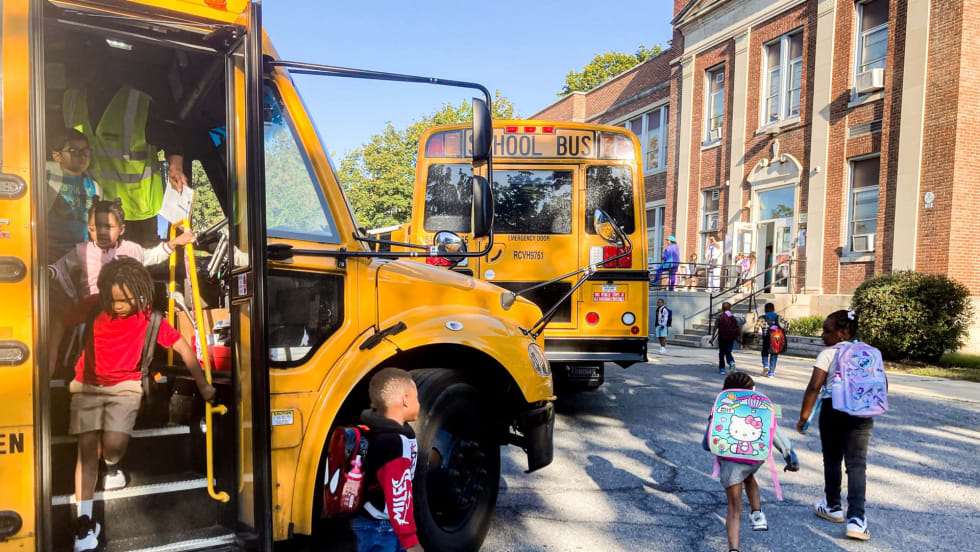
How a New York District Cut Nearly $1M in Transportation Costs While Expanding Bus Access
A data-driven overhaul with BusRight reduced Poughkeepsie City School District's planned routes from 26 to 17 while extending school bus service to about 1,200 additional students.
Read More →
Budgets Down, Enrollment Shifting: What the Data Says Districts Should Watch
School transportation departments face two converging challenges this year: tightening budgets and shifting enrollment. Most districts still address these issues separately, but the assumption that either trend will simplify operations is proving incorrect.
Read More →
These 8 School Transportation Companies Made the 2026 Inc. 5000 List
Find out which school transportation contractors, technology providers, and suppliers ranked among America’s fastest-growing private companies.
Read More →
The Link Between Emotional Intelligence and School Bus Safety
How can emotional intelligence help transportation pros navigate stress, manage change, and build stronger relationships? Listen to find out.
Read More →
What Emotional Intelligence Has to Do With School Bus Safety
In this video, discover how emotional intelligence can help transportation leaders and drivers navigate stress, manage change, and build stronger relationships. The Route is sponsored by IC Bus.
Read More →
Beyond Two-Way Radios: School Bus Communications Evolve With Push-to-Talk Over Cellular
PRYME Radio and PositionPTT join forces to advance hands-free radio use and reduce distracted driving. See how PoC compares with traditional radios on range, cost, safety, and connectivity.
Read More →
Have School Districts Adapted to Bus Driver Shortages or Simply Accepted Less Service?
According to a recent report from HopSkipDrive, many districts appear to have recalibrated what "normal" transportation service looks like.
Read More →
Reliable Transportation Linked to Better Student Outcomes, New EverDriven Study Finds
See why new research suggests transportation consistency improves student outcomes while influencing attendance, funding, IEP compliance, and family trust.
Read More →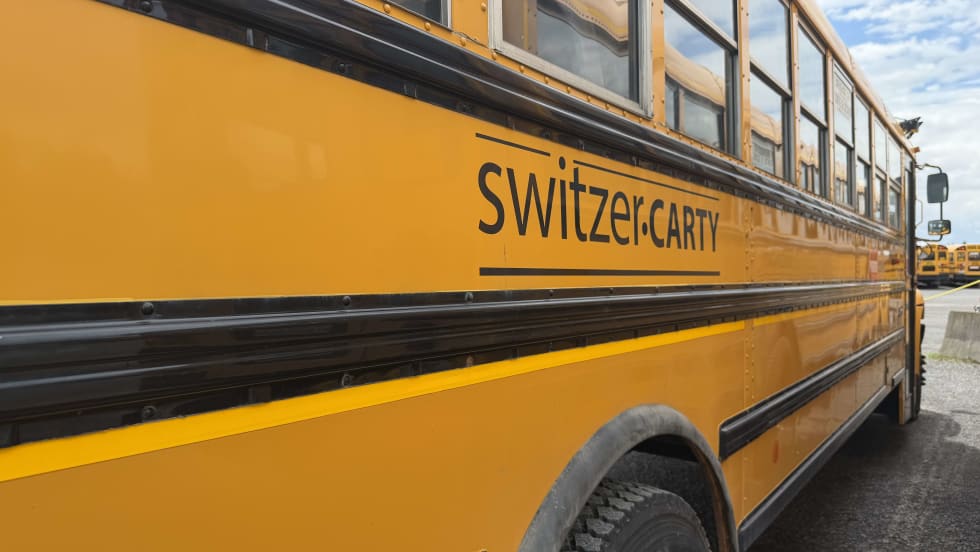
Switzer-CARTY Enters the U.S. with New Acquisition
The Canadian contractor’s acquisition of Minnesota-based Agnes Corporation marks its first cross-border expansion into the United States and adds 350 vehicles.
Read More →