




Thomas Built to develop CNG-fueled Type C
The school bus manufacturer announces at the NAPT Summit that it will develop a Saf-T-Liner C2 powered by compressed natural gas. Also, Thomas Built’s new propane Type A is now in production, and its propane Type C is expected to be available next year.

MEMPHIS, Tenn. — Thomas Built Buses will develop a compressed natural gas (CNG)-fueled Saf-T-Liner C2 school bus, company officials announced at the National Association for Pupil Transportation Summit here.
The company plans to utilize the Cummins Westport ISB6.7 G, a mid-range 6.7 liter natural gas engine, currently in development and expected to be available in 2015.
Thomas Built’s green vehicle lineup also includes the Saf-T-Liner C2e diesel-electric hybrid, propane-fueled Minotour and Saf-T-Liner HDX CNG models. A propane-fueled offering of the Saf-T-Liner C2 bus is expected to be available in 2013.
Thomas Built launched its Type D rear-engine Saf-T-Liner HDX school bus with CNG in 1992. Since then, the company has put more than 1,300 HDX CNG buses on the road and has seen demand increase in the last five years. The Thomas Built HDX CNG school bus releases up to 20% less greenhouse gas emissions than diesel engines, company officials said.
The ISB6.7 G engine will be based on the Cummins ISB6.7 diesel engine and will use Cummins Westport’s spark-ignited, stoichiometric-cooled exhaust gas recirculation technology. The ISB6.7 G, which is expected to be in production by 2015, will be designed to meet EPA and California Air Resources Board (CARB) regulations in force when it is launched.
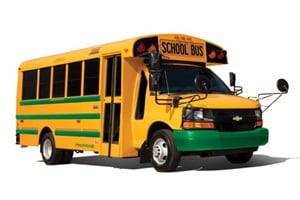
Thomas Built announced that its new propane Type A Minotour is now in production.
Thomas Built also announced that its new propane Type A Minotour is now in production.
“At Thomas Built, we want to produce a full line of buses that exceed current environmental standards,” President and CEO Kelley Platt said. “As the demand grows for sustainable transportation solutions, Thomas Built Buses is at the forefront of offering a robust line of alternative-powered vehicles, including compressed natural gas, diesel-electric hybrid and propane technology. Thomas Built was the first and remains the only school bus manufacturer that is completely ‘Zero-Waste-to-Landfill,’ building every bus with a high level of environmental standards.”
The Thomas Built Minotour seats up to 30 passengers, which company officials said makes it an excellent choice for schools, childcare centers and churches. The propane option is available on the 159-inch dual rear wheel model with a GVWR of 14,200 lbs. Powered by a GM 6.0 liter liquid propane gas engine with fully integrated CleanFUEL USA liquid propane injection system, the three-tank setup has an estimated 315-mile range and a gas gallon equivalent of 35 gallons.
The propane-fueled Minotour is CARB-certified and exceeds EPA 2010 emissions requirements. Thomas Built officials pointed to several advantages of using propane: It is cheaper than gasoline and diesel, it creates less emissions and more than 90 percent of the propane used in the U.S. is domestically produced. The also said that setting up propane fueling infrastructure is “an easy and relatively low-cost proposition.”
Thomas Built has already delivered its first two propane-fueled Minotour buses to Student Transportation Inc.
More Alternative Fuels
Alt-Fuel Moves: Electric Bus Rollouts, Bidirectional Charging & Propane Growth
See which fleets are adding electric and propane school buses as districts and operators invest in charging infrastructure, bidirectional technology, and alternative-fuel expansion.
Read More →
Nobody Told Diesel Prices They Were Supposed to Come Down
With diesel prices surging, school bus fleets have new reason to stress-test fuel costs, consider diversification, and calculate what each route really costs to operate.
Read More →
Why Gasoline School Buses Are Making a Comeback
Gasoline is gaining ground in full-size school buses. See how today’s options stack up against diesel on cost, maintenance, emissions, performance, and more.
Read More →
EPA Opens $180M DERA Funding Round for Diesel Upgrades
The 2026 Diesel Emissions Reduction Act program seeks applications from eligible organizations to accelerate the retirement of legacy diesel vehicles.
Read More →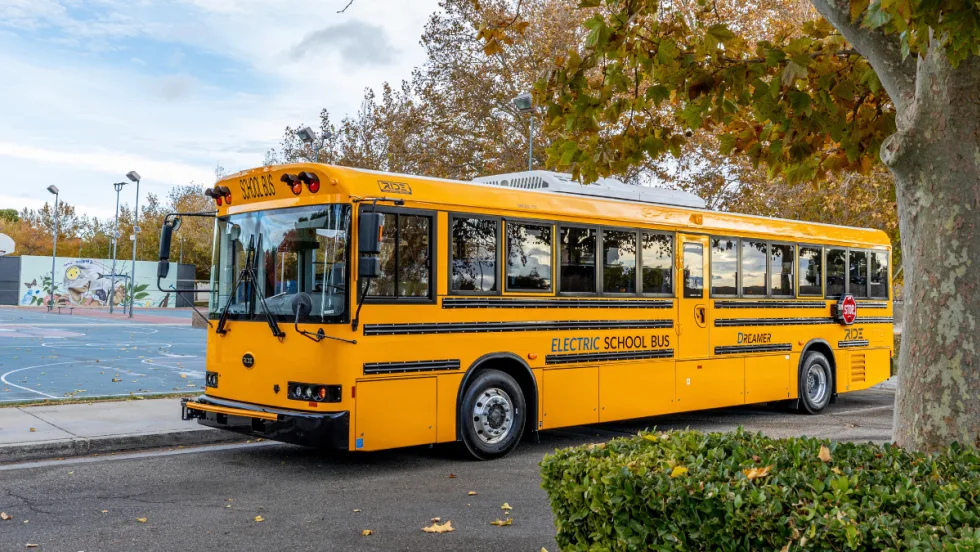
The Secret Life of an Electric School Bus Battery
Batteries change throughout years of daily routes, but degradation doesn’t necessarily mean the end. Here’s what operators should know about performance, safety, and second life.
Read More →
CALSTART and Forth Combine to Form Catalyst Mobility
The new name represents a renewed vision for the nonprofit focused on advancing clean, equitable, and affordable transportation solutions that move people and goods.
Read More →
Alt-Fuel Moves: New Buses, Charging Hubs & Real-World EV Testing
Propane and electric school bus deployments continue to grow as districts add new vehicles, expand charging infrastructure, and gather more real-world operating data.
Read More →
Fewer Electric School Bus Models Reshape the U.S. Market
WRI’s latest buyer’s guide points to a consolidating electric school bus market, but fewer options may reflect a maturing industry rather than fewer meaningful choices for school bus operators.
Read More →
The Fuel Budget You Can Actually Predict: How Propane Autogas Keeps Money in the Classroom
Learn how propane autogas helps school districts manage fuel costs with predictable pricing, lower maintenance, and reduced emissions from former transportation director Joel Stutheit.
Read More →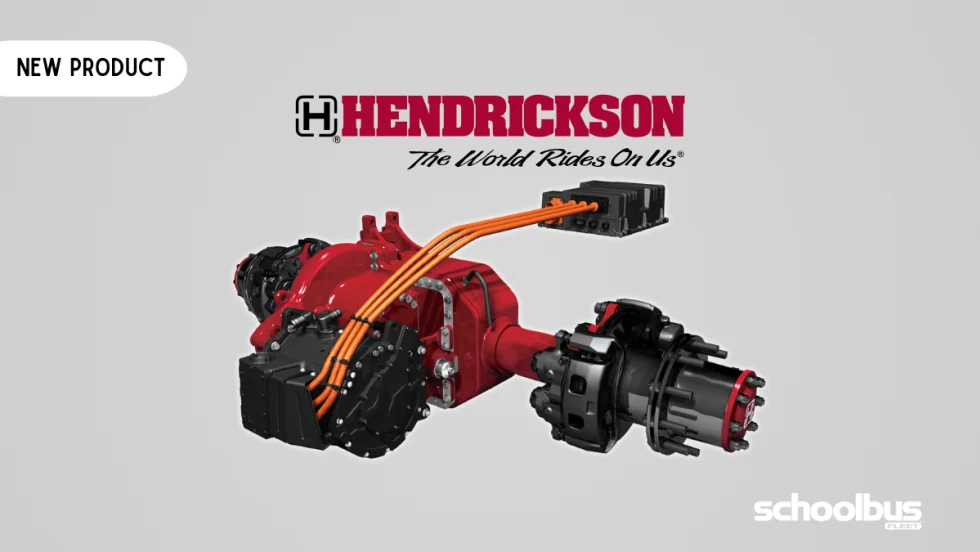
Hendrickson, Driventic Introduce New Electric Powertrain for School Buses
ELECTRAAX, the electrified, lightweight drive axle offers integrated ePowertrain efficiency and modular flexibility for Class 6–7 school bus use.
Read More →