




Thomas Built Buses Secures California Agency Certification, Grant Funding for Electric School Bus
The school bus manufacturer's Saf-T-Liner C2 Jouley electric bus receives certification and eligibility for grant funding from two California agencies.


Thomas Built Buses recently received certification and eligibility for grant funding for its Saf-T-Liner C2 Jouley electric school bus (shown here).
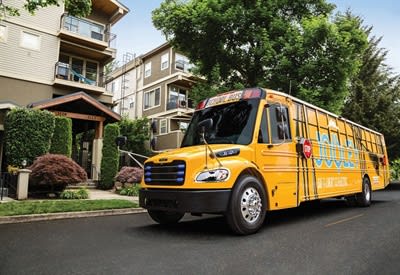
Thomas Built Buses recently received certification and eligibility for grant funding for its Saf-T-Liner C2 Jouley electric school bus (shown here).
HIGH POINT, N.C. — Thomas Built Buses’ electric school bus recently received certification and eligibility for grant funding from two California agencies.
The Saf-T-Liner C2 Jouley electric bus, powered by Proterra, was granted full certification from the California Air Resources Board (CARB) and Hybrid and Zero-Emission Truck and Bus Voucher Incentive Project (HVIP), according to a news release from the school bus manufacturer.
“With these certifications, we are one step closer to making electric school buses viable for the school bus market,” said Caley Edgerly, president and CEO of Thomas Built Buses. “While this milestone is worth celebrating, we continue to work with proven leaders in the industry, like Proterra and our parent company Daimler Trucks North America, to create the best product possible for the school bus market.”
Edgerly added that over the past few months, Thomas Built Buses has been piloting Jouley with individual drivers, school districts, and local agencies.
Jouley, which has up to 220 kilowatt-hour (kWh) of total energy capacity, can charge in about three hours with the Proterra DC charging system and can travel up to 120 miles depending on its operating conditions, according to the school bus OEM.
“School buses are a great application for battery-electric vehicle technology and we’re excited to bring our industry-leading battery systems to the most popular Thomas Built Buses vehicle,” said Ryan Popple, CEO of Proterra. “In addition to greater efficiency and lower operating costs, electric school buses have zero tailpipe emissions, which eliminates exhaust emissions and benefits our communities and our children.”
The Saf-T-Liner C2 Jouley will be assembled at Thomas Built Buses’ zero-waste-to-landfill facility in High Point, N.C. Production for demonstration and innovation vehicles will begin this year and commercial production is expected to begin in 2020, according to the manufacturer.
In addition to receiving full certifications, Thomas Built Buses has secured grant funding for Jouley from the California Energy Commission (CEC).
Through the CEC's school bus replacement grant program, California districts wishing to purchase the electric school bus will be eligible for reimbursement of disposed older school buses approved under the program, according to a news release from Thomas Built Buses.
BusWest, the local Thomas Built Buses dealership in California, will assist customers in purchasing Jouley with CEC funds. Part of the Velocity Vehicle Group, BusWest is known for its sales and support throughout the state of California, offering support to customers prior to, during, and following the purchase of an electric school bus.
For more information on how to secure CEC grant funding for Thomas Built Buses’ Saf-T-Liner Jouley electric school bus, go here.
More Alternative Fuels
Bipartisan Bill Seeks to Extend Clean School Bus Program Through 2031
The proposed legislation would renew federal support for cleaner school buses as districts navigate funding uncertainty, rising fuel and infrastructure costs, and fleet replacement needs.
Read More →
Alt-Fuel Moves: Electric Bus Rollouts, Bidirectional Charging & Propane Growth
See which fleets are adding electric and propane school buses as districts and operators invest in charging infrastructure, bidirectional technology, and alternative-fuel expansion.
Read More →
Nobody Told Diesel Prices They Were Supposed to Come Down
With diesel prices surging, school bus fleets have new reason to stress-test fuel costs, consider diversification, and calculate what each route really costs to operate.
Read More →
Why Gasoline School Buses Are Making a Comeback
Gasoline is gaining ground in full-size school buses. See how today’s options stack up against diesel on cost, maintenance, emissions, performance, and more.
Read More →
EPA Opens $180M DERA Funding Round for Diesel Upgrades
The 2026 Diesel Emissions Reduction Act program seeks applications from eligible organizations to accelerate the retirement of legacy diesel vehicles.
Read More →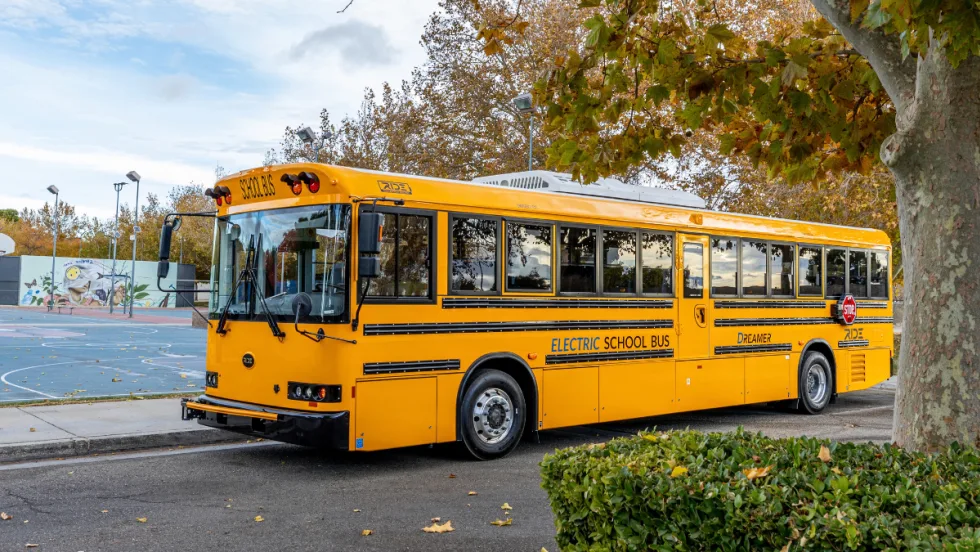
The Secret Life of an Electric School Bus Battery
Batteries change throughout years of daily routes, but degradation doesn’t necessarily mean the end. Here’s what operators should know about performance, safety, and second life.
Read More →
CALSTART and Forth Combine to Form Catalyst Mobility
The new name represents a renewed vision for the nonprofit focused on advancing clean, equitable, and affordable transportation solutions that move people and goods.
Read More →
Alt-Fuel Moves: New Buses, Charging Hubs & Real-World EV Testing
Propane and electric school bus deployments continue to grow as districts add new vehicles, expand charging infrastructure, and gather more real-world operating data.
Read More →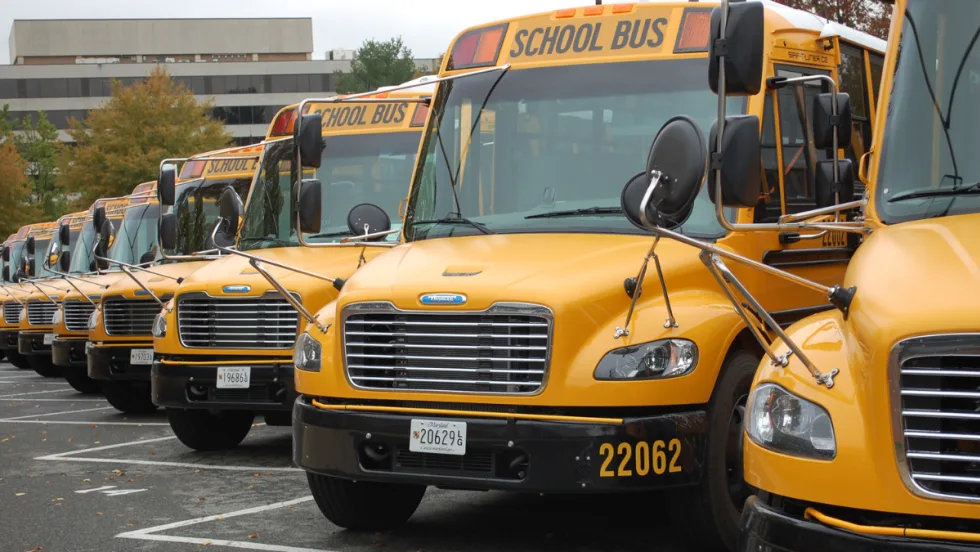
Fewer Electric School Bus Models Reshape the U.S. Market
WRI’s latest buyer’s guide points to a consolidating electric school bus market, but fewer options may reflect a maturing industry rather than fewer meaningful choices for school bus operators.
Read More →
The Fuel Budget You Can Actually Predict: How Propane Autogas Keeps Money in the Classroom
Learn how propane autogas helps school districts manage fuel costs with predictable pricing, lower maintenance, and reduced emissions from former transportation director Joel Stutheit.
Read More →