




Texas Troopers Target Stop-Arm Violations
During School Bus Safety Week, state troopers are riding on or following school buses to catch motorists who illegally pass them.

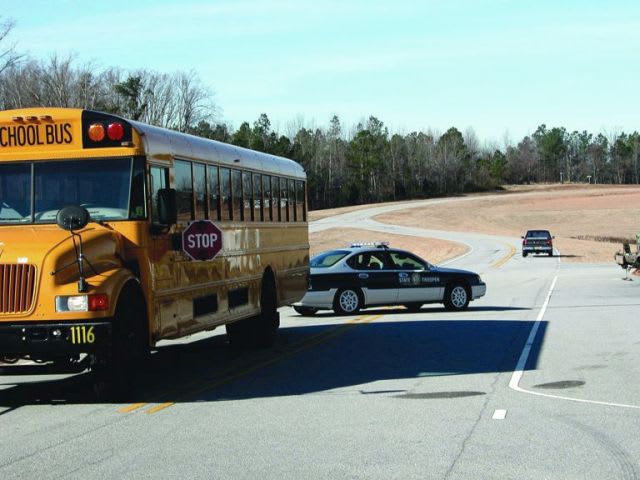
During School Bus Safety Week, Texas state troopers will be riding on or following school buses to catch motorists who illegally pass them. [Photo from North Carolina Operation Stop Arm]
During School Bus Safety Week, Texas state troopers will be riding on or following school buses to catch motorists who illegally pass them. [Photo from North Carolina Operation Stop Arm]
AUSTIN, Texas — For National School Bus Safety Week, the Texas Department of Public Safety (DPS) is urging drivers to comply with laws prohibiting the passing of school buses.
This week, Texas Highway Patrol troopers will be watching for drivers who violate the law and will take the appropriate enforcement action, according to DPS. Drivers who illegally pass school buses could face fines of up to $1,250.
In 2015 and year-to-date in 2016, Texas Highway Patrol troopers have issued 1,093 tickets for passing stopped school buses. According to the Texas Department of Transportation, failure to stop for a school bus was a contributing factor in 45 traffic crashes on Texas roadways last year.
"Any time a driver disregards a stopped school bus, they put children's lives in danger, and DPS will not tolerate individuals who ignore the law," DPS Director Steven McCraw said. "In order to help keep children safe, we urge drivers to always obey the law and remain alert when traveling near a school bus or bus stops where students gather."
During National School Bus Safety Week, troopers in many areas of Texas will be riding on or following school buses to catch motorists who break the law. Troopers will also be patrolling areas where school buses pick up and drop off students.
"The safety of our schoolchildren is always a priority at the Texas Education Agency,” said Mike Morath, Texas commissioner of education. “We appreciate the dedication by Texas Highway Patrol troopers during National School Bus Safety Week — and throughout the entire year — to help ensure our students have a safe trip to and from school."
According to the Texas Education Agency, more than 42,000 school buses transport about 1.5 million Texas children every school day.
More Safety
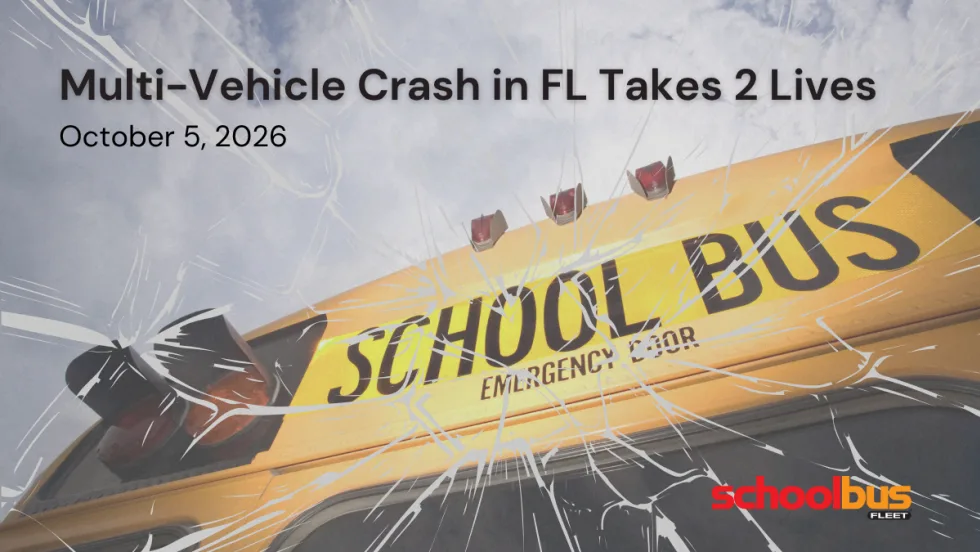
2 Killed, Dozens Injured in Florida School Bus Crash
A multi-vehicle collision caused a Polk County school bus carrying 37 students to overturn on its way to Winter Haven High School.
Read More →
Illegal School Bus Passing Drops 24% in New York Districts
With fewer than 5% of citations involving repeat offenders, Westchester County officials said enforcement, education, and community partnerships are helping change driver behavior.
Read More →
School's Back. Here's What Happened to Traffic, Speeding & Distraction
What happens to traffic when school resumes? New data analysis examines changes in distracted driving, congestion, and speeding around schools.
Read More →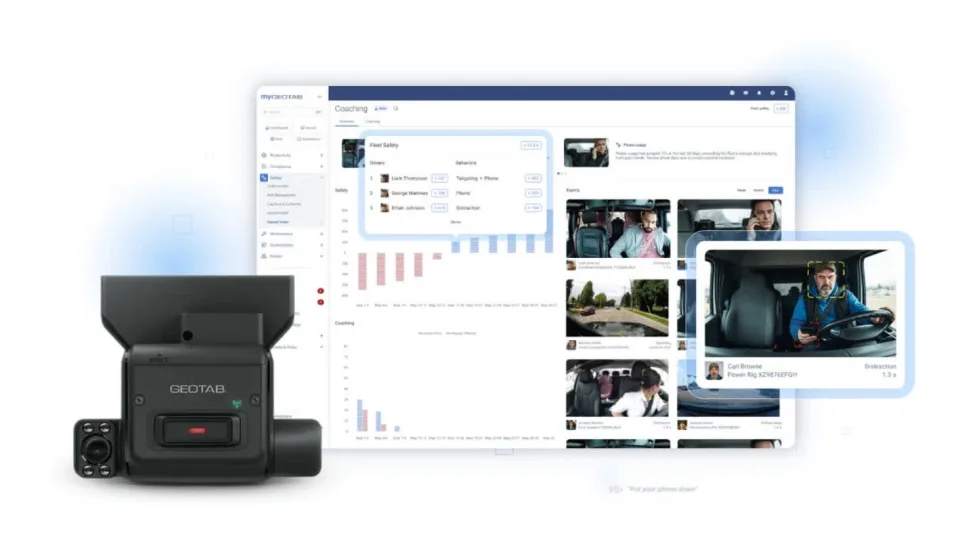
Geotab Expands Fleet Safety Tools With Video Coaching, Risk Insights
New safety and video capabilities aim to help fleet managers assess risk, support drivers, and take targeted action through video coaching, red-light violation detection, and more.
Read More →
How to Build a Better School Bus Driver Training Program
Is it time to strengthen your driver training? Here’s how to pick the right talent and improve recruitment, retention, and safety. This video is brought to you by IC Bus.
Read More →
Recent School Bus Accidents Leave 2 Dead, 2 Injured
Four school bus crashes in Florida, Illinois, and Georgia highlight risks in transportation lots, at bus stops, and during student loading and unloading.
Read More →
When Every Second Matters, Clarity Keeps Routes Moving
From routine delays to urgent incidents, strong communication practices help drivers, dispatchers, schools, and families respond with confidence.
Read More →
What Happens When a School Bus Catches Fire — and What Can Help
School bus fires are rare but can be devastating. Learn how advances in fire suppression and asset protection help fleets detect fires earlier, reduce damage, and improve safety.
Read More →
Geotab Launches Tool to Help Fleets Investigate Road Incidents
Geotab Investigations combines telematics data, video, documents, and other evidence to help fleets reconstruct incidents, resolve claims, and determine what happened.
Read More →
Texas Sixth Grader Wins 2026 National School Bus Safety Poster Contest
Sai Darshana Yekolu of Moseley Middle School in Prosper, Texas, was named the newest winner for her artwork, bringing the theme of “Safe Rides, Everyday Heroes” to life.
Read More →