




Texas district unveils bio-fuel school bus
DALLAS — Last week, Dallas County Schools (DCS) unveiled its “Fryer Flyer,” a school bus with twin fuel systems — one that carries biodiesel and one ...

DALLAS — Last week, Dallas County Schools (DCS) unveiled its “Fryer Flyer,” a school bus with twin fuel systems — one that carries biodiesel and one that carries waste vegetable oil (WVO).
The bus was built with factory stock items by DCS technicians and includes a computerized switch to maximize fuel efficiency based on engine temperature. The construction of the bus is one facet of the county school district’s plan to convert from operating diesel-powered school buses to ones that run on bio-fuel by developing its own, homegrown fuel source.
DCS President Larry Duncan and the DCS Board of Trustees set alternative fuels as a priority in 2007. “Fuel prices are skyrocketing and air pollution is choking our children,” Duncan said. “Fuel price increases are hurting everyone, from filling your car at the pump to the taxes you pay so our children can take the bus to school. In addition to fouling the atmosphere, tests show that diesel pollution concentrates inside a bus. We are attacking both problems by shifting to bio-fuels.”
Working with Two Podners Restaurant, Frito Lay and an assortment of other food manufacturers, DCS is collecting WVO that has been used to fry foods and is no longer fit for human consumption. This oil is the basis of the district’s alternative diesel fuel program.
While others have used virgin food oil to produce biodiesel, DCS has gone a step further, developing a system that will enable a bus to run on straight WVO. The Fryer Flyer had been in testing for more than a year and a half, and the test phase was recently completed.
Until buses can be converted to this system, all DCS diesel buses are running on biodiesel made from donated waste oil at DCS' facility in Kleberg County.
Of the approximately 1,600 school buses in the fleet, 55 percent are diesel-powered. The other half of the fleet, which was formerly powered by gasoline, is now running on natural gas.
More Alternative Fuels

CALSTART and Forth Combine to Form Catalyst Mobility
The new name represents a renewed vision for the nonprofit focused on advancing clean, equitable, and affordable transportation solutions that move people and goods.
Read More →
Alt-Fuel Moves: New Buses, Charging Hubs & Real-World EV Testing
Propane and electric school bus deployments continue to grow as districts add new vehicles, expand charging infrastructure, and gather more real-world operating data.
Read More →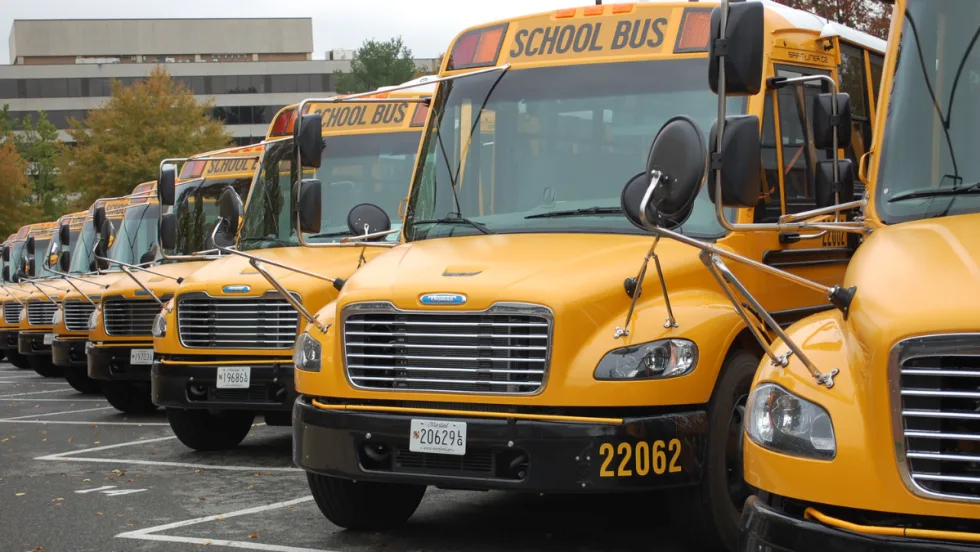
Fewer Electric School Bus Models Reshape the U.S. Market
WRI’s latest buyer’s guide points to a consolidating electric school bus market, but fewer options may reflect a maturing industry rather than fewer meaningful choices for school bus operators.
Read More →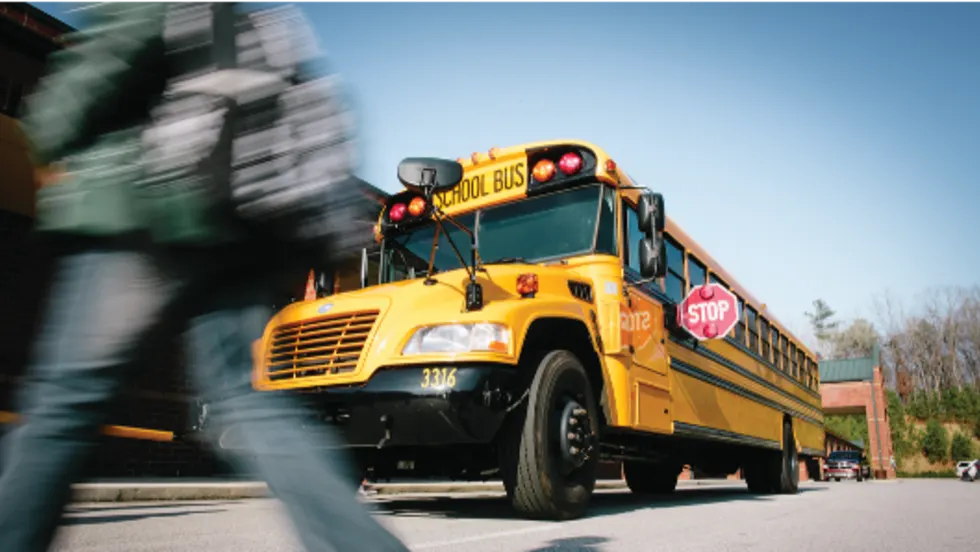
The Fuel Budget You Can Actually Predict: How Propane Autogas Keeps Money in the Classroom
Learn how propane autogas helps school districts manage fuel costs with predictable pricing, lower maintenance, and reduced emissions from former transportation director Joel Stutheit.
Read More →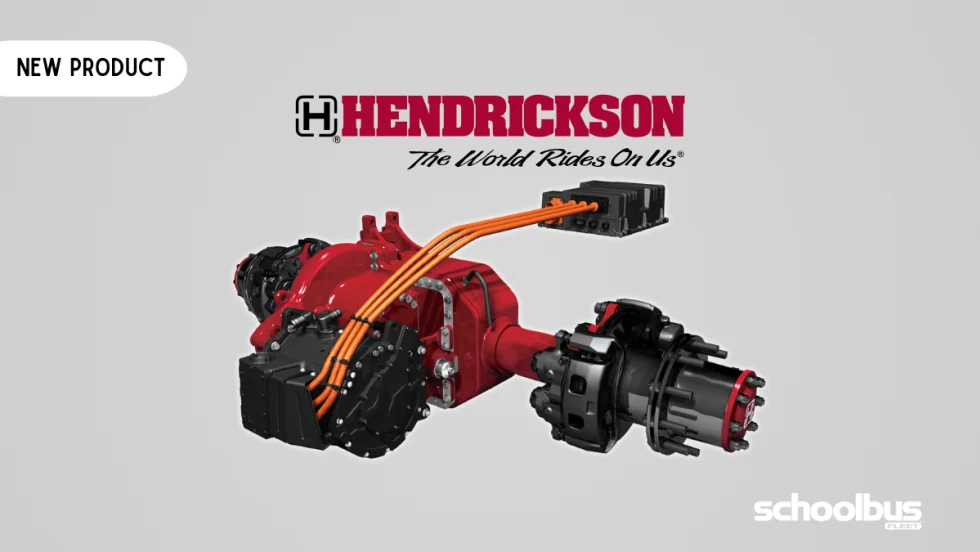
Hendrickson, Driventic Introduce New Electric Powertrain for School Buses
ELECTRAAX, the electrified, lightweight drive axle offers integrated ePowertrain efficiency and modular flexibility for Class 6–7 school bus use.
Read More →
The Mobility House Joins PowerFlex in Fleet Electrification Deal
The acquisition combines intelligent charging software, bidirectional charging expertise, and fleet electrification services to support the growing adoption of electric school buses across North America.
Read More →
Alt-Fuel Moves: Electric School Bus Investments Hit the Road
See which districts across the U.S. are putting electric school buses into service, expanding charging infrastructure, and planning the next phase of fleet electrification.
Read More →
With Fuel Volatility Ahead, School Districts Turn to Propane
While diesel prices peaked above $5 this spring, districts with propane autogas-powered fleets paid under $2 per gallon, according to PERC.
Read More →
EPA Unveils Proposed Changes to 2027 Heavy-Duty Engine Rules
The federal agency has proposed changes to next year’s targets that would eliminate DEF derates, ease warranty requirements, and retain current NOx emissions standards.
Read More →
Alt-Fuel Moves: EV Charging & Infrastructure Projects Gain Momentum
The latest developments include new funding, charging infrastructure, utility investments, and fleet technologies designed to support the transition to electric school buses nationwide.
Read More →