




Study targets condition of nation’s roads
LOS ANGELES — The Reason Foundation last week released its 17th Annual Report on the Performance of State Highway Systems. The study, b...

LOS ANGELES — The Reason Foundation last week released its 17th Annual Report on the Performance of State Highway Systems.
The study, by University of North Carolina Transportation Professor David Hartgen, measures the condition of all state-owned roads and highways from 1984 to 2006.
It also calculates the performance of each state in 12 categories, including pavement and bridge condition, traffic fatalities, congestion, and highway maintenance and administrative costs.
The study found that North Dakota is most effective in maintaining its roads and bridges, while New Jersey has the worst-performing, least cost-effective highway system in the nation.
Massachusetts’ roads were found to be the safest; Montana’s were found to be the deadliest.
Throughout the country, 24.1 percent of bridges are deficient or functionally obsolete, the study says. In Rhode Island, over 53 percent of bridges are deficient.
With regard to traffic, the study found that California fares worst, with an 83-percent congestion rate. Other states’ highways, however, are becoming increasingly jammed: Officials in 18 states reported that at least half of their urban interstates suffer from gridlock.
The Reason Foundation is a nonprofit organization that develops and promotes libertarian principles, including individual liberty and free markets. To download the study, click here.
More Safety
North Carolina Student Killed While Boarding School Bus, Two Die in Utah Bus Crash
A Southern Nash High School student died after being struck by a pickup truck while approaching her school bus. In a separate incident, two people were killed after crashing into a school bus in Utah.
Read More →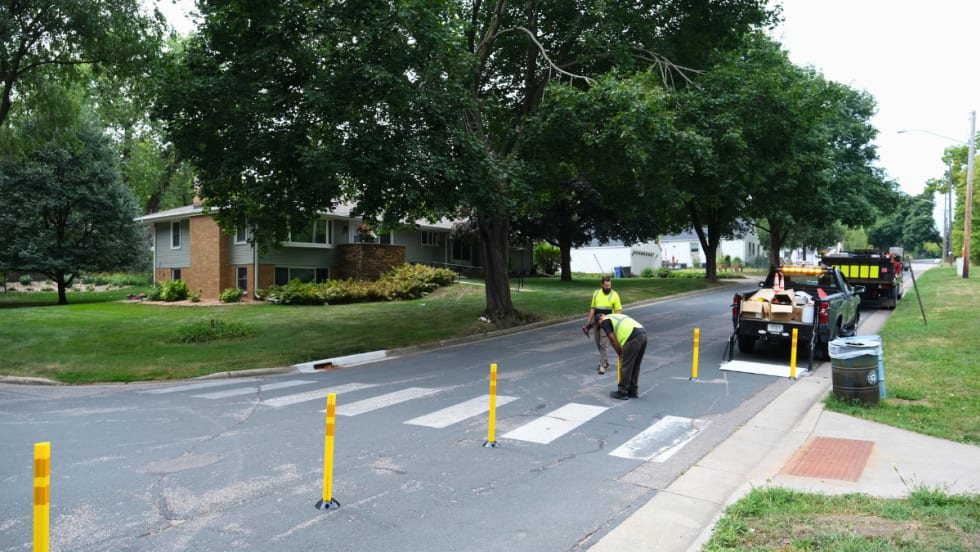
Minneapolis School Zone Pilot Cuts Speeding 41% with Low-Cost Street Design Changes
In a pilot project in Minnesota, two school-area intersections had low-cost, temporary road and traffic flow improvements made to measure the impact on roadway and student safety. Here's what they found.
Read More →
Sitestream, Safety Vision Partner with Connecticut City to Launch School Bus Stop-Arm Camera Program
The new enforcement initiative combines camera technology and violation management software to document illegal school bus passing, encourage driver compliance, and enhance student safety.
Read More →
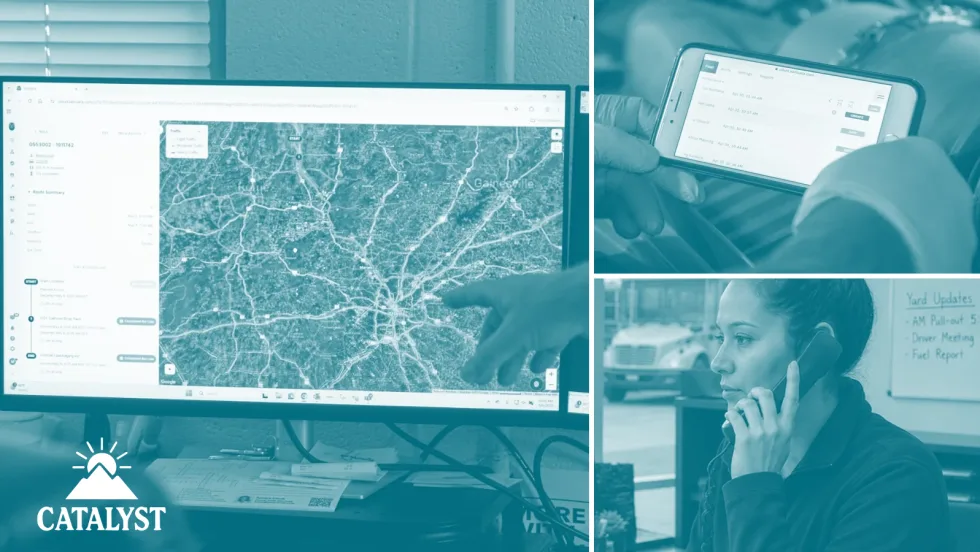
From Reactive to Proactive: Making Every Ride Visible
Smart technology only delivers its full value when it works together. See how Catalyst connects proven industry platforms to move student transportation from reactive to proactive.
Read More →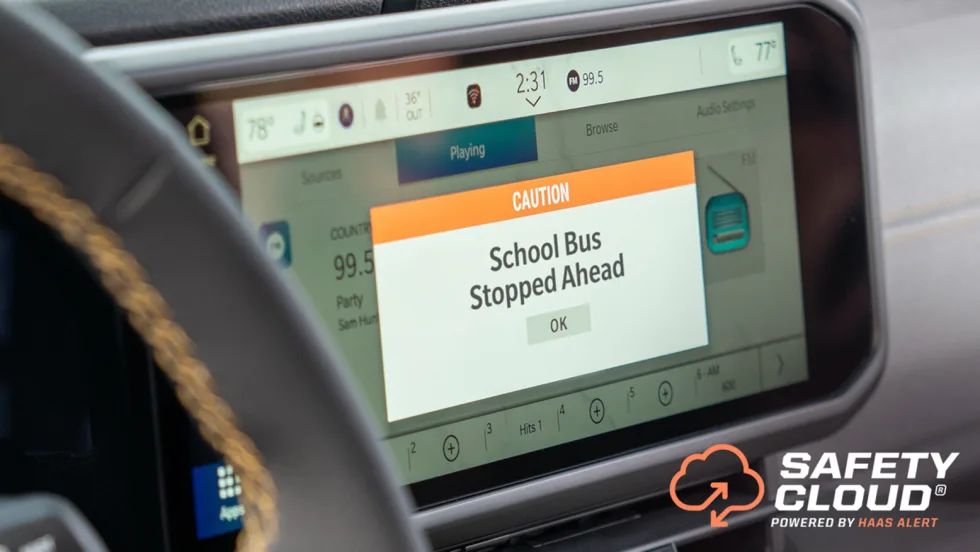
HAAS Alert’s Safety Cloud Warns Motorists of Stopped School Buses
Through a transponder or Samsara connection, the product lets school bus fleets send advance warnings to approaching drivers through in-vehicle alerts.
Read More →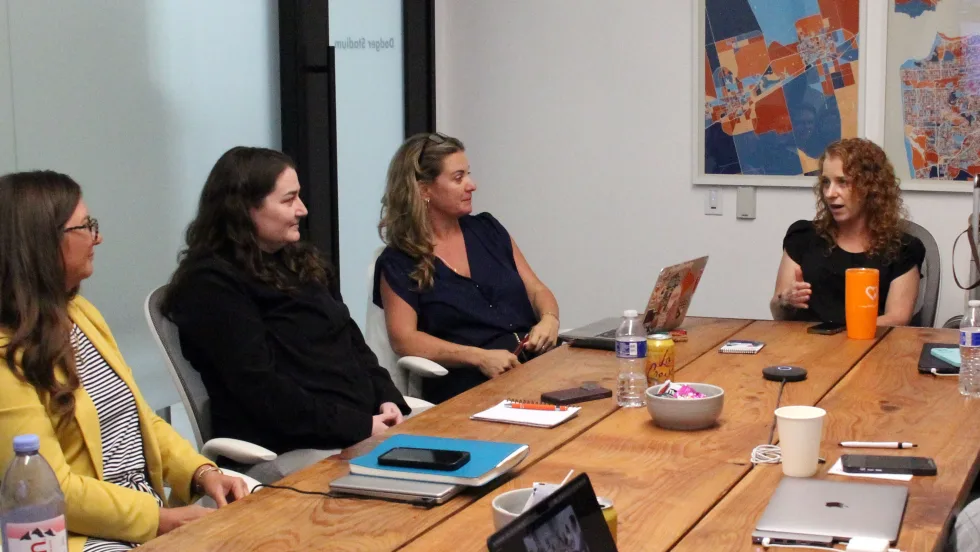
HopSkipDrive Reports Progress on Safety Advisory Council
More than a year after forming the council, independent safety experts have helped shape new rider-safety features and policy progress, with a new goal to address rider behavior.
Read More →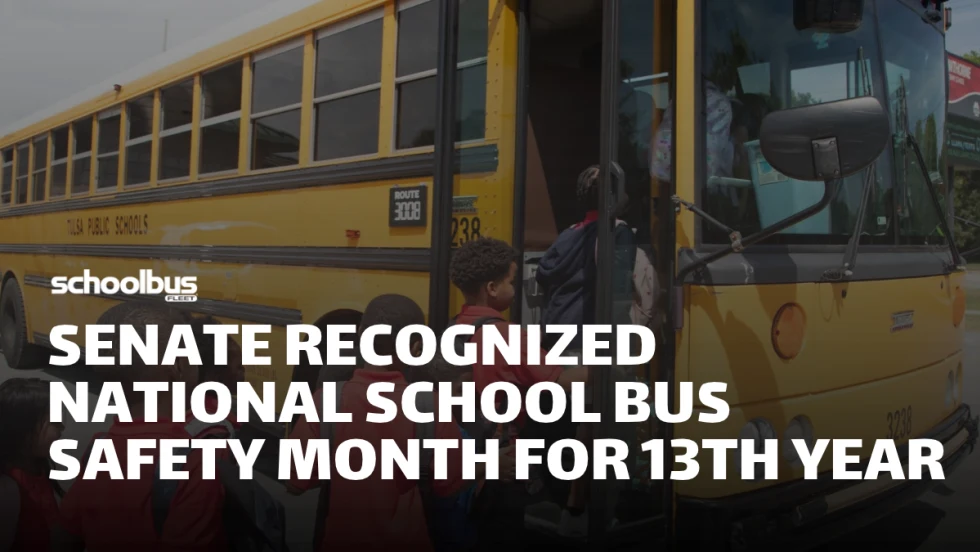
What the 2026 National School Bus Safety Month Resolution Means for Student Transportation
The bipartisan resolution highlights illegal school bus passing, student safety during loading and unloading, and the need for driver training and public education.
Read More →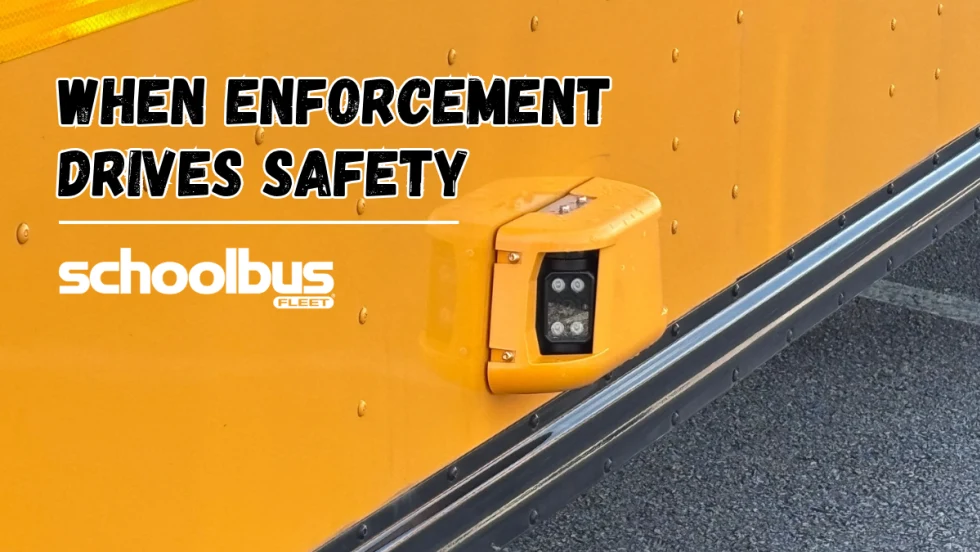
School Bus Stop-Arm Violations Decline 53% Across Verra Mobility Programs
Verra Mobility shares how school bus stop-arm cameras and school zone safety programs are changing driver behavior, reducing violations, and protecting students.
Read More →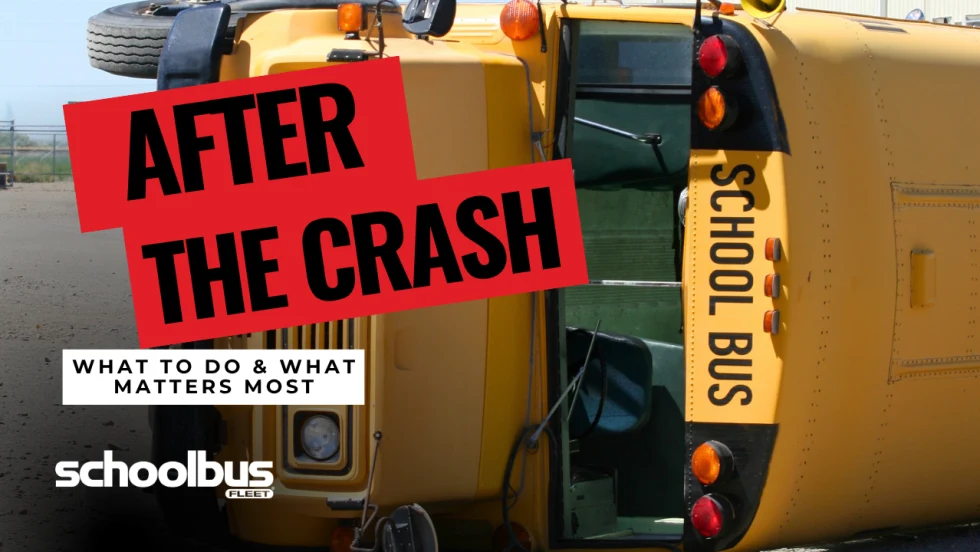
Most Bus Crashes Aren’t Your Fault. Here’s How to Prove It.
A guide for what to do in between a school bus crash and a claim: what to preserve, who to notify, and how to keep the facts available when they matter.
Read More →
National School Bus Safety Week 2026: Tips, Toolkits & Resources to Keep Students Safe
School bus safety takes more than awareness. Explore expert tips, enforcement strategies, and free resources to help protect students on every ride.
Read More →