




Study: School bus emission reductions can cut absences
Use of clean fuels and updated pollution control measures in school buses can result in fewer student absences, according to a university study.

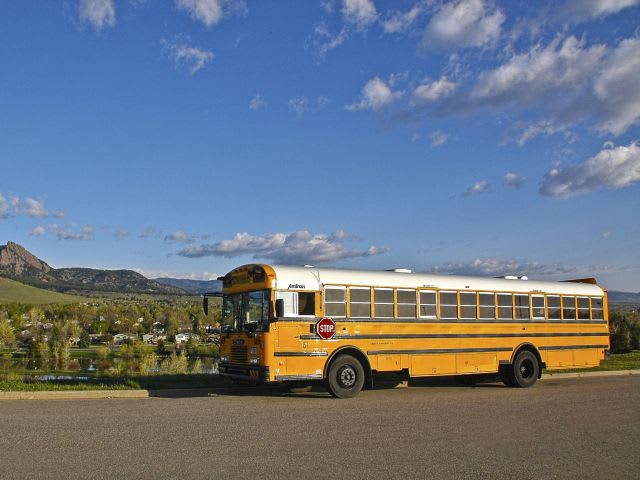
Use of clean fuels and updated pollution control measures in school buses can result in fewer student absences, according to a university study.
ANN ARBOR, Mich. — Use of clean fuels and updated pollution control measures in the nation’s school buses can result in fewer absences from school, according to a study by the University of Michigan and the University of Washington.
In research believed to be the first to measure the individual impact on children of the federal mandate to reduce diesel emissions, researchers found improved health and less absenteeism, especially among asthmatic children.
According to the study, a change to ultra-low sulfur diesel fuel reduced a marker for inflammation in the lungs by 16% over the whole group, and 20% to 31% among children with asthma, depending on the severity of their disease.
"The national switch to cleaner diesel fuel and the adoption of clean air technologies on school buses lowered concentrations of airborne particles on buses by as much as 50%," said Sara Adar, the study's lead author and assistant professor of public health at the University of Michigan School of Public Health. "Importantly, our study now shows measurable health improvements from these interventions, too.”
The team's research appears online in the American Journal of Respiratory and Critical Care Medicine.
The U.S. Environmental Protection Agency required the production of cleaner fuel and set stricter emissions standards for diesel vehicles purchased after 2006. Also, the agency has provided funding to retrofit, replace or repower older diesel school buses. From 2008 to 2010, nearly 20,000 school buses were altered or replaced to reduce the amount of particulate matter and nitrogen oxide released into the air.
For the University of Michigan and University of Washington study, researchers followed 275 Washington state elementary children who rode buses to and from school, before and after their districts adopted cleaner fuels and technologies. Air pollution was measured during 597 trips on 188 school buses from 2005 to 2009.
Technicians went to the schools to perform monthly measurements to check lung function and inflammation, and child absenteeism from school was recorded.
Over the course of the four years, two school districts' buses were altered with emissions devices or with the fuel used to power them. Some were fitted with diesel oxidation catalysts or closed crankcase ventilation systems, which are used to reduce tailpipe and engine emissions, respectively. All the buses switched to ultra-low sulfur diesel, and some used biodiesel. These fuels are projected to reduce particle generation by about 10% to 30%, the researchers said.
Children in the districts missed an average of 3.1 school days over nine months, but there was an 8% lower risk of being absent in the previous month when riding a bus with ultra-low sulfur diesel fuel. For those riding a bus that was fitted with a diesel oxidation catalyst, there was a 6% reduction in the risk of absenteeism.
Using these and other measurements, the researchers extrapolated an absenteeism reduction of 14 million days per year for the nation's 25 million school bus-riding children if all vehicles were altered to reduce emissions.
"Our research also suggests that children riding buses with cleaner fuels and technologies may experience better lung development as compared to those riding dirtier buses," Adar said.
The study, “Adopting Clean Fuels and Technologies on School Buses: Pollution and Health Impacts in Children,” can be accessed for a $20 fee here.
More Alternative Fuels

CALSTART and Forth Combine to Form Catalyst Mobility
The new name represents a renewed vision for the nonprofit focused on advancing clean, equitable, and affordable transportation solutions that move people and goods.
Read More →
Alt-Fuel Moves: New Buses, Charging Hubs & Real-World EV Testing
Propane and electric school bus deployments continue to grow as districts add new vehicles, expand charging infrastructure, and gather more real-world operating data.
Read More →
Fewer Electric School Bus Models Reshape the U.S. Market
WRI’s latest buyer’s guide points to a consolidating electric school bus market, but fewer options may reflect a maturing industry rather than fewer meaningful choices for school bus operators.
Read More →
The Fuel Budget You Can Actually Predict: How Propane Autogas Keeps Money in the Classroom
Learn how propane autogas helps school districts manage fuel costs with predictable pricing, lower maintenance, and reduced emissions from former transportation director Joel Stutheit.
Read More →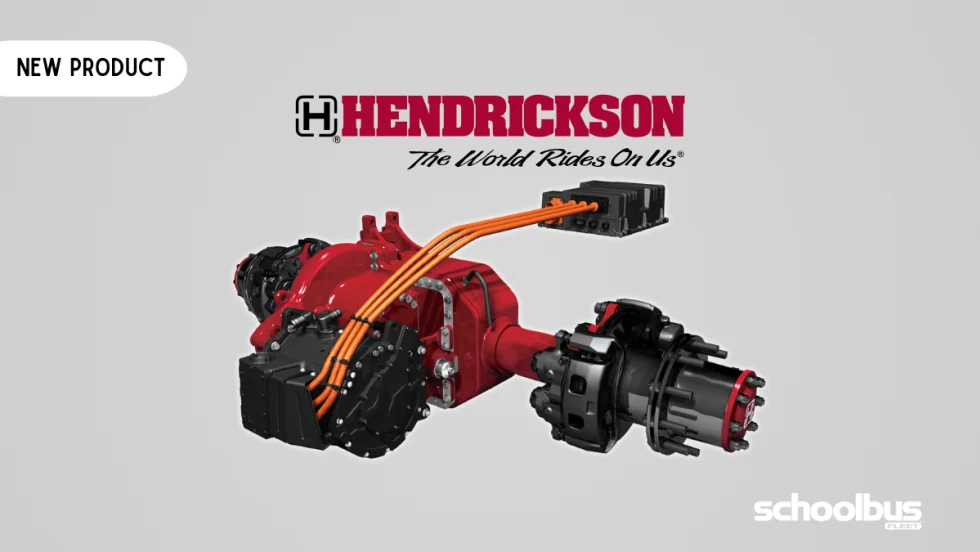
Hendrickson, Driventic Introduce New Electric Powertrain for School Buses
ELECTRAAX, the electrified, lightweight drive axle offers integrated ePowertrain efficiency and modular flexibility for Class 6–7 school bus use.
Read More →
The Mobility House Joins PowerFlex in Fleet Electrification Deal
The acquisition combines intelligent charging software, bidirectional charging expertise, and fleet electrification services to support the growing adoption of electric school buses across North America.
Read More →
Alt-Fuel Moves: Electric School Bus Investments Hit the Road
See which districts across the U.S. are putting electric school buses into service, expanding charging infrastructure, and planning the next phase of fleet electrification.
Read More →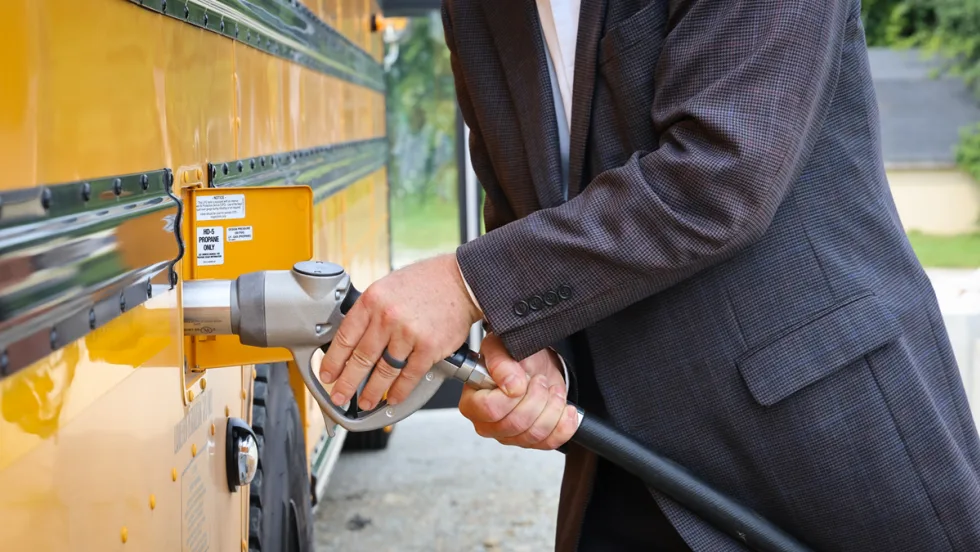
With Fuel Volatility Ahead, School Districts Turn to Propane
While diesel prices peaked above $5 this spring, districts with propane autogas-powered fleets paid under $2 per gallon, according to PERC.
Read More →
EPA Unveils Proposed Changes to 2027 Heavy-Duty Engine Rules
The federal agency has proposed changes to next year’s targets that would eliminate DEF derates, ease warranty requirements, and retain current NOx emissions standards.
Read More →
Alt-Fuel Moves: EV Charging & Infrastructure Projects Gain Momentum
The latest developments include new funding, charging infrastructure, utility investments, and fleet technologies designed to support the transition to electric school buses nationwide.
Read More →