




Stop-arm awareness campaign launched in Ontario
After a student was within “inches of being hit” by a motorist passing one of her company’s school buses last fall, Kathleen Both, owner of M.L. Bradley Ltd., took action, working with the city of Ottawa and industry organizations to launch the “I Stop, You Stop” campaign. Road safety signs have been posted throughout the city, and a stop-arm camera pilot program is underway at her operation.
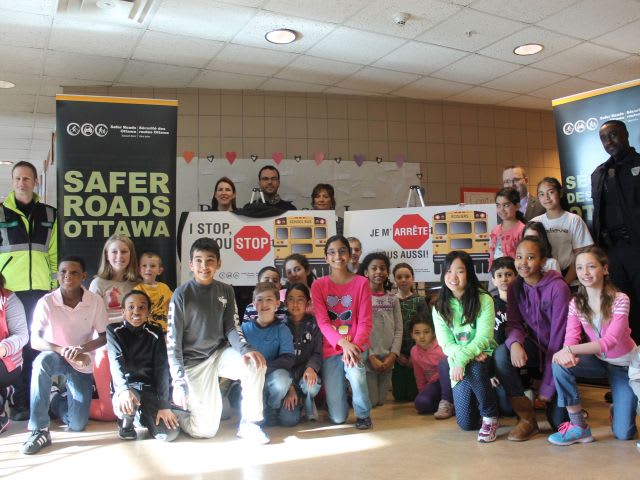
Road safety signs with the message “I Stop, You Stop” are posted throughout Ottawa, Ontario, to remind motorists to stop for school buses with their lights flashing and stop arm extended.
OTTAWA, Ontario — A stop-arm awareness campaign dubbed “I Stop, You Stop” is underway here thanks to a collaboration between pupil transportation and city officials.
Kathleen Both, owner of school bus company M.L. Bradley Ltd., told SBF that she’s seen an increase in the number of motorists passing school buses when they’re stopped for children to board or disembark. She was spurred to take action last fall when she learned that a student was within “inches of being hit” by a car passing a bus in her operation’s area of service.
“I called [Ottawa City Councillor] Stephen Blais in December, and he has been amazing,” Both said. “He went to Safer Roads Ottawa, and they did a blitz in January; they issued 200 tickets to people passing stopped school buses.”
(Safer Roads Ottawa works to prevent road deaths and serious injuries for all people in the city.)
Upon Both’s request, Blais also worked with city officials for approval of “I Stop, You Stop” road safety signs that were posted in areas throughout the city in April reminding motorists to stop for school buses.
“We can all agree that there is never an excuse for passing a school bus whose stop arm is out,” Blais said. “This is an egregious traffic violation that puts the lives of our children at risk.”
In addition, M.L. Bradley is participating in a stop-arm camera pilot program. A system from Seon is being installed on one of the company’s buses that travels on a route with a significant number of stop-arm violations.
The pilot program is part of a larger effort on Blais’ part to push the province to allow for the installation of this technology on school buses to capture violations.
Both said that Blais also plans to work with the government of Ontario to change current law so that camera footage of the passing vehicle’s license plate would be sufficient evidence for a conviction.
“The way the law is here, the camera will take a picture of the license plate, but the bus driver still has to go to court to identify the vehicle and the driver, which is difficult,” she explained.
On Saturday, Both attended the Independent School Bus Operators Association’s annual general meeting in Toronto to speak to the association’s members about the "I Stop, You Stop" campaign. Attendees were encouraged to take part in a province-wide stop-arm awareness campaign by educating the public on the laws governing school bus warning lights, and by monitoring/reporting stop-arm running occurrences.
Leading up to the meeting, Karen Cameron, executive director of the association, told SBF that attendees would have access to resources — such as speaking notes and a press release, as well as posters — to help them prepare for working with their local media and law enforcement to get the campaign going and to raise awareness.
“It’s really absentmindedness,” Cameron said of motorists illegally passing school buses. “That’s why we’re so keen to roll out the campaign province-wide. It’s something that needs to be addressed.”
More Safety

How to Build a Better School Bus Driver Training Program
Is it time to strengthen your driver training? Here’s how to pick the right talent and improve recruitment, retention, and safety. This video is brought to you by IC Bus.
Read More →
Recent School Bus Accidents Leave 2 Dead, 2 Injured
Four school bus crashes in Florida, Illinois, and Georgia highlight risks in transportation lots, at bus stops, and during student loading and unloading.
Read More →
When Every Second Matters, Clarity Keeps Routes Moving
From routine delays to urgent incidents, strong communication practices help drivers, dispatchers, schools, and families respond with confidence.
Read More →

What Happens When a School Bus Catches Fire — and What Can Help
School bus fires are rare but can be devastating. Learn how advances in fire suppression and asset protection help fleets detect fires earlier, reduce damage, and improve safety.
Read More →
Geotab Launches Tool to Help Fleets Investigate Road Incidents
Geotab Investigations combines telematics data, video, documents, and other evidence to help fleets reconstruct incidents, resolve claims, and determine what happened.
Read More →
Texas Sixth Grader Wins 2026 National School Bus Safety Poster Contest
Sai Darshana Yekolu of Moseley Middle School in Prosper, Texas, was named the newest winner for her artwork, bringing the theme of “Safe Rides, Everyday Heroes” to life.
Read More →
Doing More With Less: How Transportation Directors Can Prioritize Safety Amid Budget Uncertainty
With diesel prices soaring and nearly one-third of transportation directors expecting budget cuts, maintaining student safety has never been more challenging. Download this guide to learn how leading districts are prioritizing risk, funding critical safety technology, and building stronger budget cases with data.
Read More →
Walton County Schools Adds Gatekeeper Stop-Arm Enforcement System
The Florida district will deploy Gatekeeper’s updated Student Protector technology, which now incorporates AI to improve video evidence.
Read More →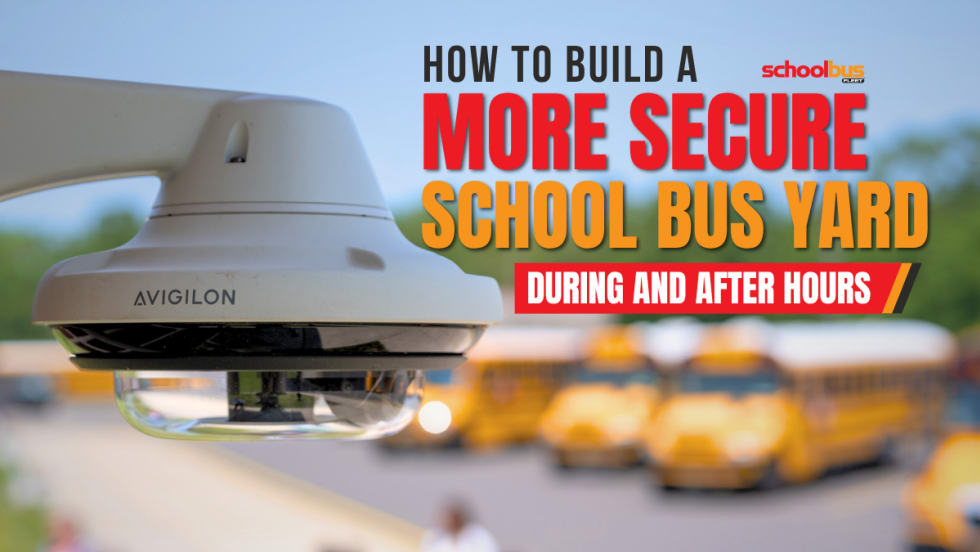
How To Build a More Secure School Bus Yard During and After Hours
As thefts and overnight security threats continue, school transportation leaders are combining stronger operational practices with AI-enabled surveillance to better protect buses, facilities, and staff.
Read More →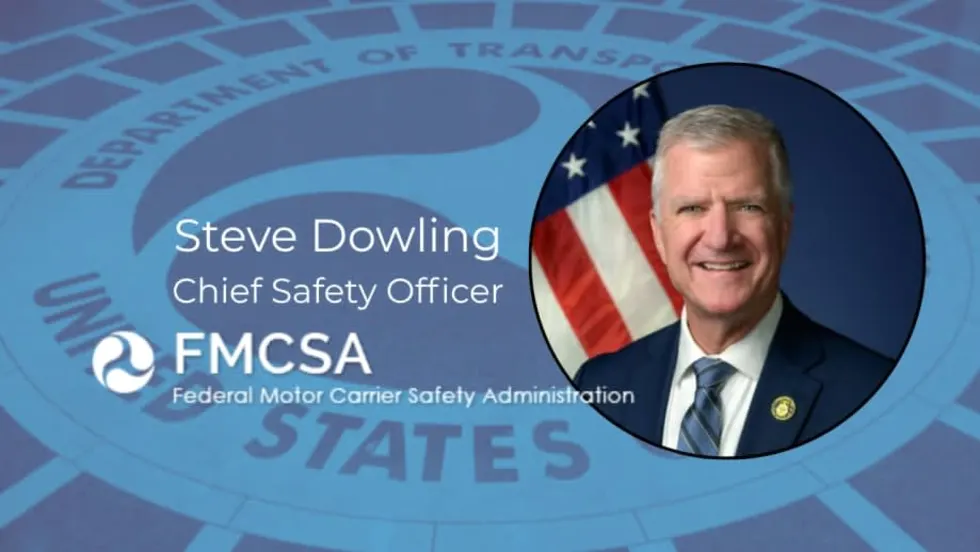
FMCSA Names New Chief Safety Officer: What School Bus Operators Should Know
Steve Dowling is set to lead the federal agency's efforts to advance commercial motor vehicle safety and reduce crashes, fatalities, and injuries on the nation's roadways.
Read More →