




Moving to Full Fleet Electrification: A Look at 3 Districts' Plans
STA Launches Electric School Bus Program in Los Angeles
The school bus company is adding five Blue Bird electric buses to its Los Angeles fleet, in addition to Level 2 charging stations.
by SBF Staff
July 29, 2021
Student Transportation of America has launched its Electric Vehicle Pilot Program in Los Angeles, California.
File photo courtesy Student Transportation of America
2 min to read
Student Transportation of America (STA) has announced the launch of its Electric Vehicle (EV) Pilot Program in Los Angeles, California.
In total, five electric school buses have been added to STA’s Los Angeles fleet, replacing a handful of diesel buses as the company works to lessen its impact on the environment, according to a news release from STA. The buses are reportedly manufactured by Blue Bird and feature a Cummins battery-electric system.
“Launching our Electric Vehicle Pilot Program is the first step in our commitment to making a more positive impact on the health of our passengers and our planet,” said Gene Kowalczewski, chief operating officer for STA. “We’ve invested, explored grants, and made the right partnerships to build a strong foundation for a successful EV rollout. We’re looking forward to seeing how well these buses perform in Los Angeles and will begin looking into other select markets in the very near future.”
Southern California’s Beard Electric EV was tapped to help update STA’s existing bus terminals — supported by the Los Angeles Department of Water and Power (LADWP) — to support the installation of Level 2 EV charging stations. The installation of the charging stations served as a mentoring project for LADWP’s Los Angeles Cleantech Incubator class, in which cohorts, primarily from underserved communities, watched the construction of the EV infrastructure via Zoom, according to the STA.
In June, STA appointed Ronald Halley, the company’s vice president of fleet and facilities, as the head of the EV Pilot Program — overseeing the design and coordination of maintenance processes and new facilities for STA’s vehicles throughout the country.
“What sets our electric program apart is its strategic rollout in varied neighborhoods, all of which have vastly different characteristics that could affect mileage, idling time, and overall performance,” Halley said. “What we learn in Los Angeles, we can apply toward the future markets and make better informed decisions on where to go next with the electric buses.”
In Los Angeles, the electric buses are already serving several routes, primarily for private schools like Harvard‐Westlake School, which implemented EVs within their Mission School Transportation (MST) fleet, a part of the STA family of companies.
STA has plans to expand its electric bus initiative to additional markets including Trenton, New Jersey; Barre, Vermont; and other areas. The new buses and related infrastructure for the larger rollout come at a total cost of $6.5 million, which will be funded by STA and a variety of grants, incentive projects, and partnerships.
To date, STA has replaced more than 2,000 of its diesel-powered school buses with alternative-fuel vehicles.
More Alternative Fuels

CALSTART and Forth Combine to Form Catalyst Mobility
The new name represents a renewed vision for the nonprofit focused on advancing clean, equitable, and affordable transportation solutions that move people and goods.
Read More →
Alt-Fuel Moves: New Buses, Charging Hubs & Real-World EV Testing
Propane and electric school bus deployments continue to grow as districts add new vehicles, expand charging infrastructure, and gather more real-world operating data.
Read More →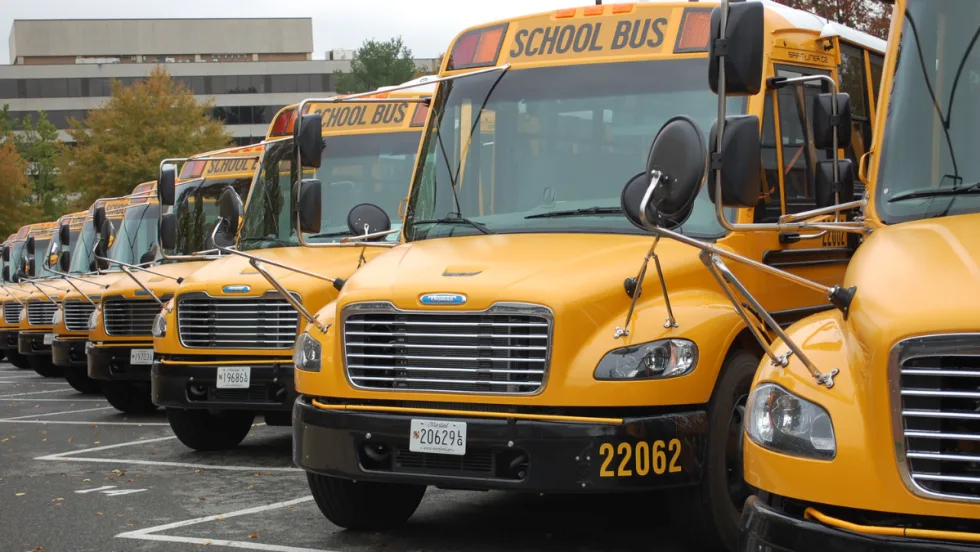
Fewer Electric School Bus Models Reshape the U.S. Market
WRI’s latest buyer’s guide points to a consolidating electric school bus market, but fewer options may reflect a maturing industry rather than fewer meaningful choices for school bus operators.
Read More →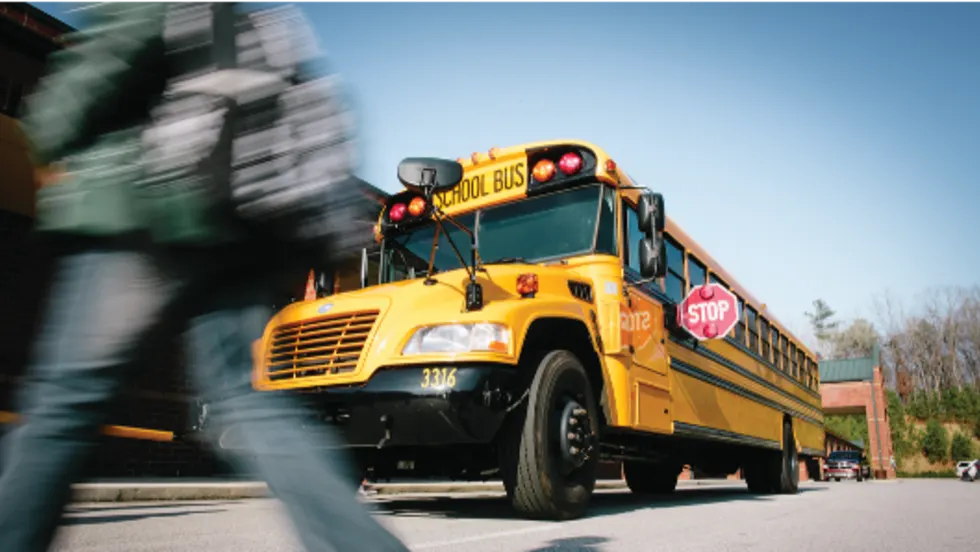
The Fuel Budget You Can Actually Predict: How Propane Autogas Keeps Money in the Classroom
Learn how propane autogas helps school districts manage fuel costs with predictable pricing, lower maintenance, and reduced emissions from former transportation director Joel Stutheit.
Read More →
Hendrickson, Driventic Introduce New Electric Powertrain for School Buses
ELECTRAAX, the electrified, lightweight drive axle offers integrated ePowertrain efficiency and modular flexibility for Class 6–7 school bus use.
Read More →
The Mobility House Joins PowerFlex in Fleet Electrification Deal
The acquisition combines intelligent charging software, bidirectional charging expertise, and fleet electrification services to support the growing adoption of electric school buses across North America.
Read More →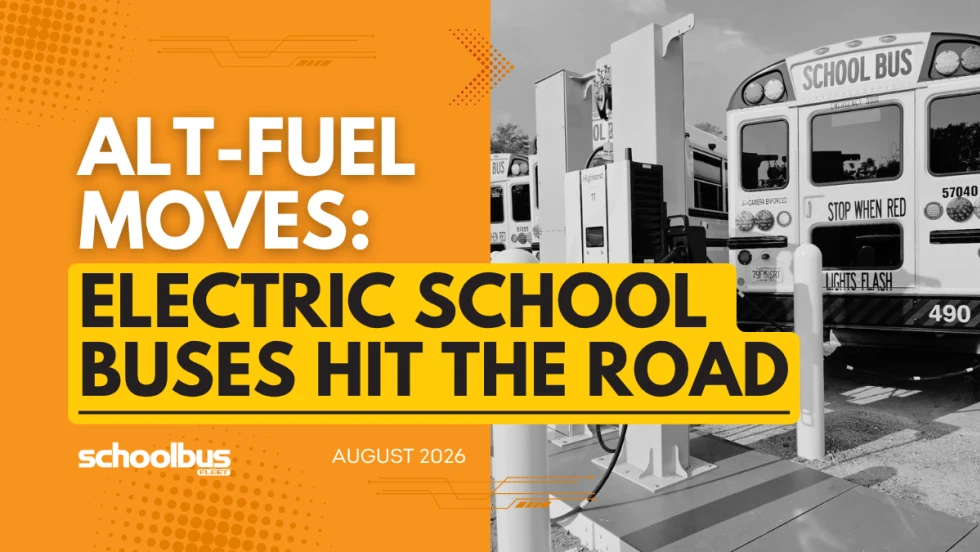
Alt-Fuel Moves: Electric School Bus Investments Hit the Road
See which districts across the U.S. are putting electric school buses into service, expanding charging infrastructure, and planning the next phase of fleet electrification.
Read More →
With Fuel Volatility Ahead, School Districts Turn to Propane
While diesel prices peaked above $5 this spring, districts with propane autogas-powered fleets paid under $2 per gallon, according to PERC.
Read More →
EPA Unveils Proposed Changes to 2027 Heavy-Duty Engine Rules
The federal agency has proposed changes to next year’s targets that would eliminate DEF derates, ease warranty requirements, and retain current NOx emissions standards.
Read More →
Alt-Fuel Moves: EV Charging & Infrastructure Projects Gain Momentum
The latest developments include new funding, charging infrastructure, utility investments, and fleet technologies designed to support the transition to electric school buses nationwide.
Read More →