




South Carolina stop-arm campaign gains momentum
During last week’s South Carolina Association for Pupil Transportation annual conference and trade show, attendees hear from Sen. Thomas Alexander, who urges them to contact local legislators in support of a bill that would increase the penalties for stop-arm violators. Anderson School District Five's David Poag also reveals that he is incorporating the Steffi Crossing Enhancer as part of the educational component of his S.A.V.E. (Stop-Arm Violation Education campaign).


Sen. Thomas Alexander spoke to South Carolina Association for Pupil Transportation conference attendees last week, encouraging them to support a bill he drafted that would stiffen the penalties for bus passing. Alexander's bill supports the Stop-Arm Violation Education Enforcement campaign.
MYRTLE BEACH, S.C. — The South Carolina Association for Pupil Transportation held its annual conference and trade show here last week, and one of the sessions covered a grassroots effort to reduce stop-arm violations in the state.
David Poag, operations and routing supervisor for Anderson (S.C.) School District Five, spoke to attendees about the S.A.V.E. (Stop-Arm Violation Education Enforcement) campaign, which was created to raise awareness on the dangers of motorists illegally passing stopped school buses.
As SBFpreviously reported, one of Poag’s goals with the campaign is awareness and support at the legislative level.
He was successful in reaching out to a local legislator, Sen. Thomas Alexander, who introduced a bill that would amend South Carolina law to provide that a motorist would be found liable of a civil penalty for overtaking a stopped school bus if the violation is captured on a video surveillance camera mounted on the bus.
Alexander joined Poag during his presentation at last week’s conference to discuss the legislation with attendees.
“Sen. Alexander encouraged folks to get in touch with their local legislators about the bill and to ask them for their support,” Poag told SBF after the conference. “He said he supports the idea of vendors paying for and maintaining the stop-arm cameras in exchange for a portion of the violation fine. He seemed to think that could work, but he stressed that that issue would need to be decided by the transportation committee now responsible for the bill. One of his main points was that this bill is not designed to be a revenue maker for the state or anyone else — its main purpose is to keep our kids safe at bus stops by mitigating the amount of violations in South Carolina.”
Poag also said that attendees responded positively to Alexander’s discussion, with some telling Poag that they would talk with their school boards, parent associations and legislators to try to gain support for the bill.
“Some folks expressed opinions that they'd like to see some of the monies collected from fines to go into a fund to help buy more school buses in South Carolina,” he noted.
Also during his presentation, Poag introduced a new aspect of the educational component of his campaign: the Steffi Crossing Enhancer, which was invented by New York school bus driver Victoria DeCarlo.
(As SBFrecently reported, the tool — a reflective arrow with elastic bands that drivers wear on the back of their hand — is gaining attention in other states.)
Poag showed the Steffi to attendees and spoke about the important role that bus drivers play in helping students to safely cross the street to board the bus or after disembarking.
He said this is where the Steffi comes in — he said he believes "it can save lives because it allows children to more easily see through the windshield [the driver’s signal to cross].”
Poag also said Anderson School District Five will be the first district in South Carolina to implement the use of the Steffi Crossing Enhancer.
More Safety
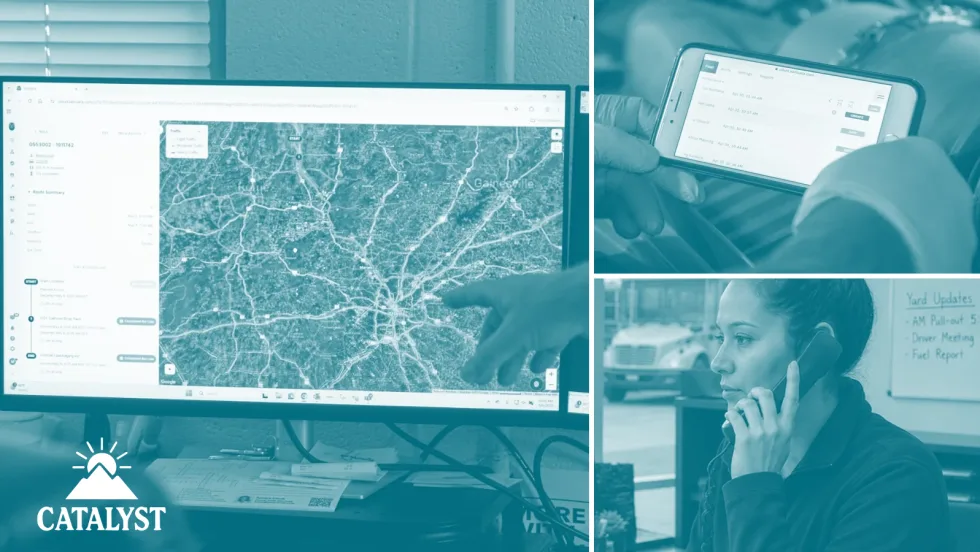
From Reactive to Proactive: Making Every Ride Visible
Smart technology only delivers its full value when it works together. See how Catalyst connects proven industry platforms to move student transportation from reactive to proactive.
Read More →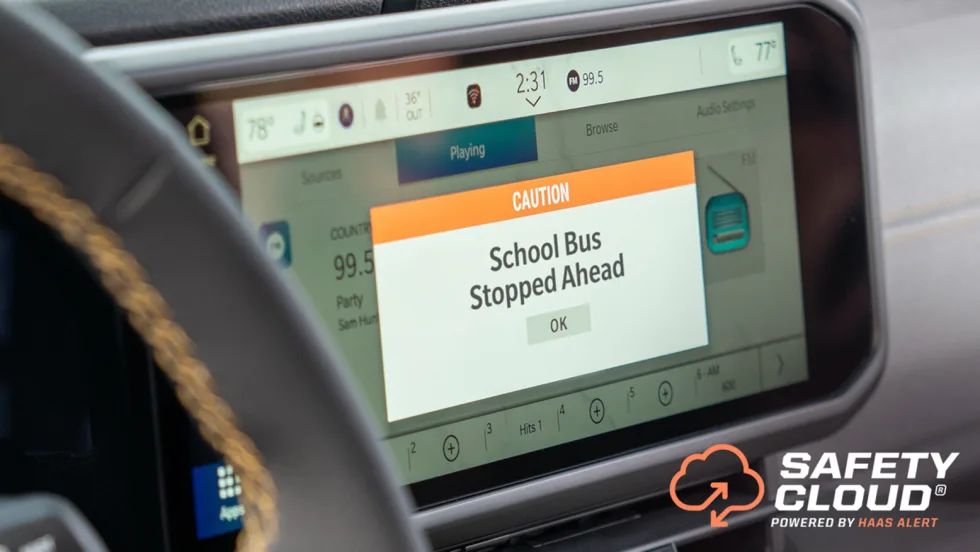
HAAS Alert’s Safety Cloud Warns Motorists of Stopped School Buses
Through a transponder or Samsara connection, the product lets school bus fleets send advance warnings to approaching drivers through in-vehicle alerts.
Read More →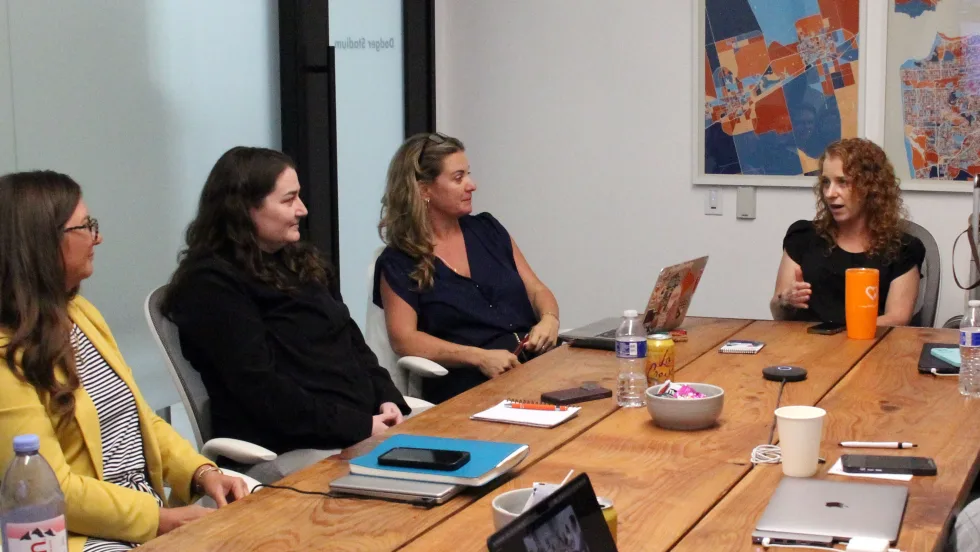
HopSkipDrive Reports Progress on Safety Advisory Council
More than a year after forming the council, independent safety experts have helped shape new rider-safety features and policy progress, with a new goal to address rider behavior.
Read More →
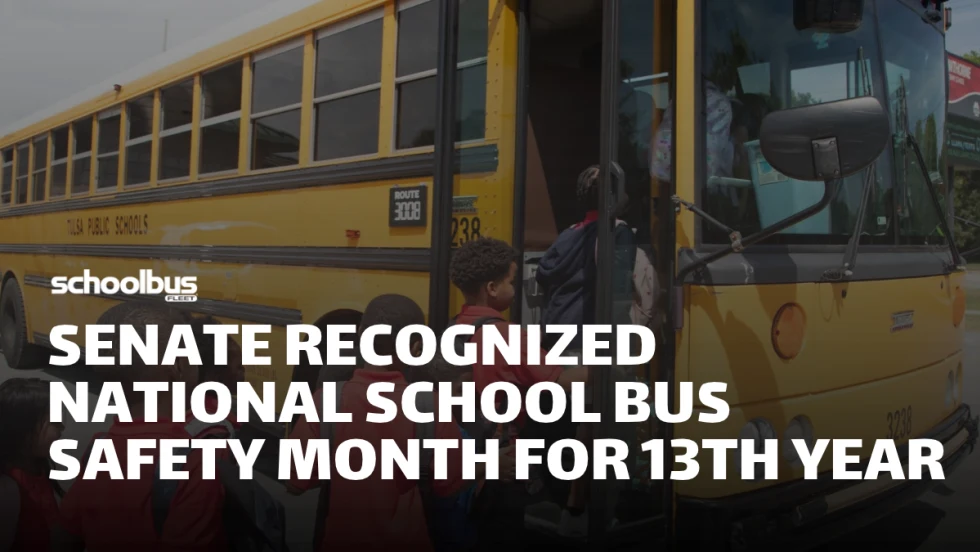
What the 2026 National School Bus Safety Month Resolution Means for Student Transportation
The bipartisan resolution highlights illegal school bus passing, student safety during loading and unloading, and the need for driver training and public education.
Read More →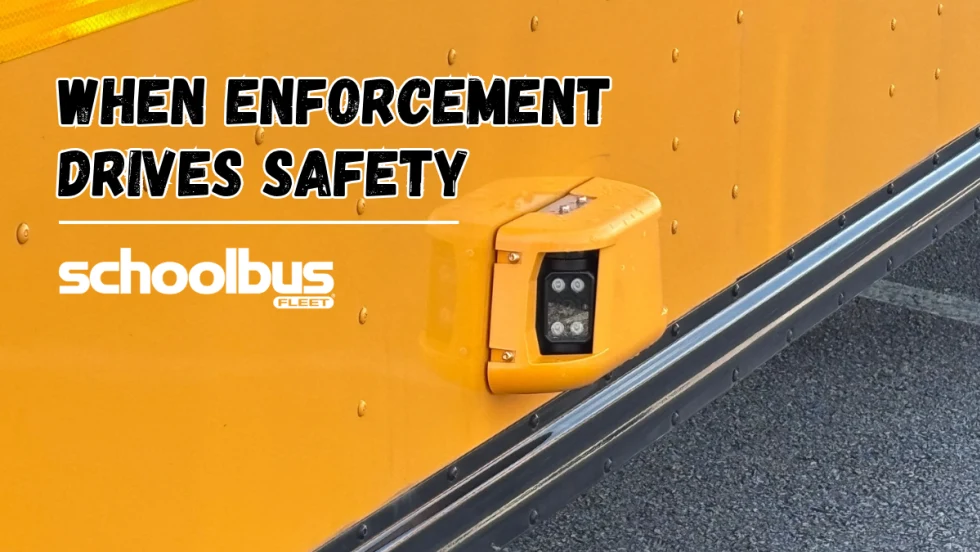
School Bus Stop-Arm Violations Decline 53% Across Verra Mobility Programs
Verra Mobility shares how school bus stop-arm cameras and school zone safety programs are changing driver behavior, reducing violations, and protecting students.
Read More →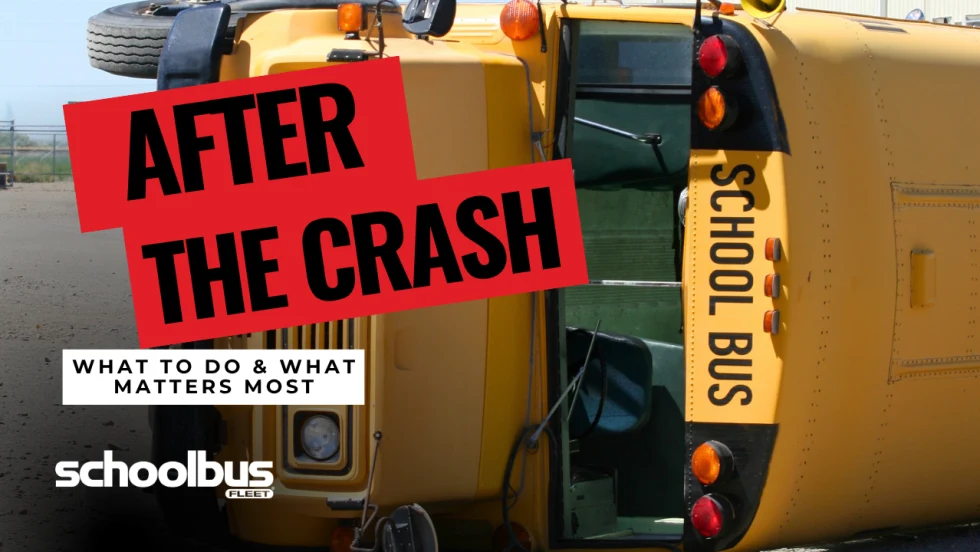
Most Bus Crashes Aren’t Your Fault. Here’s How to Prove It.
A guide for what to do in between a school bus crash and a claim: what to preserve, who to notify, and how to keep the facts available when they matter.
Read More →
National School Bus Safety Week 2026: Tips, Toolkits & Resources to Keep Students Safe
School bus safety takes more than awareness. Explore expert tips, enforcement strategies, and free resources to help protect students on every ride.
Read More →
2 Killed, Dozens Injured in Florida School Bus Crash
A multi-vehicle collision caused a Polk County school bus carrying 37 students to overturn on its way to Winter Haven High School.
Read More →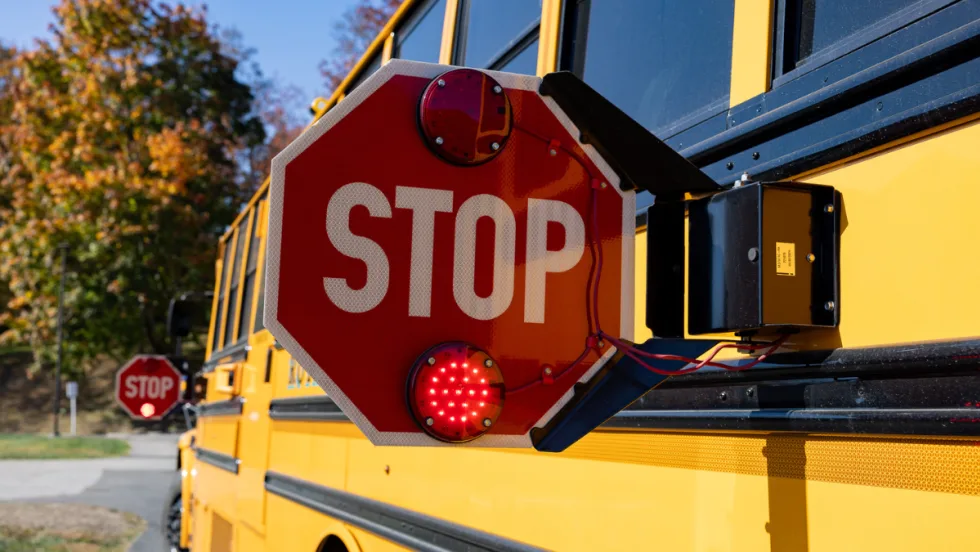
Illegal School Bus Passing Drops 24% in New York Districts
With fewer than 5% of citations involving repeat offenders, Westchester County officials said enforcement, education, and community partnerships are helping change driver behavior.
Read More →
School's Back. Here's What Happened to Traffic, Speeding & Distraction
What happens to traffic when school resumes? New data analysis examines changes in distracted driving, congestion, and speeding around schools.
Read More →