




Seon continues bullying awareness in new blog post
Marketing Coordinator Tia O’Grady discusses different anti-bullying campaigns and how supporting such efforts helps to increase awareness for the cause. The company will continue to spread the word about its own “No Bullies on My Bus” campaign during the NAPT trade show in Grand Rapids, Mich., on Tuesday and Wednesday. Seon will also launch its Smart-Reach Cellular router at the show, which transmits live video when connected to a Seon DVR.

COQUITLAM, British Columbia — With National Bullying Prevention Month in full swing, Seon Design is continuing its awareness efforts with its latest blog post.
As SBFpreviously reported, Seon launched the “No Bullies on My Bus” campaign in conjunction with National Bullying Prevention Month. In observance of this and as part of the company’s campaign, Seon is donating a portion of the proceeds of every bus camera system sold between Oct. 1 and Dec. 31 to anti-bullying education and awareness campaigns such as “The Bully Project.”
Now, in Seon’s Oct. 18 blog post, Marketing Coordinator Tia O’Grady discusses how supporting anti-bullying campaigns helps to increase awareness for the cause.
“Good causes, like anti-bullying campaigns, are strengthened by support and partnership,” she writes. “The ultimate goal to keep in mind is: Let’s spread the word that bullying is a problem so we can put an end to it.”
O’Grady also encourages Seon’s blog readers to support an anti-bullying campaign, noting that The Bully Project and Pink Shirt Day are among the causes that Seon supports.
Seon will continue to spread the word about its No Bullies on My Bus campaign during the National Association for Pupil Transportation (NAPT) Summit in Grand Rapids, Mich. Those who are interested in learning more about it can visit Seon’s booth, No. 400, during the NAPT trade show on Oct. 22 and 23.
Also at Seon’s booth during the trade show, the company will launch live video streaming technology, which officials say gives transportation managers the ability to put themselves in the driver’s seat of any vehicle in their fleet through secure, real-time web access to live camera views from any installed camera connected to the cellular network.
When connected to a Seon DVR, the new Smart-Reach Cellular router will transmit live video, and vehicle and student ridership tracking data, securely over the cellular network for easy viewing on any Internet-connected device. A mobile app, vMax Mobile, is also available on the App Store for easy viewing of live video on a mobile device.
“Every second counts when it comes to passenger safety,” said Peter Simmons, director of marketing. “In an emergency situation, live streaming lets you see exactly what’s happening on the bus in real time and take action immediately — no matter where you might be.”
“What’s unique about Seon’s live video streaming technology is that users can choose to access a live video stream from the application of their choice,” Simmons added. “We’ve integrated live streaming video into our vMax Compass school bus routing software, vMax Live Plus vehicle tracking user interface, and even developed a convenient mobile app for easy viewing on an iPhone or iPad.”
Officials said Smart-Reach Cellular modems, the vMax Mobile app, and integrated live streaming in vMax Compass routing and vMax Live Plus fleet tracking user interfaces will be made commercially available in January 2014.
More Safety
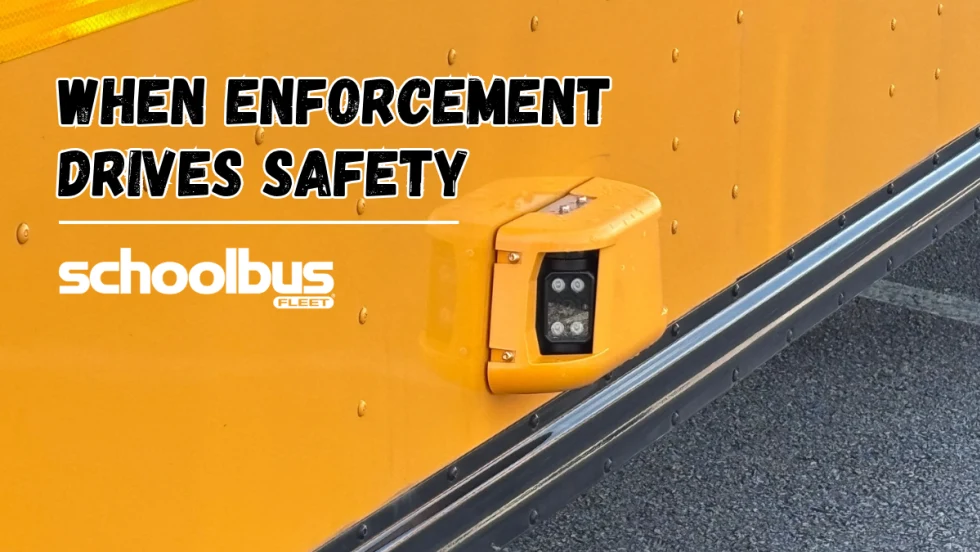
School Bus Stop-Arm Violations Decline 53% Across Verra Mobility Programs
Verra Mobility shares how school bus stop-arm cameras and school zone safety programs are changing driver behavior, reducing violations, and protecting students.
Read More →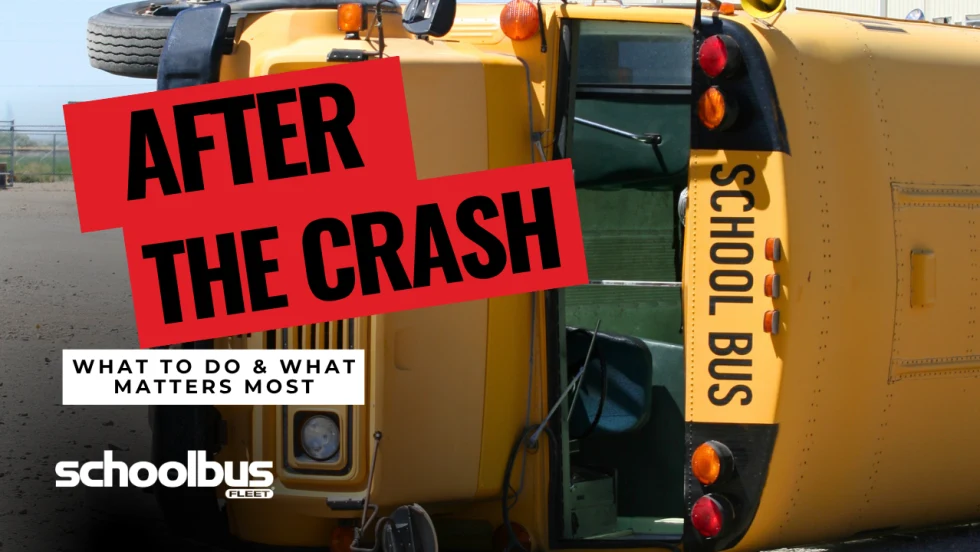
Most Bus Crashes Aren’t Your Fault. Here’s How to Prove It.
A guide for what to do in between a school bus crash and a claim: what to preserve, who to notify, and how to keep the facts available when they matter.
Read More →
National School Bus Safety Week 2026: Tips, Toolkits & Resources to Keep Students Safe
School bus safety takes more than awareness. Explore expert tips, enforcement strategies, and free resources to help protect students on every ride.
Read More →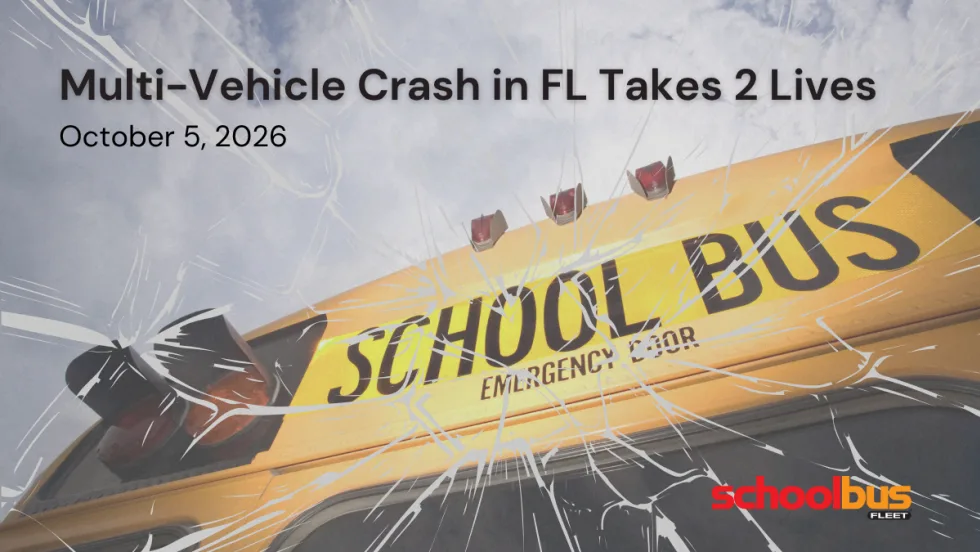
2 Killed, Dozens Injured in Florida School Bus Crash
A multi-vehicle collision caused a Polk County school bus carrying 37 students to overturn on its way to Winter Haven High School.
Read More →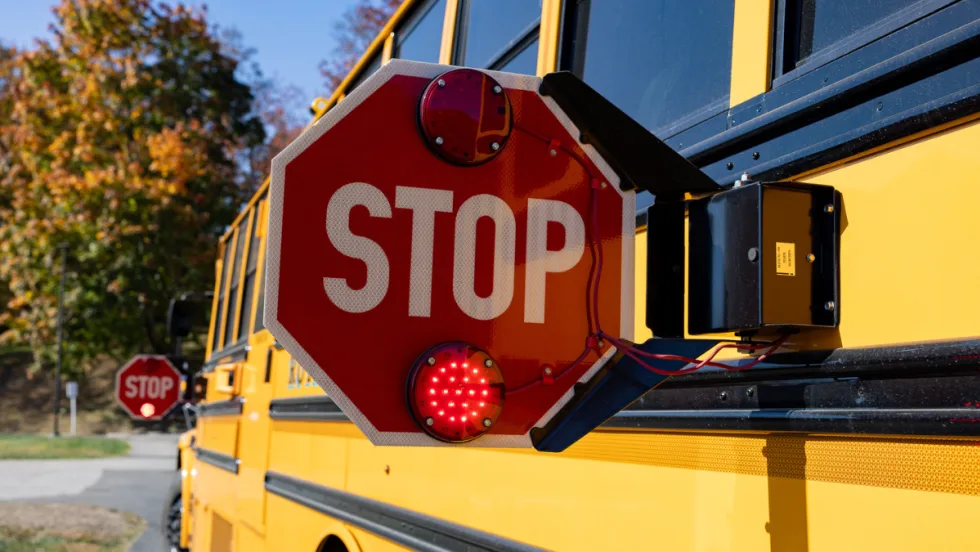
Illegal School Bus Passing Drops 24% in New York Districts
With fewer than 5% of citations involving repeat offenders, Westchester County officials said enforcement, education, and community partnerships are helping change driver behavior.
Read More →
School's Back. Here's What Happened to Traffic, Speeding & Distraction
What happens to traffic when school resumes? New data analysis examines changes in distracted driving, congestion, and speeding around schools.
Read More →
Geotab Expands Fleet Safety Tools With Video Coaching, Risk Insights
New safety and video capabilities aim to help fleet managers assess risk, support drivers, and take targeted action through video coaching, red-light violation detection, and more.
Read More →
How to Build a Better School Bus Driver Training Program
Is it time to strengthen your driver training? Here’s how to pick the right talent and improve recruitment, retention, and safety. This video is brought to you by IC Bus.
Read More →
Recent School Bus Accidents Leave 2 Dead, 2 Injured
Four school bus crashes in Florida, Illinois, and Georgia highlight risks in transportation lots, at bus stops, and during student loading and unloading.
Read More →
When Every Second Matters, Clarity Keeps Routes Moving
From routine delays to urgent incidents, strong communication practices help drivers, dispatchers, schools, and families respond with confidence.
Read More →