




School buses exempt from electronic stability control mandate
NHTSA has finalized a rule that requires electronic stability control systems on heavy trucks and some large buses, but not school buses.

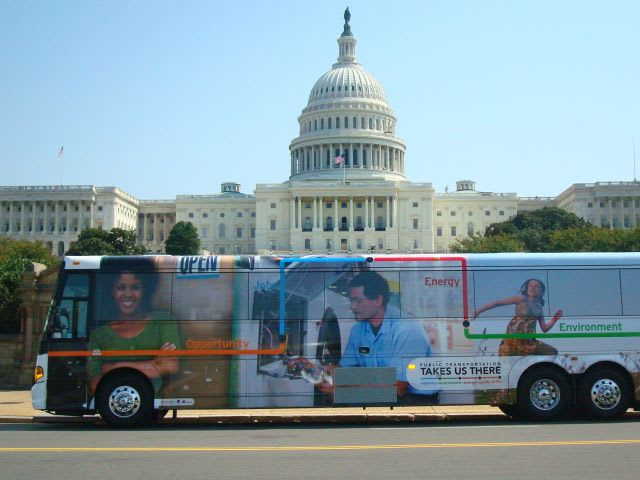
NHTSA has finalized a rule that requires electronic stability control systems on heavy trucks and some large buses, such as motorcoaches.
WASHINGTON, D.C. — School buses are not included in a federal rulemaking that requires electronic stability control (ESC) systems on heavy trucks and some large buses, such as motorcoaches.
The National Highway Traffic Safety Administration (NHTSA) has finalized the rule and has submitted it for publication in the Federal Register, although it had not yet been published as of this writing.
ESC systems have sensors that monitor vehicle movement and steering. They can help mitigate rollover incidents by using automatic computer-controlled braking, and they can aid the driver in addressing severe understeer or oversteer conditions that can lead to loss of control.
When NHTSA proposed the ESC rulemaking for large commercial trucks, motorcoaches and some other large buses in 2012, school buses were excluded, although the agency said that it sought “comment on whether this proposal should be applied to the types of buses that are excluded from the proposed rule, such as school buses and transit buses.”
Six commenters on the proposal said that NHTSA should include school buses in the ESC requirement. For example, Consumers Union commented that ESC technology should be required for school buses in order to set a precedent for future crash-avoidance technologies. The National Transportation Safety Board and the Insurance Institute for Highway Safety advocated an ESC mandate for all buses greater than 10,000 pounds, including school buses.
The National School Transportation Association (NSTA) was one of the commenters that agreed with NHTSA’s decision to exclude school buses. NSTA said that an ESC requirement would increase the cost of school buses, which could potentially reduce the number of school buses on the road and the number of children riding them. Also, NSTA noted that school buses travel primarily at low speeds and in residential areas.
As in its proposed rulemaking, NHTSA decided to make school buses exempt from the ESC final rule.
“Each NHTSA rulemaking must address a present safety need and be justified by present safety benefits,” the agency said in the final rule. “We cannot accept Consumers Union’s recommendation to do rulemaking now based on speculative benefits of ESC systems on school buses.”
Also, NHTSA again cited federal data showing that most school bus crashes are not rollover or loss-of-control crashes that ESC systems are capable of preventing.
“For these reasons, we will not require school buses to be equipped with ESC at this time,” NHTSA said in the final rule.
NSTA officials expressed their support for the federal agency’s decision.
“NHTSA clearly evaluated the research and made the right decision for school buses across the country,” NSTA Executive Director Ronna Weber said. “Our greatest concern was that the financial burden of this additional and unnecessary technology could cause a reduction in the number of school buses on the road, which would lead to an increase in the number of children not riding school buses and, in the end, create a greater safety concern.”
NSTA President Tim Flood added that “the safety of the 25 million children that ride the school bus each day is our top concern, and any improvement to that safety bears very thoughtful consideration. … We appreciate the due diligence of NHTSA and applaud them for this most important decision.”
Mike Martin, executive director of the National Association for Pupil Transportation, noted that school bus operators are still free to consider ESC technology for their fleets.
"While not required by NHTSA, there is nothing to stop a school district from evaluating and deciding that ESC makes sense for buses in their districts," Martin said. "After all is said and done, decisions about new bus purchases are made by local officials based on local circumstances, budgets and other factors."
More Safety

How to Build a Better School Bus Driver Training Program
Is it time to strengthen your driver training? Here’s how to pick the right talent and improve recruitment, retention, and safety. This video is brought to you by IC Bus.
Read More →
Recent School Bus Accidents Leave 2 Dead, 2 Injured
Four school bus crashes in Florida, Illinois, and Georgia highlight risks in transportation lots, at bus stops, and during student loading and unloading.
Read More →
When Every Second Matters, Clarity Keeps Routes Moving
From routine delays to urgent incidents, strong communication practices help drivers, dispatchers, schools, and families respond with confidence.
Read More →

What Happens When a School Bus Catches Fire — and What Can Help
School bus fires are rare but can be devastating. Learn how advances in fire suppression and asset protection help fleets detect fires earlier, reduce damage, and improve safety.
Read More →
Geotab Launches Tool to Help Fleets Investigate Road Incidents
Geotab Investigations combines telematics data, video, documents, and other evidence to help fleets reconstruct incidents, resolve claims, and determine what happened.
Read More →
Texas Sixth Grader Wins 2026 National School Bus Safety Poster Contest
Sai Darshana Yekolu of Moseley Middle School in Prosper, Texas, was named the newest winner for her artwork, bringing the theme of “Safe Rides, Everyday Heroes” to life.
Read More →
Doing More With Less: How Transportation Directors Can Prioritize Safety Amid Budget Uncertainty
With diesel prices soaring and nearly one-third of transportation directors expecting budget cuts, maintaining student safety has never been more challenging. Download this guide to learn how leading districts are prioritizing risk, funding critical safety technology, and building stronger budget cases with data.
Read More →
Walton County Schools Adds Gatekeeper Stop-Arm Enforcement System
The Florida district will deploy Gatekeeper’s updated Student Protector technology, which now incorporates AI to improve video evidence.
Read More →
How To Build a More Secure School Bus Yard During and After Hours
As thefts and overnight security threats continue, school transportation leaders are combining stronger operational practices with AI-enabled surveillance to better protect buses, facilities, and staff.
Read More →
FMCSA Names New Chief Safety Officer: What School Bus Operators Should Know
Steve Dowling is set to lead the federal agency's efforts to advance commercial motor vehicle safety and reduce crashes, fatalities, and injuries on the nation's roadways.
Read More →