




SBSC launches effort to reduce child fatalities
School Bus Safety Co.’s nationwide initiative is aimed at reducing the number of fatalities in bus-related incidents from an average of 12 per year to zero by focusing resources on four areas: bus drivers, school buses, other motorists and children. As part of the effort, the company releases three new educational programs for kids of all ages.

CLEVELAND — The School Bus Safety Co. (SBSC) has launched a nationwide initiative to reduce school bus-related child fatalities from an average of 12 per year to zero.
According to Jeff Cassell, president of SBSC, the school bus is by far the safest form of land transportation, but 83 children have died in bus-related accidents in the last seven years.
“Even one fatality is unacceptable,” Cassell said. “If your child is killed, the statistics mean nothing. We need to do everything we can to get to zero.”
Since 2010, SBSC has provided for free to districts more than 4,000 copies of Danger Zones, a comprehensive program for school bus drivers.
However, company officials said more effort is needed in four key areas — bus drivers, school buses, other drivers and kids — to reduce the number of bus-related fatalities to zero.
The company recommends that every school bus driver complete the Danger Zones training program. It is available at SBSC's website, www.schoolbussafetyco.com.
The company also recommends that every school bus be fitted with an automatic crossing gate to keep children from stepping too close to the front of the bus.
Many fatalities occur due to motorists illegally passing stopped school buses. SBSC said that some motorists pass stopped buses because they don’t know any better. For its part, the company said it will encourage newspapers, radio and television stations and other media outlets to spread the word and remind everyone that the law requires motorists to stop when a bus is stopped with its red lights flashing, and it is imperative to ensuring students’ safety.
To help kids better understand their role in school bus safety, SBSC has released three new educational programs for children of all ages: pre-kindergarten through second grade, grades 3 to 5 and grades 6 and above.
“The younger children aren’t careless, they’re carefree,” the company said in a statement. “Children under [7 years old] are three times more likely to die in a school bus incident than older groups. We need to teach these kids to respect the bus and understand how dangerous it can be.”
Cassell recalled that during his 21 years overseeing safety for a school bus contractor, there were 38 child fatalities.
“I remember every one,” he said. “We analyzed these accidents and found that they were usually caused by multiple factors. We need every school district and contractor to focus on all four areas. Together, we can go from 12 to zero!”
More Safety
School Bus Stop-Arm Violations Decline 53% Across Verra Mobility Programs
Verra Mobility shares how school bus stop-arm cameras and school zone safety programs are changing driver behavior, reducing violations, and protecting students.
Read More →
Most Bus Crashes Aren’t Your Fault. Here’s How to Prove It.
A guide for what to do in between a school bus crash and a claim: what to preserve, who to notify, and how to keep the facts available when they matter.
Read More →
National School Bus Safety Week 2026: Tips, Toolkits & Resources to Keep Students Safe
School bus safety takes more than awareness. Explore expert tips, enforcement strategies, and free resources to help protect students on every ride.
Read More →
2 Killed, Dozens Injured in Florida School Bus Crash
A multi-vehicle collision caused a Polk County school bus carrying 37 students to overturn on its way to Winter Haven High School.
Read More →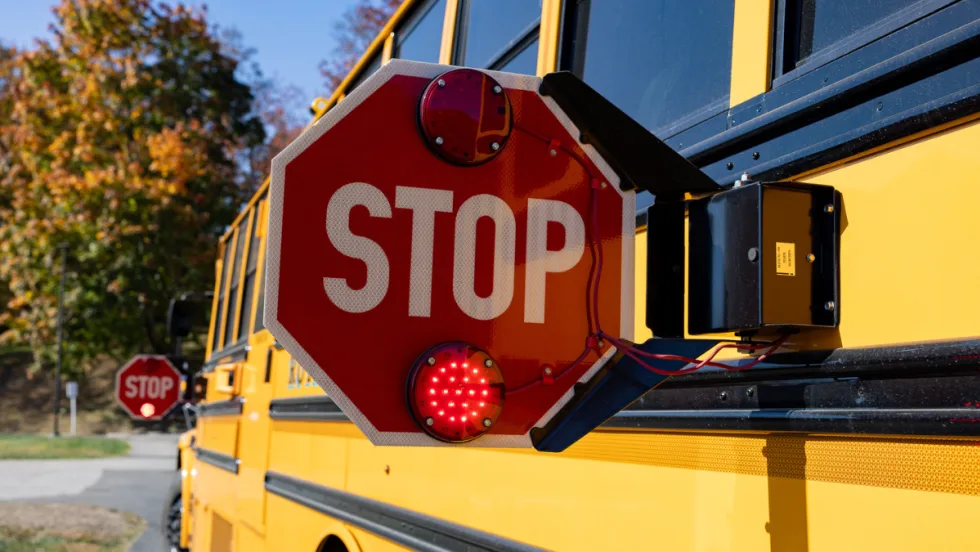
Illegal School Bus Passing Drops 24% in New York Districts
With fewer than 5% of citations involving repeat offenders, Westchester County officials said enforcement, education, and community partnerships are helping change driver behavior.
Read More →
School's Back. Here's What Happened to Traffic, Speeding & Distraction
What happens to traffic when school resumes? New data analysis examines changes in distracted driving, congestion, and speeding around schools.
Read More →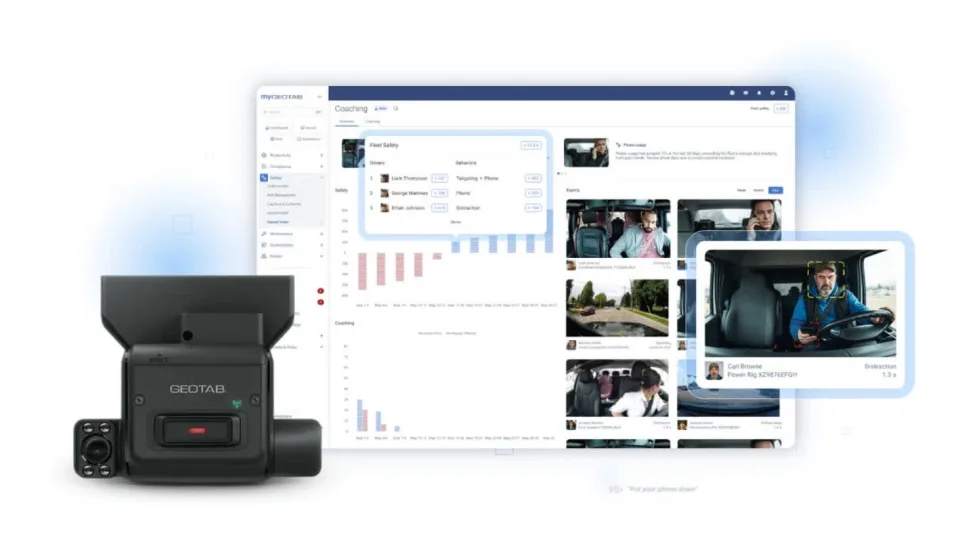
Geotab Expands Fleet Safety Tools With Video Coaching, Risk Insights
New safety and video capabilities aim to help fleet managers assess risk, support drivers, and take targeted action through video coaching, red-light violation detection, and more.
Read More →
How to Build a Better School Bus Driver Training Program
Is it time to strengthen your driver training? Here’s how to pick the right talent and improve recruitment, retention, and safety. This video is brought to you by IC Bus.
Read More →
Recent School Bus Accidents Leave 2 Dead, 2 Injured
Four school bus crashes in Florida, Illinois, and Georgia highlight risks in transportation lots, at bus stops, and during student loading and unloading.
Read More →
When Every Second Matters, Clarity Keeps Routes Moving
From routine delays to urgent incidents, strong communication practices help drivers, dispatchers, schools, and families respond with confidence.
Read More →