




Piloting the "School Bus of the Future" in NYC
Three organizations join forces to test new school bus safety technologies in urban environments and prevent near-miss collisions.

The pilot will look at various safety systems' effectiveness and use surveys to identify gaps.
Photo: SBF/Canva
Yesterday, three companies announced the launch of an exciting new pilot. Together for Safer Roads (TSR), a road safety NGO, school bus operator NYCSBUS, and video telematics technology partner VisionTrack, debuted the School Bus of the Future pilot program.
Building on TSR’s 2024 Truck of the Future program, the pilot will outfit school buses with surround cameras, near-miss AI analysis, and in-cab-alerts that are adapted and specialized for school buses operating in urban scenarios. This expands the scope of types of tested vehicles and the environments that these technologies can be applied to.
The pilot will evaluate speeding, harsh driving, VRU alerting, and video triggers to determine how these integrated systems are enhancing road safety. The program will also include manager and driver surveys to assess their view of the technology, any additional distractions created, and how best to roll out these systems in high-pedestrian and micromobility urban environments.
“Advanced technology and cross-sector collaboration can make roads safer for fleet drivers and vulnerable road users — the results from the Truck of the Future program have proven that,” said Peter Goldwasser, executive director of Together for Safer Roads. “The School Bus of the Future pilot will apply technology, training and lessons learned from previous program pilots to demonstrate that improved school bus safety is possible right now.”
TSR's original program sought to address the issue of blind zones in commercial trucks by installing Vulnerable Road User detection systems on vehicles, providing drivers with enhanced visibility and real-time feedback on potential near misses. The technology, developed by VisionTrack, utilized AI-powered cameras to detect pedestrians, bicyclists, and motorcyclists around the vehicle and was installed on trucks from the NYC Department of Environmental Protection, NYC Parks, and an AB InBev’s subsidiary in Mexico City.
“Pilots like this have profound implications for school bus safety. By addressing blind zones and enhancing driver visibility, these measures can reduce the risk of incidents involving school buses,” said Matt Berlin, CEO of NYCSBUS. “The School Bus of the Future’s success could pave the way for the further understanding and widespread adoption of these types of technologies, setting new standards and continual improvement and testing of technologies and vehicle design for school bus safety nationwide.”
“In 2024, NYC DCAS and New York City Public Schools published the first School Bus Safe Fleet Transition Plan, helping to keep our students safe, and making New York City the first city in the nation to use ISA technology on its school buses,” added Keith Kerman, NYC chief fleet officer and deputy commissioner, DCAS. “The School Bus of the Future pilot is an important next phase of this work, and we are pleased to see this pilot unfold.”
More Partnerships: New Mexico and GreenPower Agree to $5M Zero-Emission Pilot Program
More Safety
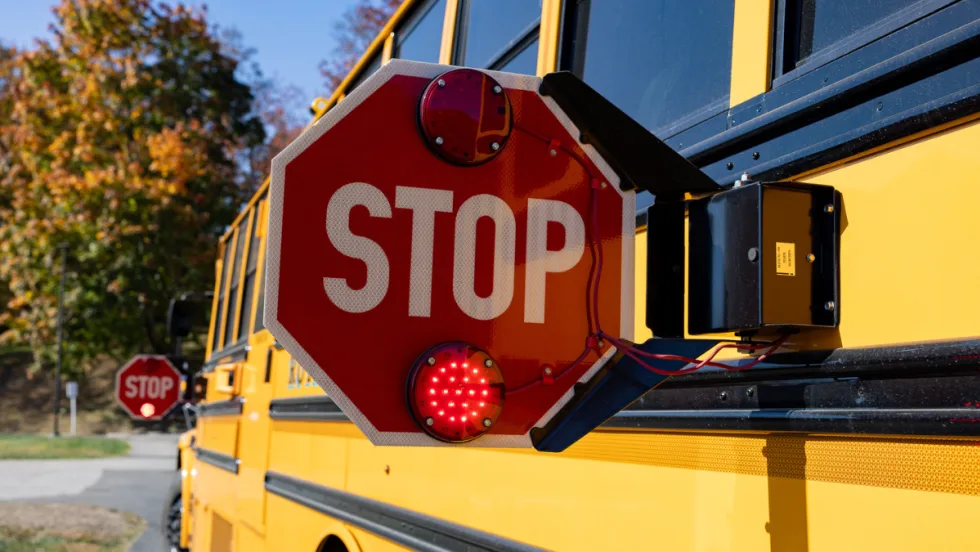
Illegal School Bus Passing Drops 24% in New York Districts
With fewer than 5% of citations involving repeat offenders, Westchester County officials said enforcement, education, and community partnerships are helping change driver behavior.
Read More →
School's Back. Here's What Happened to Traffic, Speeding & Distraction
What happens to traffic when school resumes? New data analysis examines changes in distracted driving, congestion, and speeding around schools.
Read More →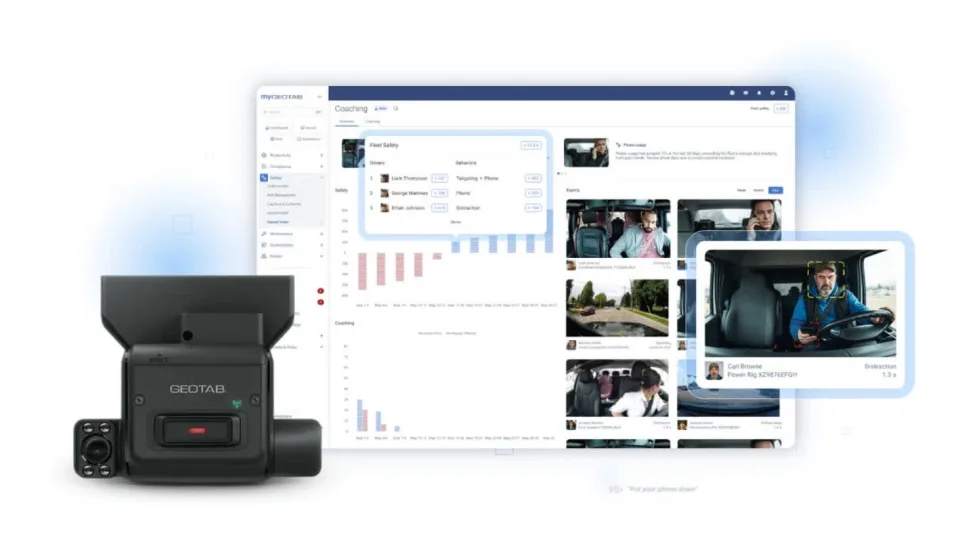
Geotab Expands Fleet Safety Tools With Video Coaching, Risk Insights
New safety and video capabilities aim to help fleet managers assess risk, support drivers, and take targeted action through video coaching, red-light violation detection, and more.
Read More →

How to Build a Better School Bus Driver Training Program
Is it time to strengthen your driver training? Here’s how to pick the right talent and improve recruitment, retention, and safety. This video is brought to you by IC Bus.
Read More →
Recent School Bus Accidents Leave 2 Dead, 2 Injured
Four school bus crashes in Florida, Illinois, and Georgia highlight risks in transportation lots, at bus stops, and during student loading and unloading.
Read More →
When Every Second Matters, Clarity Keeps Routes Moving
From routine delays to urgent incidents, strong communication practices help drivers, dispatchers, schools, and families respond with confidence.
Read More →
What Happens When a School Bus Catches Fire — and What Can Help
School bus fires are rare but can be devastating. Learn how advances in fire suppression and asset protection help fleets detect fires earlier, reduce damage, and improve safety.
Read More →
Geotab Launches Tool to Help Fleets Investigate Road Incidents
Geotab Investigations combines telematics data, video, documents, and other evidence to help fleets reconstruct incidents, resolve claims, and determine what happened.
Read More →
Texas Sixth Grader Wins 2026 National School Bus Safety Poster Contest
Sai Darshana Yekolu of Moseley Middle School in Prosper, Texas, was named the newest winner for her artwork, bringing the theme of “Safe Rides, Everyday Heroes” to life.
Read More →
Doing More With Less: How Transportation Directors Can Prioritize Safety Amid Budget Uncertainty
With diesel prices soaring and nearly one-third of transportation directors expecting budget cuts, maintaining student safety has never been more challenging. Download this guide to learn how leading districts are prioritizing risk, funding critical safety technology, and building stronger budget cases with data.
Read More →