




Pennsylvania DOT changes diabetic regulations for bus drivers
Among the revisions is the requirement that in order to receive a diabetic waiver, a school bus driver’s healthcare provider must verify that the driver has had no severe hypoglycemic reactions or symptomatic hyperglycemia, and that the driver has been free from an insulin reaction that has resulted in a loss of consciousness, attention or awareness, or has required assistance from another person.

HARRISBURG, Pa. — The Pennsylvania Department of Transportation (DOT) recently published changes it made to the diabetic regulations for school bus drivers and non-commercial drivers.
The changes went into effect on Oct. 9. The purpose of amending the bus driver medical regulations was to update the minimum standards for bus drivers being treated for diabetes mellitus.
The most notable change is that the previous regulations did not discern between a mild hypoglycemic reaction versus a severe hypoglycemic reaction. Moreover, the previous regulations did not recognize the dangers presented by symptomatic hyperglycemia.
Under the revised regulations, the diabetic waiver criteria requires a school bus driver’s healthcare provider to verify that the driver has had no severe hypoglycemic reactions or symptomatic hyperglycemia, and that the driver has been free from an insulin reaction that has resulted in a loss of consciousness, attention or awareness, or has required assistance from another person.
In addition, because the DOT recognizes that it is possible for people to demonstrate their ability to manage diabetes within a 12-month period, the disqualification period for individuals who have had any of the incidents listed above has been reduced from two years to 12 months. (School bus drivers who were disqualified for two years under the old regulation may be eligible to reapply for the waiver.)
A waiver provision has been added for individuals who have experienced a disqualifying episode, as long as the episode occurred while under the care of a physician who certifies that the episode was the result of a nonrecurring transient illness, toxic ingestion or metabolic imbalance, and that it was a temporary condition or an isolated incident.
School bus drivers who require a diabetic waiver must have an annual eye exam in order to detect diabetic retinopathy. Also, results of HbA1C tests must be submitted to the state DOT. School bus drivers who have had two consecutive HbA1C tests of greater than 8 percent will be required to undergo additional diabetic examinations every three months.
With regard to glucose monitoring, the regulations have been changed to require all diabetic drivers to self-monitor their blood glucose one hour before driving and at least every four hours while on duty, as well as maintaining a manual blood glucose log. Finally, all diabetic drivers are required to carry a source of rapidly absorbable glucose (either food or medication) at all times while driving a school bus. (Previously, these requirements were only for drivers using insulin to manage their diabetes.)
For a complete copy of the new diabetic regulations, click here.
More Safety

How to Build a Better School Bus Driver Training Program
Is it time to strengthen your driver training? Here’s how to pick the right talent and improve recruitment, retention, and safety. This video is brought to you by IC Bus.
Read More →
Recent School Bus Accidents Leave 2 Dead, 2 Injured
Four school bus crashes in Florida, Illinois, and Georgia highlight risks in transportation lots, at bus stops, and during student loading and unloading.
Read More →
When Every Second Matters, Clarity Keeps Routes Moving
From routine delays to urgent incidents, strong communication practices help drivers, dispatchers, schools, and families respond with confidence.
Read More →

What Happens When a School Bus Catches Fire — and What Can Help
School bus fires are rare but can be devastating. Learn how advances in fire suppression and asset protection help fleets detect fires earlier, reduce damage, and improve safety.
Read More →
Geotab Launches Tool to Help Fleets Investigate Road Incidents
Geotab Investigations combines telematics data, video, documents, and other evidence to help fleets reconstruct incidents, resolve claims, and determine what happened.
Read More →
Texas Sixth Grader Wins 2026 National School Bus Safety Poster Contest
Sai Darshana Yekolu of Moseley Middle School in Prosper, Texas, was named the newest winner for her artwork, bringing the theme of “Safe Rides, Everyday Heroes” to life.
Read More →
Doing More With Less: How Transportation Directors Can Prioritize Safety Amid Budget Uncertainty
With diesel prices soaring and nearly one-third of transportation directors expecting budget cuts, maintaining student safety has never been more challenging. Download this guide to learn how leading districts are prioritizing risk, funding critical safety technology, and building stronger budget cases with data.
Read More →
Walton County Schools Adds Gatekeeper Stop-Arm Enforcement System
The Florida district will deploy Gatekeeper’s updated Student Protector technology, which now incorporates AI to improve video evidence.
Read More →
How To Build a More Secure School Bus Yard During and After Hours
As thefts and overnight security threats continue, school transportation leaders are combining stronger operational practices with AI-enabled surveillance to better protect buses, facilities, and staff.
Read More →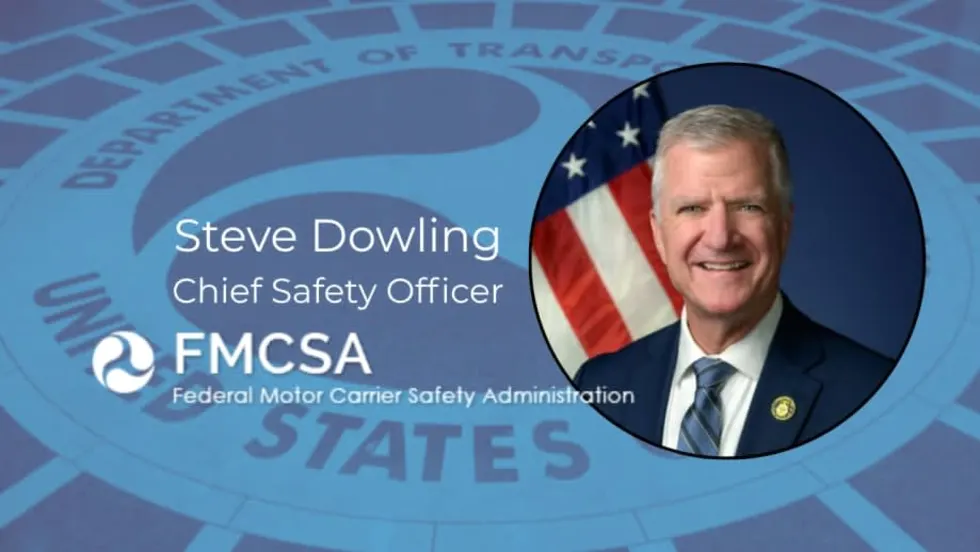
FMCSA Names New Chief Safety Officer: What School Bus Operators Should Know
Steve Dowling is set to lead the federal agency's efforts to advance commercial motor vehicle safety and reduce crashes, fatalities, and injuries on the nation's roadways.
Read More →