




Pegasus Bus Introduces Innovative Atlas Models Using Peterbilt Chassis
With its galvanized steel cage construction, aluminum skins and one-piece, five-eighth-inch corrosion-resistant composite floor, the Pegasus Atlas is designed with durability and functionality in mind.


Pegasus will use the Zeus Z-19 Power Platform to deliver shuttle and paratransit buses that they say will be categorically different from any gas or diesel conversions available today, according to the company.
Photo: Pegasus Bus Co.
Pegasus Bus Co. announced details surrounding the design of its all-new Atlas models — the advanced, feature-rich Atlas bodies will be built for shuttle, paratransit, and Type A school buses on the Peterbilt 535 chassis, and for shuttle, paratransit, and Type C school buses on the Peterbilt 536 and 537 chassis.
At 48 seats, the Pegasus Type A school bus will offer the most seating of any bus in its class. Pegasus does business in the U.S. and Canada and will introduce the first Pegasus Type C school bus, which is expected in November 2022.
With their unique body designs and state-of-the-art standard features and options, the new Pegasus vehicles will give bus buyers greater freedom of choice. The broad availability of Atlas models through the Pegasus dealer network will enhance competitiveness that should broadly benefit transit and school bus players in much of North America.
“Pegasus’ primary strategic objective is predicated upon bringing new, innovative, and unique bus solutions to the marketplace, and our Atlas models are the culmination of our initial work,” said Brian Barrington, president of Pegasus Bus Co. “Our advanced bodies mounted on these reliable, fuel-efficient and customizable chassis will truly be a game-changer in the markets we’re focusing on.”
With its galvanized steel cage construction, aluminum skins and one-piece, five-eighth-inch corrosion-resistant composite floor, the Pegasus Atlas is designed with durability and functionality in mind. While other bus manufacturers regularly compromise by using traditional plywood floors and invite rot and corrosion by bolting seats directly to and through them, the Atlas’ seats are track-mounted to the vehicle’s waterproof polymer floor.
Because there are no wheel wells on the Atlas, the seats can be fully adjustable, providing users with greater flexibility. Seats from IMMI come with lap belt restraints standard, and seats with three-point restraints are optional.
The Atlas body’s generous 92-inch width allows for 14-inch-wide aisles, promoting easier maneuverability for children and drivers. The Atlas’ spacious 75-inch standard ceiling height can also be extended to 78 inches if desired.

With their unique body designs and state-of-the-art standard features and options, the new Pegasus vehicles will give bus buyers greater freedom of choice.
Photo: Pegasus Bus Co.
The ample 34-inch-wide by 88-inch-tall entrance doors of the Pegasus Atlas are electronically controlled. The entrance door’s push-button operation reduces a driver’s exposure to the fatigue and the type of shoulder and arm strains often associated with repetitive manual door operation. Step wells are fully clad in stainless steel with diamond tread for superior traction.
Advanced LED interior and exterior lighting is standard on the Atlas, reducing the possibility of lighting failures and the need to replace lamps. The vehicles also come with a full conspicuity tape package already applied. Windows come tinted with black frames standard, keeping bus interiors cooler and more comfortable and giving the vehicle’s exterior a clean finish.
The Atlas news comes on the heels of other significant announcements from Pegasus. The company recently placed its first order with Zeus Electric Chassis. Pegasus will use the Zeus Z-19 Power Platform to deliver shuttle and paratransit buses that they say will be categorically different from any gas or diesel conversions available today, according to the company. The ground-up design of the Zeus Z-19 cab and chassis is purpose-built and optimized for bus body installation and system integration.
Pegasus also recently announced details of a newly penned agreement with the nation’s largest bus dealership, Creative Bus Sales. With 23 locations in the U.S., the deal with Creative Bus Sales will enable Pegasus to capture opportunities and win a portion of the abundant federal and state grant money incentivizing rapid electric-bus adoption.
Now, with the addition of new Pegasus buses built on the Peterbilt 535, 536, and 537 chassis, Creative Bus Sales’ nationwide distribution footprint and deep market penetration, and the unique diesel, natural gas, and electric bus offerings from Pegasus, the company is well positioned to compete.
“We’re very excited to help take the new Pegasus Type A school buses and their shuttle, paratransit, and Type C school buses to market,” said Jason Hohalok, sales manager for California for Creative Bus Sales. “The Atlas offers innovative new body solutions on three very reliable Peterbilt platforms and we think our customers will be very receptive.”
Originally posted on Metro
More Alternative Fuels

CALSTART and Forth Combine to Form Catalyst Mobility
The new name represents a renewed vision for the nonprofit focused on advancing clean, equitable, and affordable transportation solutions that move people and goods.
Read More →
Alt-Fuel Moves: New Buses, Charging Hubs & Real-World EV Testing
Propane and electric school bus deployments continue to grow as districts add new vehicles, expand charging infrastructure, and gather more real-world operating data.
Read More →
Fewer Electric School Bus Models Reshape the U.S. Market
WRI’s latest buyer’s guide points to a consolidating electric school bus market, but fewer options may reflect a maturing industry rather than fewer meaningful choices for school bus operators.
Read More →
The Fuel Budget You Can Actually Predict: How Propane Autogas Keeps Money in the Classroom
Learn how propane autogas helps school districts manage fuel costs with predictable pricing, lower maintenance, and reduced emissions from former transportation director Joel Stutheit.
Read More →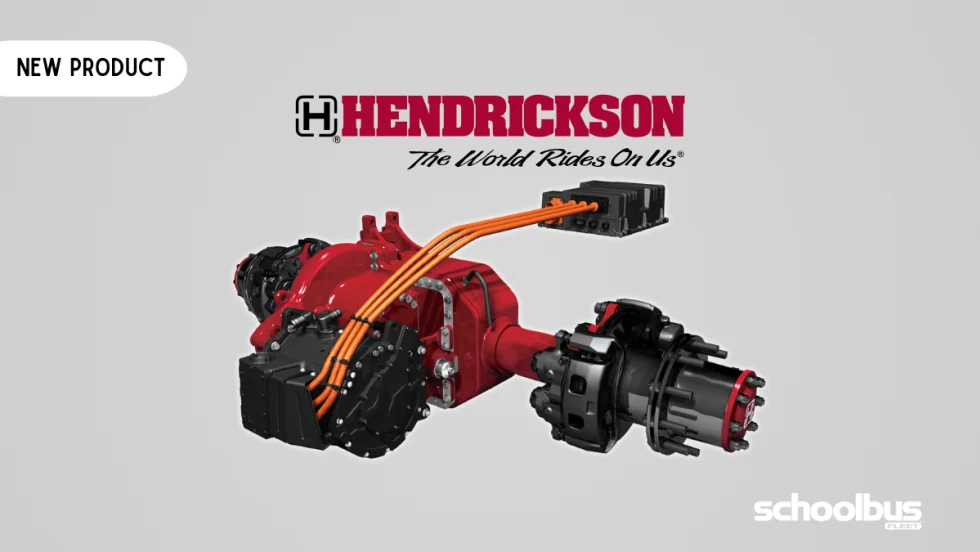
Hendrickson, Driventic Introduce New Electric Powertrain for School Buses
ELECTRAAX, the electrified, lightweight drive axle offers integrated ePowertrain efficiency and modular flexibility for Class 6–7 school bus use.
Read More →
The Mobility House Joins PowerFlex in Fleet Electrification Deal
The acquisition combines intelligent charging software, bidirectional charging expertise, and fleet electrification services to support the growing adoption of electric school buses across North America.
Read More →
Alt-Fuel Moves: Electric School Bus Investments Hit the Road
See which districts across the U.S. are putting electric school buses into service, expanding charging infrastructure, and planning the next phase of fleet electrification.
Read More →
With Fuel Volatility Ahead, School Districts Turn to Propane
While diesel prices peaked above $5 this spring, districts with propane autogas-powered fleets paid under $2 per gallon, according to PERC.
Read More →
EPA Unveils Proposed Changes to 2027 Heavy-Duty Engine Rules
The federal agency has proposed changes to next year’s targets that would eliminate DEF derates, ease warranty requirements, and retain current NOx emissions standards.
Read More →
Alt-Fuel Moves: EV Charging & Infrastructure Projects Gain Momentum
The latest developments include new funding, charging infrastructure, utility investments, and fleet technologies designed to support the transition to electric school buses nationwide.
Read More →