




NTSB Resumes Normal Operation, Addresses Work Delayed by Shutdown
Impacts on the agency from the partial shutdown include not being able to send investigators to 22 accidents, including two highway accidents that resulted in seven fatalities and 15 injuries.

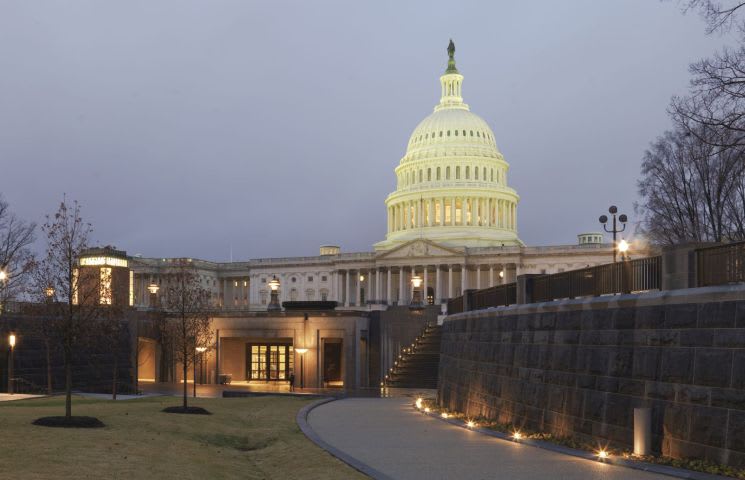
Among the impacts of the partial government shutdown on the NTSB was the inability to send investigators to 22 accidents, including two highway accidents. File photo of U.S. Capitol

Among the impacts of the partial government shutdown on the NTSB was the inability to send investigators to 22 accidents, including two highway accidents. File photo of U.S. Capitol
WASHINGTON, D.C. — National Transportation Safety Board (NTSB) employees returned to work on Monday, and are developing plans to address work that could not be accomplished during the partial government shutdown.
Of the 397 NTSB staff members, 367 employees were furloughed, 26 were excepted, and four investigators were recalled and worked without pay to support investigations of three international aviation accidents, according to a news release from the agency.
As of Friday, impacts of the partial shutdown on the NTSB include:
• Twenty-two accidents in which the NTSB did not dispatch investigators, including two highway accidents, resulting in seven fatalities and 15 injuries. These accidents now require investigative action. (As previously reported, one of these accidents is a crash between a school bus and a tractor-trailer in New Jersey that injured 14 students on Jan. 7.)
• Six accidents in which the NTSB did not gather evidence to determine if an investigation was warranted, including three highway accidents resulting in eight fatalities.
The 22 accidents in which the NTSB did not send investigators, but would have if not for the partial shutdown, may not result in investigators physically visiting the accident sites, and, it is possible that perishable evidence may have been lost, which potentially could prevent determination of probable cause, according to the NTSB.
Work also stopped during the partial shutdown on 21 ongoing highway investigations, as well as nearly 2,000 aviation investigations, and dozens of rail, pipeline, hazardous materials and marine investigations.
Additionally, work within the Office of Research and Engineering stopped on over 400 cases in the Vehicle Recorders Division and more than 50 cases in the Vehicle Performance Division. The launch of the NTSB’s 2019 – 2020 Most Wanted List of Transportation Safety Improvements had also been postponed. (It has been rescheduled to Feb. 4.)
More Safety
2 Killed, Dozens Injured in Florida School Bus Crash
A multi-vehicle collision caused a Polk County school bus carrying 37 students to overturn on its way to Winter Haven High School.
Read More →
Illegal School Bus Passing Drops 24% in New York Districts
With fewer than 5% of citations involving repeat offenders, Westchester County officials said enforcement, education, and community partnerships are helping change driver behavior.
Read More →
School's Back. Here's What Happened to Traffic, Speeding & Distraction
What happens to traffic when school resumes? New data analysis examines changes in distracted driving, congestion, and speeding around schools.
Read More →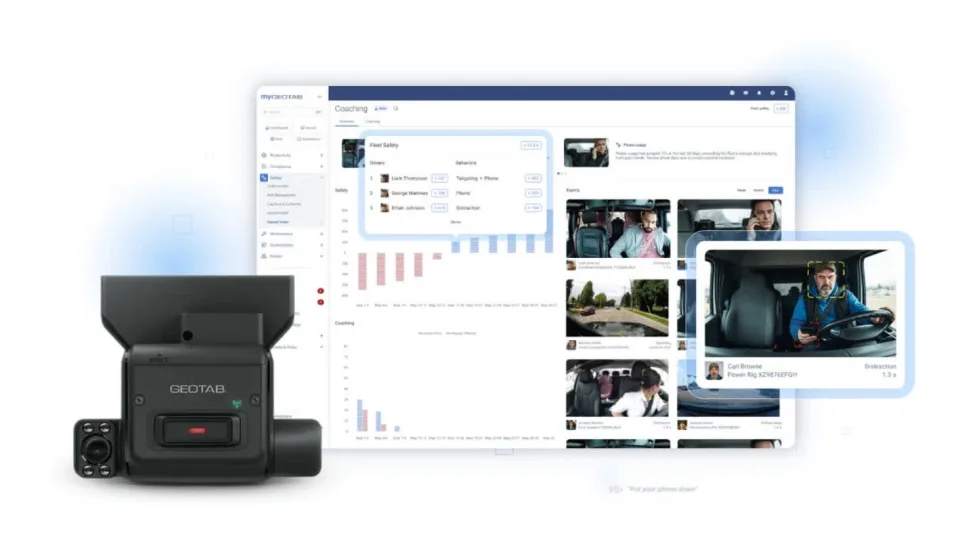
Geotab Expands Fleet Safety Tools With Video Coaching, Risk Insights
New safety and video capabilities aim to help fleet managers assess risk, support drivers, and take targeted action through video coaching, red-light violation detection, and more.
Read More →
How to Build a Better School Bus Driver Training Program
Is it time to strengthen your driver training? Here’s how to pick the right talent and improve recruitment, retention, and safety. This video is brought to you by IC Bus.
Read More →
Recent School Bus Accidents Leave 2 Dead, 2 Injured
Four school bus crashes in Florida, Illinois, and Georgia highlight risks in transportation lots, at bus stops, and during student loading and unloading.
Read More →
When Every Second Matters, Clarity Keeps Routes Moving
From routine delays to urgent incidents, strong communication practices help drivers, dispatchers, schools, and families respond with confidence.
Read More →
What Happens When a School Bus Catches Fire — and What Can Help
School bus fires are rare but can be devastating. Learn how advances in fire suppression and asset protection help fleets detect fires earlier, reduce damage, and improve safety.
Read More →
Geotab Launches Tool to Help Fleets Investigate Road Incidents
Geotab Investigations combines telematics data, video, documents, and other evidence to help fleets reconstruct incidents, resolve claims, and determine what happened.
Read More →
Texas Sixth Grader Wins 2026 National School Bus Safety Poster Contest
Sai Darshana Yekolu of Moseley Middle School in Prosper, Texas, was named the newest winner for her artwork, bringing the theme of “Safe Rides, Everyday Heroes” to life.
Read More →