




NTSB calls for steps to prevent fatigue accidents
Human fatigue was the probable cause of the fatal crash of a tractor-trailer and a motorcoach carrying high school students in Wisconsin in 2005, the National Transportation Safety Board (NTSB) has determined.

WASHINGTON — Human fatigue was the probable cause of the fatal crash of a tractor-trailer and a motorcoach carrying high school students in Wisconsin in 2005, the National Transportation Safety Board (NTSB) has determined.
Along with its findings on the crash, the NTSB issued a call for further actions to prevent fatigue-related accidents.
“Human fatigue has been a persistent factor in far too many transportation accidents, and if anything, the problem is growing, not shrinking,” NTSB Acting Chairman Mark Rosenker said. “More needs to be done to reverse the trend so fewer of these tragic accidents come before the Safety Board.”
One potential step in reversing the trend would be to equip commercial vehicles with fatigue-detection technology, an idea that the NTSB asked the Federal Motor Carrier Safety Administration (FMCSA) to look into in the wake of the Wisconsin crash.
Just before 2 a.m. on Oct. 16, 2005, a tractor-trailer traveling westbound on a highway near Osseo, Wis., departed the right-hand lane and traveled along the earthen roadside before re-entering the highway, where it overturned and came to rest on its right side, blocking both westbound lanes.
About a minute later, a chartered motorcoach carrying members of a high school band crashed into the underside of the overturned truck.
The motorcoach driver and four passengers were fatally injured. Thirty-five passengers received minor to serious injuries, and five passengers were not injured. The truck driver received minor injuries.
The NTSB determined that the truck driver was fatigued and fell asleep at the wheel because he did not use his off-duty time to get enough sleep to safely operate the vehicle.
Because of the darkness, the motorcoach driver was unable to see the truck blocking the road in time to avoid the collision, the NTSB found.
The agency said that if the truck had been equipped with a system to detect fatigue, it might have prevented or mitigated the accident. Another factor that might have significantly reduced the severity of the accident, the NTSB said, is if the motorcoach had been equipped with a collision warning system with active braking.
“In this tragic accident, we can clearly see how the advanced vehicle safety technologies, some of which are already fully developed and in use, could have made a big difference here,” Rosenker said. “This Board is going to continue to be a strong advocate for the implementation of technologies that can actually prevent such terrible accidents from ever occurring.”
The NTSB added advanced vehicle safety technologies to its List of Most Wanted Transportation Safety Improvements last year. Those types of technologies include adaptive cruise control, collision warning systems, active braking and electronic stability control.
As a result of the accident, the NTSB made several recommendations to federal agencies and Whole Foods Market Group Inc., the operator of the truck.
The recommendations to the FMCSA are:
Develop and implement a plan to deploy technologies in commercial vehicles to reduce the occurrence of fatigue-related accidents.
Develop and use a methodology that will continually assess the effectiveness of the fatigue management plans implemented by motor carriers, including their ability to improve sleep and alertness, mitigate performance errors and prevent incidents and accidents.
The recommendations to the National Highway Traffic Safety Administration are:
Determine whether equipping commercial vehicles with collision warning systems with active braking and electronic stability control systems will reduce commercial vehicle accidents. If these technologies are determined to be effective in reducing accidents, require their use on commercial vehicles.
The recommendation to Whole Foods is:
Implement a comprehensive fatigue education program that requires management to ensure that employees understand the risks of driving while fatigued and comply with fatigue guidelines.
More details on the NTSB’s accident report are available at www.ntsb.gov under “Board Meetings.” The meeting date was Sept. 16, 2008.
More Safety
Illegal School Bus Passing Drops 24% in New York Districts
With fewer than 5% of citations involving repeat offenders, Westchester County officials said enforcement, education, and community partnerships are helping change driver behavior.
Read More →
School's Back. Here's What Happened to Traffic, Speeding & Distraction
What happens to traffic when school resumes? New data analysis examines changes in distracted driving, congestion, and speeding around schools.
Read More →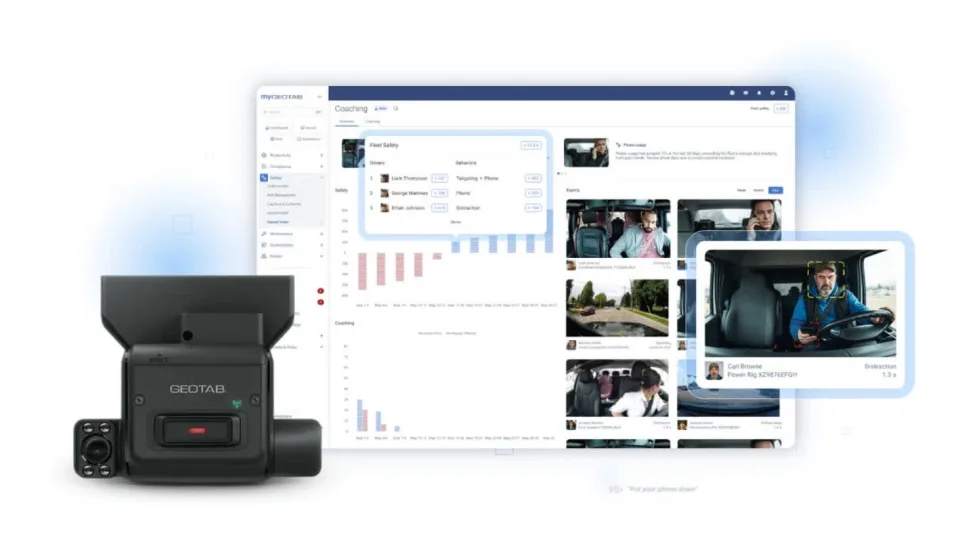
Geotab Expands Fleet Safety Tools With Video Coaching, Risk Insights
New safety and video capabilities aim to help fleet managers assess risk, support drivers, and take targeted action through video coaching, red-light violation detection, and more.
Read More →
How to Build a Better School Bus Driver Training Program
Is it time to strengthen your driver training? Here’s how to pick the right talent and improve recruitment, retention, and safety. This video is brought to you by IC Bus.
Read More →
Recent School Bus Accidents Leave 2 Dead, 2 Injured
Four school bus crashes in Florida, Illinois, and Georgia highlight risks in transportation lots, at bus stops, and during student loading and unloading.
Read More →
When Every Second Matters, Clarity Keeps Routes Moving
From routine delays to urgent incidents, strong communication practices help drivers, dispatchers, schools, and families respond with confidence.
Read More →
What Happens When a School Bus Catches Fire — and What Can Help
School bus fires are rare but can be devastating. Learn how advances in fire suppression and asset protection help fleets detect fires earlier, reduce damage, and improve safety.
Read More →
Geotab Launches Tool to Help Fleets Investigate Road Incidents
Geotab Investigations combines telematics data, video, documents, and other evidence to help fleets reconstruct incidents, resolve claims, and determine what happened.
Read More →
Texas Sixth Grader Wins 2026 National School Bus Safety Poster Contest
Sai Darshana Yekolu of Moseley Middle School in Prosper, Texas, was named the newest winner for her artwork, bringing the theme of “Safe Rides, Everyday Heroes” to life.
Read More →
Doing More With Less: How Transportation Directors Can Prioritize Safety Amid Budget Uncertainty
With diesel prices soaring and nearly one-third of transportation directors expecting budget cuts, maintaining student safety has never been more challenging. Download this guide to learn how leading districts are prioritizing risk, funding critical safety technology, and building stronger budget cases with data.
Read More →