




NTSB calls for collision avoidance systems on new vehicles
The agency outlines what it calls the “life-saving benefits” of collision avoidance systems and recommends that they become standard on all new passenger and commercial vehicles.


“You shouldn’t have to pay extra for technology that can help prevent a collision altogether,” NTSB Chairman Christopher Hart says in advocating collision avoidance systems.
WASHINGTON, D.C. — In a report released on Monday, the National Transportation Safety Board (NTSB) outlines what it calls the “life-saving benefits” of collision avoidance systems and recommends that the technology become standard on all new passenger and commercial vehicles.
“You don’t pay extra for your seat belt,” NTSB Chairman Christopher Hart said. “And you shouldn’t have to pay extra for technology that can help prevent a collision altogether.”
NTSB’s special investigation report, The Use of Forward Collision Avoidance Systems to Prevent and Mitigate Rear-End Crashes, emphasizes that collision avoidance systems can prevent or lessen the severity of rear-end crashes, thus saving lives and reducing injuries.
According to statistics from the National Highway Traffic Safety Administration (NHTSA), rear-end crashes kill about 1,700 people every year and injure half a million more. NTSB officials said that more than 80% of these deaths and injuries might have been mitigated if the vehicles had been equipped with a collision avoidance system.
Only four out of 684 passenger vehicle models in 2014 included a complete forward collision avoidance system as a standard feature. According to NTSB, when these systems are offered as options, they are often bundled with other non-safety features, making the overall package more expensive.
“The promise of a next generation of safety improvements has been used too often to justify inaction,” Hart said. "Because there will always be better technologies over the horizon, we must be careful to avoid letting perfection become the enemy of the good."
In the report, NTSB recommends that manufacturers make collision avoidance systems standard equipment in newly manufactured vehicles, beginning with collision warning systems, and adding autonomous emergency braking once NHTSA completes standards for such braking systems.
Also, NTSB recommends that NHTSA develop tests and standards to rate the performance of each vehicle’s collision avoidance systems and to incorporate those results into an expanded NCAP (New Car Assessment Program) five-star safety rating scale.
NTSB also issued a companion safety alert for consumers and commercial fleet owners that urges them to consider vehicles with collision warning and autonomous emergency braking functions.
Watch Hart’s statement on collision avoidance systems here:
More Safety

How to Build a Better School Bus Driver Training Program
Is it time to strengthen your driver training? Here’s how to pick the right talent and improve recruitment, retention, and safety. This video is brought to you by IC Bus.
Read More →
Recent School Bus Accidents Leave 2 Dead, 2 Injured
Four school bus crashes in Florida, Illinois, and Georgia highlight risks in transportation lots, at bus stops, and during student loading and unloading.
Read More →
When Every Second Matters, Clarity Keeps Routes Moving
From routine delays to urgent incidents, strong communication practices help drivers, dispatchers, schools, and families respond with confidence.
Read More →

What Happens When a School Bus Catches Fire — and What Can Help
School bus fires are rare but can be devastating. Learn how advances in fire suppression and asset protection help fleets detect fires earlier, reduce damage, and improve safety.
Read More →
Geotab Launches Tool to Help Fleets Investigate Road Incidents
Geotab Investigations combines telematics data, video, documents, and other evidence to help fleets reconstruct incidents, resolve claims, and determine what happened.
Read More →
Texas Sixth Grader Wins 2026 National School Bus Safety Poster Contest
Sai Darshana Yekolu of Moseley Middle School in Prosper, Texas, was named the newest winner for her artwork, bringing the theme of “Safe Rides, Everyday Heroes” to life.
Read More →
Doing More With Less: How Transportation Directors Can Prioritize Safety Amid Budget Uncertainty
With diesel prices soaring and nearly one-third of transportation directors expecting budget cuts, maintaining student safety has never been more challenging. Download this guide to learn how leading districts are prioritizing risk, funding critical safety technology, and building stronger budget cases with data.
Read More →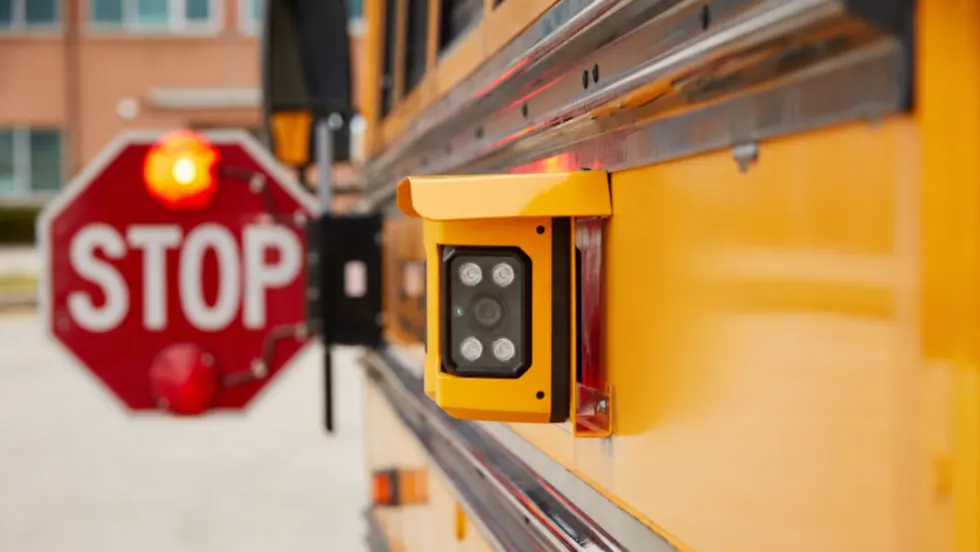
Walton County Schools Adds Gatekeeper Stop-Arm Enforcement System
The Florida district will deploy Gatekeeper’s updated Student Protector technology, which now incorporates AI to improve video evidence.
Read More →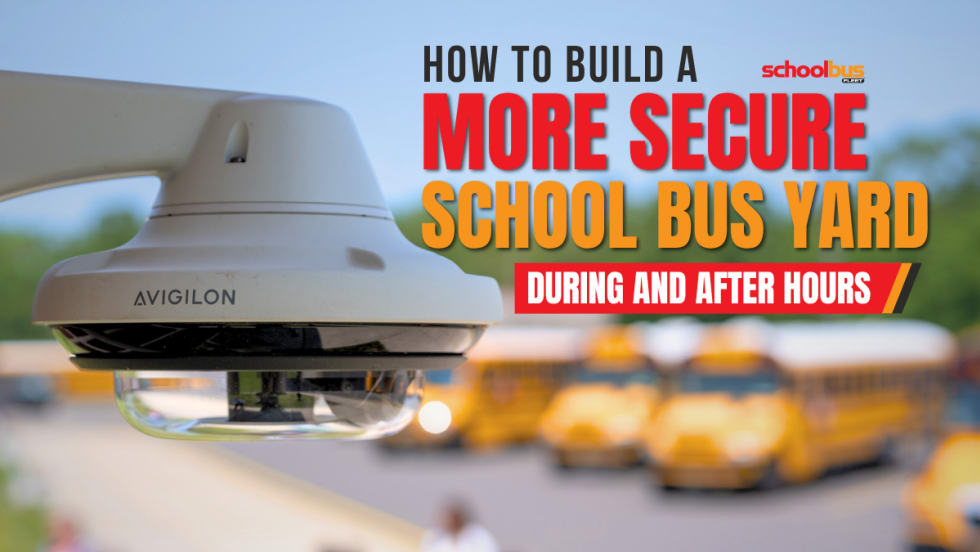
How To Build a More Secure School Bus Yard During and After Hours
As thefts and overnight security threats continue, school transportation leaders are combining stronger operational practices with AI-enabled surveillance to better protect buses, facilities, and staff.
Read More →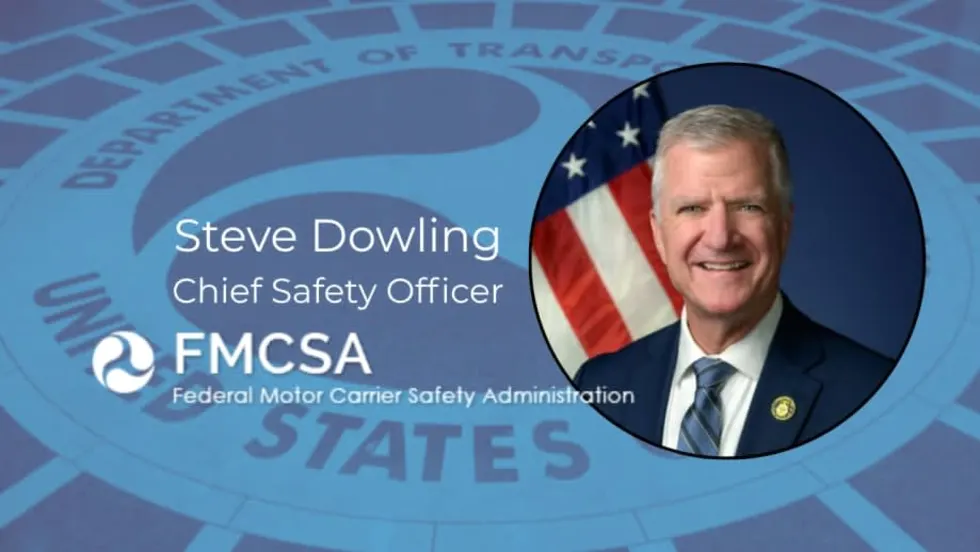
FMCSA Names New Chief Safety Officer: What School Bus Operators Should Know
Steve Dowling is set to lead the federal agency's efforts to advance commercial motor vehicle safety and reduce crashes, fatalities, and injuries on the nation's roadways.
Read More →