




NTSB: Ban cell phone use for commercial drivers
Citing distraction from the use of a mobile phone by a truck driver as the probable cause of a crash that killed 11 people, the National Transportation Safety Board recommends banning the use of mobile phones by commercial drivers, except in emergencies.

WASHINGTON, D.C. — Citing distraction from the use of a mobile phone by the driver of an 18-wheel semi-truck as the probable cause of a crash that killed 11 people, the National Transportation Safety Board (NTSB) recommended banning the use of mobile phones by commercial drivers, except in emergencies.
"Distracted driving is becoming increasingly prevalent, exacerbating the danger we encounter daily on our roadways," NTSB Chairman Deborah Hersman said. "It can be especially lethal when the distracted driver is at the wheel of a vehicle that weighs 40 tons and travels at highway speeds."
Around 5:14 a.m. on March 26, 2010, near Munfordville, Ky., a truck-tractor semi-trailer combination unit driven by a 45-year-old man departed the left lane of southbound Interstate 65, crossed a 60-foot-wide median, struck and overrode a cable barrier system, entered the northbound travel lanes, and struck a 15-passenger van.
The van was driven by a 41-year-old man and occupied by 11 passengers (eight adults, two small children and an infant). The truck driver and 10 of the 12 van occupants were killed.
Investigators determined that the driver used his mobile phone for calls and text messages a total of 69 times while driving in the 24-hour period prior to the accident. The driver made four calls in the minutes leading up to the crash, making the last call at 5:14 a.m., coinciding with the time that the truck departed the highway.
NTSB also determined that the median barrier system, which had recently been installed following another cross-median fatal accident on the same section of I-65, contributed to the severity of the accident because it was not designed to redirect or contain a vehicle of the accident truck's size. The safety board said that because median crossover accidents involving large vehicles are so deadly, it made recommendations regarding the use of appropriately designed median barriers on roadways with high volumes of commercial vehicles.
At a meeting on Tuesday, the NTSB issued 15 new safety recommendations to the Federal Highway Administration, the Federal Motor Carrier Safety Administration (FMCSA), the National Highway Traffic Safety Administration, the American Association of State Highway and Transportation Officials, the Governors Highway Safety Association, all 50 states and the District of Columbia. The board also reiterated two previously issued recommendations to the FMCSA.
One new recommendation to the FMCSA is to “prohibit the use of both handheld and hands-free cellular telephones by all CDL holders while driving in commercial operations, except in emergencies.” This supersedes the similar NTSB Safety Recommendation H-06-27.
A synopsis of the NTSB report on the Kentucky crash, including the probable cause, findings and a complete list of all of the safety recommendations, is available on the NTSB website. The board said on Tuesday that its full report would be available on the website in several weeks.
More Safety

How to Build a Better School Bus Driver Training Program
Is it time to strengthen your driver training? Here’s how to pick the right talent and improve recruitment, retention, and safety. This video is brought to you by IC Bus.
Read More →
Recent School Bus Accidents Leave 2 Dead, 2 Injured
Four school bus crashes in Florida, Illinois, and Georgia highlight risks in transportation lots, at bus stops, and during student loading and unloading.
Read More →
When Every Second Matters, Clarity Keeps Routes Moving
From routine delays to urgent incidents, strong communication practices help drivers, dispatchers, schools, and families respond with confidence.
Read More →

What Happens When a School Bus Catches Fire — and What Can Help
School bus fires are rare but can be devastating. Learn how advances in fire suppression and asset protection help fleets detect fires earlier, reduce damage, and improve safety.
Read More →
Geotab Launches Tool to Help Fleets Investigate Road Incidents
Geotab Investigations combines telematics data, video, documents, and other evidence to help fleets reconstruct incidents, resolve claims, and determine what happened.
Read More →
Texas Sixth Grader Wins 2026 National School Bus Safety Poster Contest
Sai Darshana Yekolu of Moseley Middle School in Prosper, Texas, was named the newest winner for her artwork, bringing the theme of “Safe Rides, Everyday Heroes” to life.
Read More →
Doing More With Less: How Transportation Directors Can Prioritize Safety Amid Budget Uncertainty
With diesel prices soaring and nearly one-third of transportation directors expecting budget cuts, maintaining student safety has never been more challenging. Download this guide to learn how leading districts are prioritizing risk, funding critical safety technology, and building stronger budget cases with data.
Read More →
Walton County Schools Adds Gatekeeper Stop-Arm Enforcement System
The Florida district will deploy Gatekeeper’s updated Student Protector technology, which now incorporates AI to improve video evidence.
Read More →
How To Build a More Secure School Bus Yard During and After Hours
As thefts and overnight security threats continue, school transportation leaders are combining stronger operational practices with AI-enabled surveillance to better protect buses, facilities, and staff.
Read More →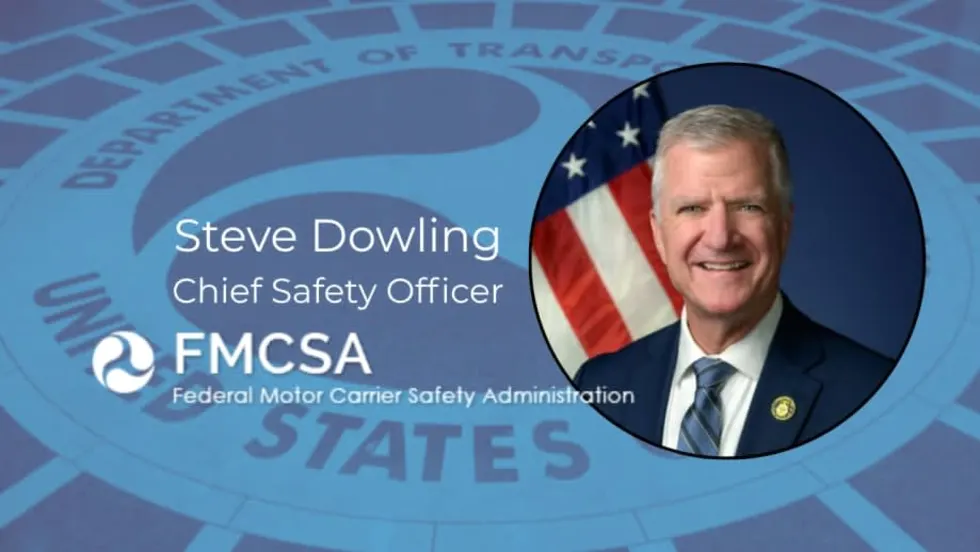
FMCSA Names New Chief Safety Officer: What School Bus Operators Should Know
Steve Dowling is set to lead the federal agency's efforts to advance commercial motor vehicle safety and reduce crashes, fatalities, and injuries on the nation's roadways.
Read More →