




NHTSA: Traffic Fatalities Increased in 2016
Federal data show that there were 37,461 deaths on the nation’s roads in 2016, up 5.6% from the 2015 total. The report includes details on school bus fatalities.


Federal data show that there were 37,461 deaths on the nation’s roads in 2016, up 5.6% from the 2015 total. Photo by Barry Johnson

Federal data show that there were 37,461 deaths on the nation’s roads in 2016, up 5.6% from the 2015 total. Photo by Barry Johnson
WASHINGTON, D.C. — The number and rate of deaths on the nation’s roads increased in 2016, according to recently released federal data.
The statistics from the National Highway Traffic Safety Administration (NHTSA), collected from all 50 states and the District of Columbia, show that there were 37,461 traffic fatalities in calendar year 2016, up 5.6% from the 2015 total of 35,485.
The traffic fatality rate also increased, according to NHTSA. The number of vehicle miles traveled on U.S. roads in 2016 was up 2.2%, and the fatality rate was 1.18 deaths per 100 million vehicle miles traveled — a 2.6% increase from the 2015 rate of 1.15.
NHTSA reported that distracted driving and drowsy driving fatalities declined, while deaths related to other “reckless behaviors” — including speeding, alcohol impairment, and not wearing seat belts — continued to increase.
Also included in NHTSA’s 2016 data are school bus fatalities. Eight occupants age 18 or younger were killed in crashes in school buses or special-use school buses in 2016, up from five in 2015 and three in 2014.
The NHTSA report doesn’t specify the locations of those school bus occupant fatalities, but, as previously reported, six students were killed in the November 2016 school bus crash in Chattanooga, Tennessee.
Meanwhile, according to the NHTSA data, five pedestrians age 18 or younger were fatally struck by school buses in 2016. The report does not indicate how many students were fatally struck by vehicles passing school buses in 2016.
More Safety
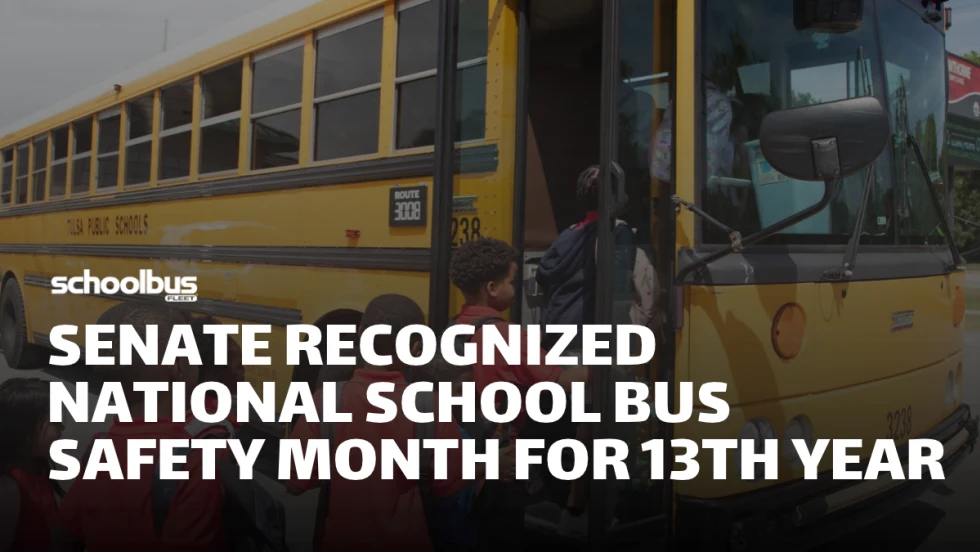
What the 2026 National School Bus Safety Month Resolution Means for Student Transportation
The bipartisan resolution highlights illegal school bus passing, student safety during loading and unloading, and the need for driver training and public education.
Read More →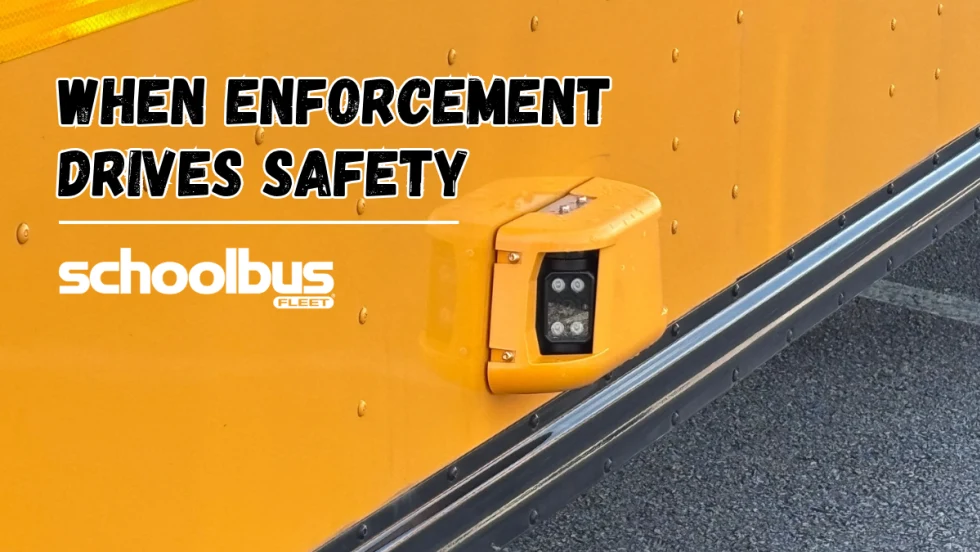
School Bus Stop-Arm Violations Decline 53% Across Verra Mobility Programs
Verra Mobility shares how school bus stop-arm cameras and school zone safety programs are changing driver behavior, reducing violations, and protecting students.
Read More →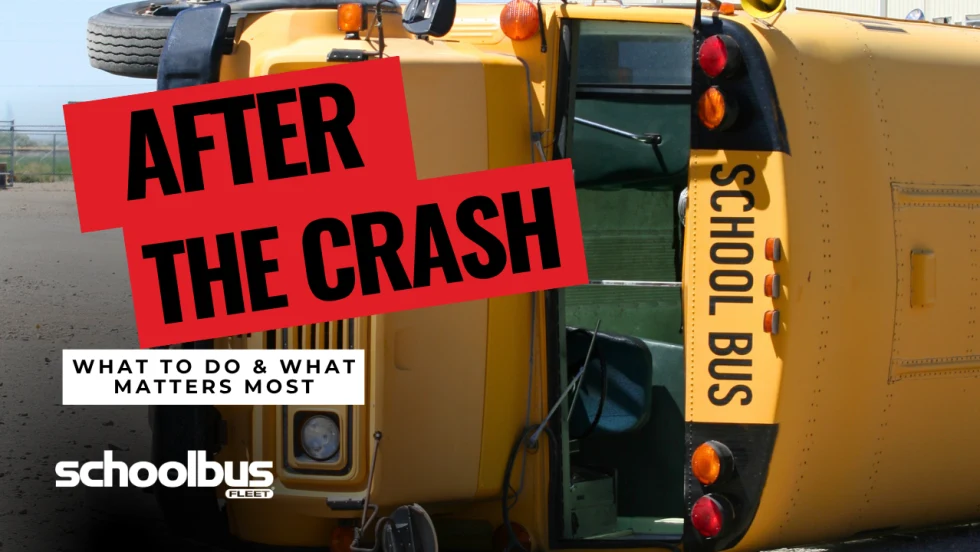
Most Bus Crashes Aren’t Your Fault. Here’s How to Prove It.
A guide for what to do in between a school bus crash and a claim: what to preserve, who to notify, and how to keep the facts available when they matter.
Read More →
National School Bus Safety Week 2026: Tips, Toolkits & Resources to Keep Students Safe
School bus safety takes more than awareness. Explore expert tips, enforcement strategies, and free resources to help protect students on every ride.
Read More →
2 Killed, Dozens Injured in Florida School Bus Crash
A multi-vehicle collision caused a Polk County school bus carrying 37 students to overturn on its way to Winter Haven High School.
Read More →
Illegal School Bus Passing Drops 24% in New York Districts
With fewer than 5% of citations involving repeat offenders, Westchester County officials said enforcement, education, and community partnerships are helping change driver behavior.
Read More →
School's Back. Here's What Happened to Traffic, Speeding & Distraction
What happens to traffic when school resumes? New data analysis examines changes in distracted driving, congestion, and speeding around schools.
Read More →
Geotab Expands Fleet Safety Tools With Video Coaching, Risk Insights
New safety and video capabilities aim to help fleet managers assess risk, support drivers, and take targeted action through video coaching, red-light violation detection, and more.
Read More →
How to Build a Better School Bus Driver Training Program
Is it time to strengthen your driver training? Here’s how to pick the right talent and improve recruitment, retention, and safety. This video is brought to you by IC Bus.
Read More →
Recent School Bus Accidents Leave 2 Dead, 2 Injured
Four school bus crashes in Florida, Illinois, and Georgia highlight risks in transportation lots, at bus stops, and during student loading and unloading.
Read More →