




New Roush Propane Engine Certified to Low NOx Standard
The engine is certified to the optional low nitrogen oxide (NOx) level of 0.05 g/bhp-hr. It is available in Blue Bird Type C buses and class 4 to 7 vehicles.

LIVONIA, Mich. — Roush CleanTech has developed a propane autogas engine that is certified to the optional low nitrogen oxide (NOx) level of 0.05 g/bhp-hr.
These new Environmental Protection Agency (EPA)- and California Air Resources Board-certified propane engines, which are available in class 4 to 7 vehicles and Blue Bird Type C buses, are 75% cleaner than the current emissions standard, according to Roush CleanTech.
“Roush CleanTech’s low NOx engine is a great step forward for the propane industry,” said Tucker Perkins, president of the Propane Education & Research Council. “Propane autogas is well established as an economical, clean-burning, and domestically produced alternative fuel ideal for fleets. Now propane gets the biggest return on NOx reductions, too.”
Nitrogen oxides are a group of gases known as a primary contributor to acid rain, smog, and other air quality issues. The EPA states that exposure to NOx can trigger health problems such as asthma and other respiratory issues. CARB has encouraged heavy-duty engine manufacturers to reduce levels below the current mandatory EPA standard of 0.2 grams per brake horsepower per hour (known as g/bhp-hr).
“Equipping the Blue Bird Vision with the lowest NOx propane engine makes the best-selling school bus in the industry even better,” said Phil Horlock, president and CEO of Blue Bird. “That’s great news for the environment, our customers, and our children. Blue Bird’s propane school bus is the industry leader for lowest total cost of ownership and hassle-free maintenance, while creating a cleaner and safer environment for us all.”
The certification covers Roush CleanTech 6.8L V10 3V propane engines for school bus and commercial truck engines with no additional upfront cost. Roush CleanTech has begun installing the new low NOx engines in its Ford commercial vehicles and Blue Bird Vision propane school buses with model year 2017 engines.
“Developing the lowest NOx propane engine sends a message that this fuel is comparable to other alternative fuels from a standpoint of emissions,” said Todd Mouw, vice president of sales and marketing for Roush CleanTech. “With our nation’s ample supply of propane and the fuel’s favorable total cost of ownership, our propane autogas engine is the perfect mix of environmental and economic sustainability.”
Over the past year, NOx awareness has increased due to the Volkswagen emissions compliance issue. The Volkswagen Environmental Mitigation Trust was created to fund actions with cleaner technology that reduce excess emissions of NOx.
“Our 0.05g NOx engine certification will help our school bus and public transit customers target funds from the upcoming VW Environmental Mitigation Trust program,” Mouw added. “This is especially beneficial for school districts looking for extra funds to replace aging diesel models.”
More Alternative Fuels
Alt-Fuel Moves: Electric Bus Rollouts, Bidirectional Charging & Propane Growth
See which fleets are adding electric and propane school buses as districts and operators invest in charging infrastructure, bidirectional technology, and alternative-fuel expansion.
Read More →
Nobody Told Diesel Prices They Were Supposed to Come Down
With diesel prices surging, school bus fleets have new reason to stress-test fuel costs, consider diversification, and calculate what each route really costs to operate.
Read More →
Why Gasoline School Buses Are Making a Comeback
Gasoline is gaining ground in full-size school buses. See how today’s options stack up against diesel on cost, maintenance, emissions, performance, and more.
Read More →
EPA Opens $180M DERA Funding Round for Diesel Upgrades
The 2026 Diesel Emissions Reduction Act program seeks applications from eligible organizations to accelerate the retirement of legacy diesel vehicles.
Read More →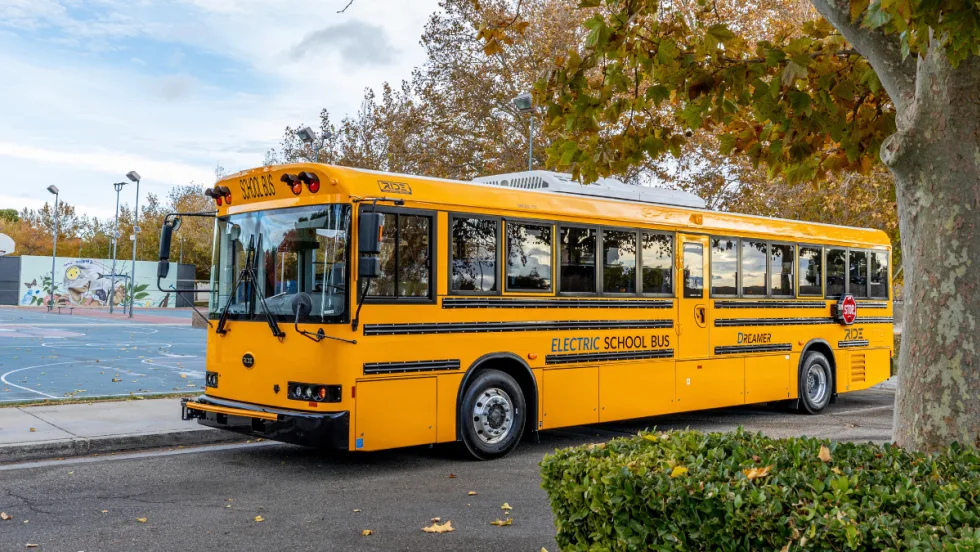
The Secret Life of an Electric School Bus Battery
Batteries change throughout years of daily routes, but degradation doesn’t necessarily mean the end. Here’s what operators should know about performance, safety, and second life.
Read More →
CALSTART and Forth Combine to Form Catalyst Mobility
The new name represents a renewed vision for the nonprofit focused on advancing clean, equitable, and affordable transportation solutions that move people and goods.
Read More →
Alt-Fuel Moves: New Buses, Charging Hubs & Real-World EV Testing
Propane and electric school bus deployments continue to grow as districts add new vehicles, expand charging infrastructure, and gather more real-world operating data.
Read More →
Fewer Electric School Bus Models Reshape the U.S. Market
WRI’s latest buyer’s guide points to a consolidating electric school bus market, but fewer options may reflect a maturing industry rather than fewer meaningful choices for school bus operators.
Read More →
The Fuel Budget You Can Actually Predict: How Propane Autogas Keeps Money in the Classroom
Learn how propane autogas helps school districts manage fuel costs with predictable pricing, lower maintenance, and reduced emissions from former transportation director Joel Stutheit.
Read More →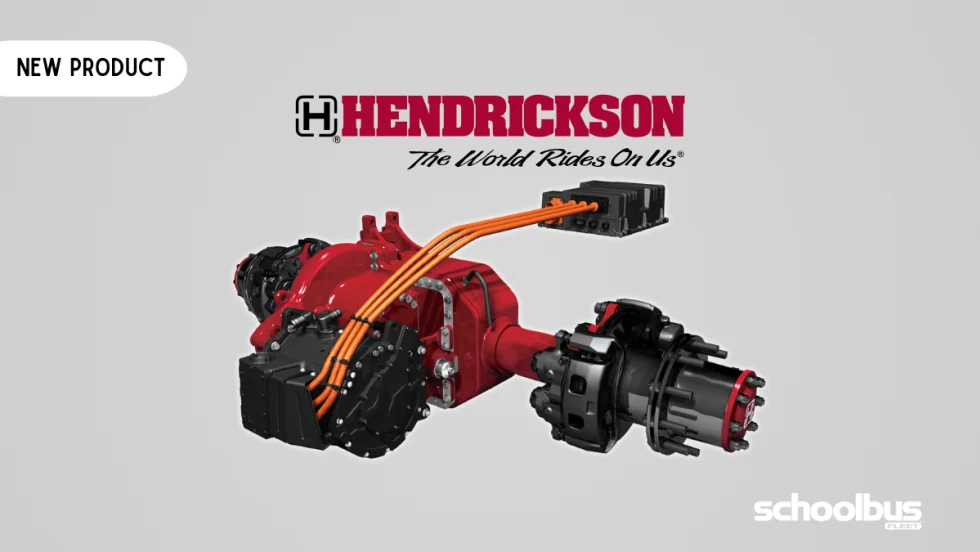
Hendrickson, Driventic Introduce New Electric Powertrain for School Buses
ELECTRAAX, the electrified, lightweight drive axle offers integrated ePowertrain efficiency and modular flexibility for Class 6–7 school bus use.
Read More →