



New Ohio License Plate Promotes School Bus Safety
The Ohio Association for Pupil Transportation worked to gain approval for the specialty plate, which reminds drivers to stop for school buses.

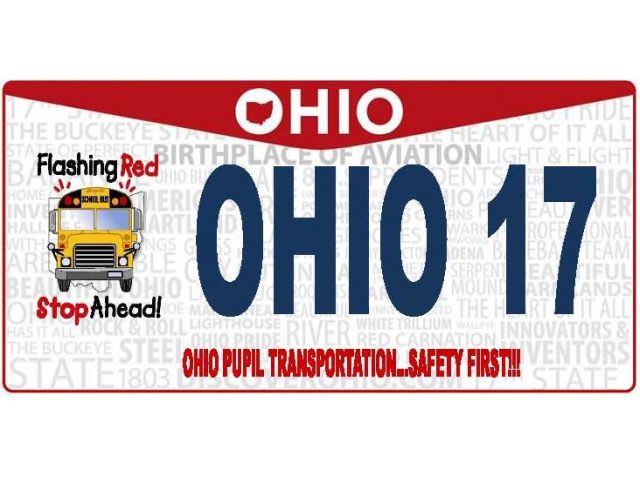
The Ohio Association for Pupil Transportation worked to gain approval for this specialty plate, which reminds drivers to stop for school buses.

COLUMBUS, Ohio — License plates are often used to identify motorists who illegally pass school buses, but now a special license plate in Ohio aims to help prevent those illegal passes.
The new license plate displays an illustration of a school bus with its red lights activated, along with the words “Flashing Red — Stop Ahead” and “Ohio Pupil Transportation … Safety First.”
Jeff Vrabel, past president of the Ohio Association for Pupil Transportation (OAPT), said that OAPT has been advocating for the license plate idea for several years. State Rep. John Boccieri worked with the association to gain approval for the concept. That came via Senate Bill 207, which was passed in December and went into effect April 6.
Ohio vehicle owners can get the school bus safety license plate, which became available in early May, for an annual fee of $20 through the Ohio Bureau of Motor Vehicles. OAPT gets $10 from each plate "to support transportation programs, provide training to school transportation professionals, and support other initiatives for school transportation safety," the legislation stipulates.
Vrabel noted that the license plates themselves will also help promote school bus safety on Ohio's roads.
“The more license plates that are purchased, the more the message of stopping for a stopped school bus gets out,” he said.
Idaho launched a similar school bus safety license plate program in 2004.
More Safety
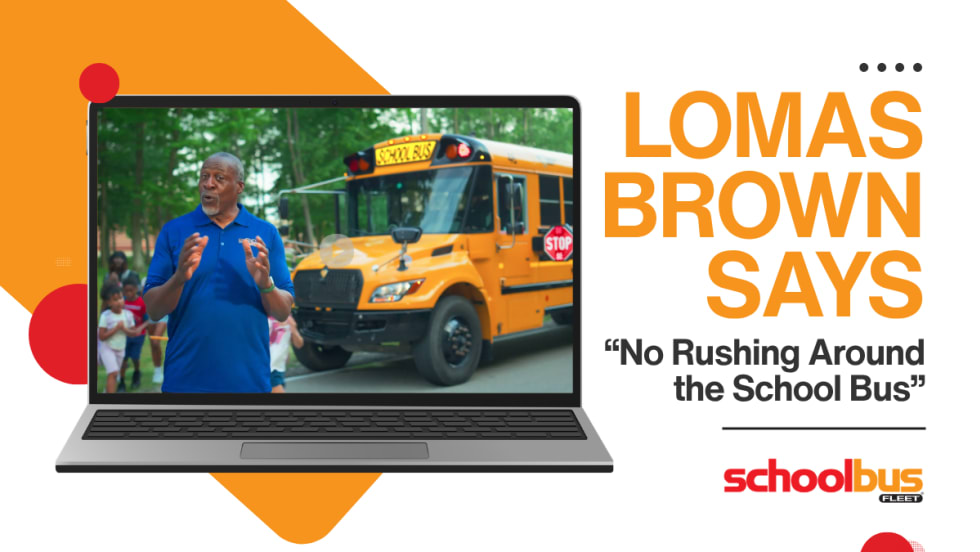
NFL Star Lomas Brown Kicks Off New Illegal School Bus Passing PSA
Just in time for the back-to-school season, the former Detroit Lions offensive tackle took time to record a video encouraging motorists to slow down around school buses.
Read More →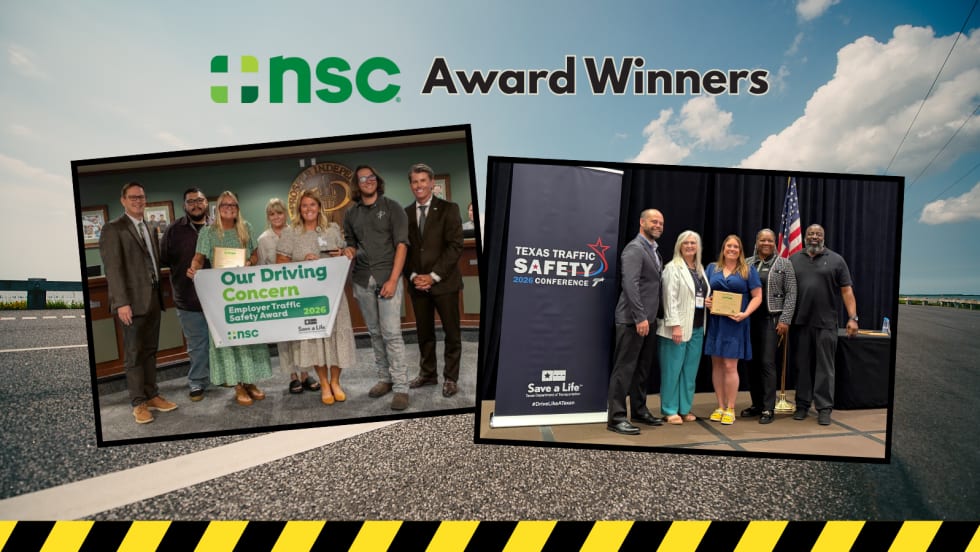
How Two Texas Districts Built Award-Winning Safety Programs
Learn how Prosper ISD and Rockwall ISD earned National Safety Council honors through hands-on training, safety culture, and strategies that reduced transportation incidents.
Read More →
NHTSA Releases 10-Year Review of Fatal School Bus Crashes
The latest federal analysis reinforces the safety of school buses while identifying where school-age pedestrians and other motorists remain most at risk.
Read More →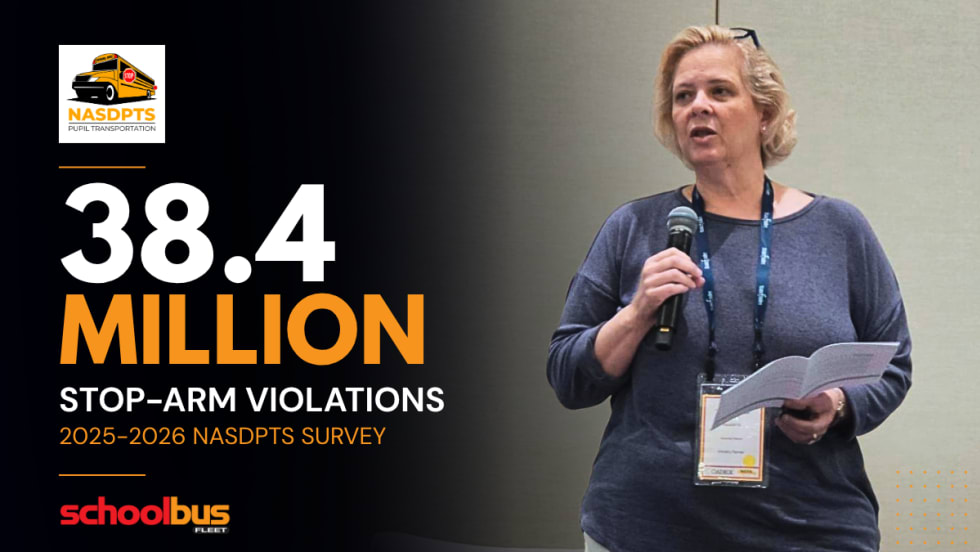
2026 NASDPTS Survey: Data Shows Further Reduction of Illegal Passing
New data is in! School bus stop-arm passings are down to 38.4 million violations per year, about a 2.3% decrease from last school year — but passings on the right side of the bus are higher than ever.
Read More →
Another School Bus Fatality Reported in Monsey, New York
A 7-year-old girl died after being struck by a school bus in Rockland County, New York while crossing the street. Here's what we know.
Read More →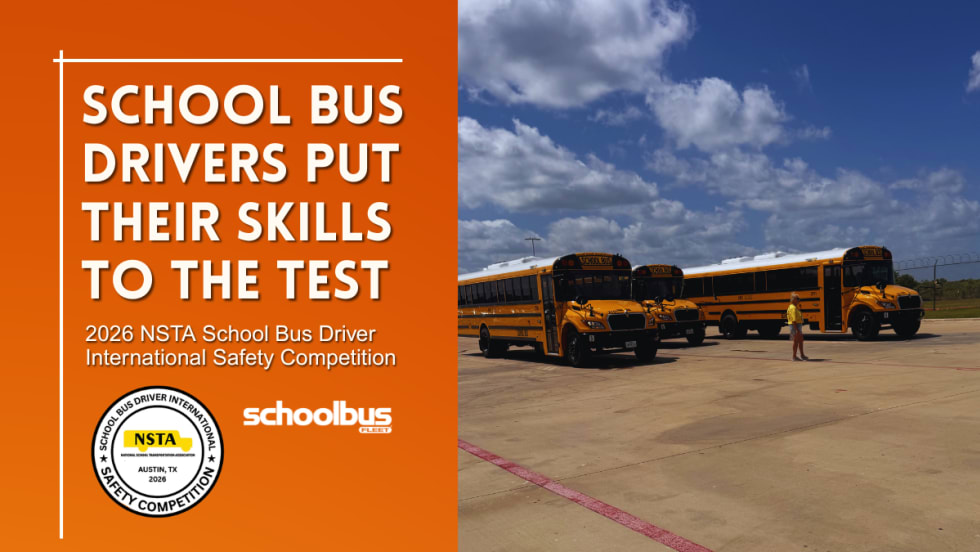
NSTA Announces 2026 School Bus Driver International Safety Competition Winners
Drivers from across the U.S. and Canada showcased their safety and driving skills, with two defending champions successfully retaining their titles.
Read More →
The Driver Shortage Playbook
Driver shortages are still a major challenge for student transportation fleets, but the real issue has shifted. It’s no longer just about filling seats quickly. It’s about finding safe, reliable drivers who meet performance expectations and want to stay. The Driver Shortage Playbook covers why traditional recruitment tactics are falling short and how school fleets are adapting with smarter hiring, stronger retention strategies and a greater focus on driver quality.
Read More →
Pro-Vision Launches AI-Powered 360° Camera System
The new Birdseye camera delivers real-time AI-based pedestrian and vehicle detections, full visibility around the bus, and telematics integrations.
Read More →
N.Y. & N.J. Coalitions Call for Modernized Transportation for Vulnerable Students
New statewide coalitions in New York and New Jersey are urging lawmakers to expand student transportation options for vulnerable students amid ongoing driver shortages.
Read More →
America Has a School Bus Passing Problem — and Distraction Is Making It Worse
Illegal school bus passing remains a major safety threat as distracted driving rises. This op-ed explores why awareness, enforcement, and stop-arm cameras matter more than ever.
Read More →