




See also: Electric School Buses Take to the Road: Real-World Results
New Electric Type A School Bus Coming From Collins
The bus utilizes Motiv’s Electric Powered Intelligent Chassis, based on the Ford E-450 platform.

Thomas McMahon・Executive Editor
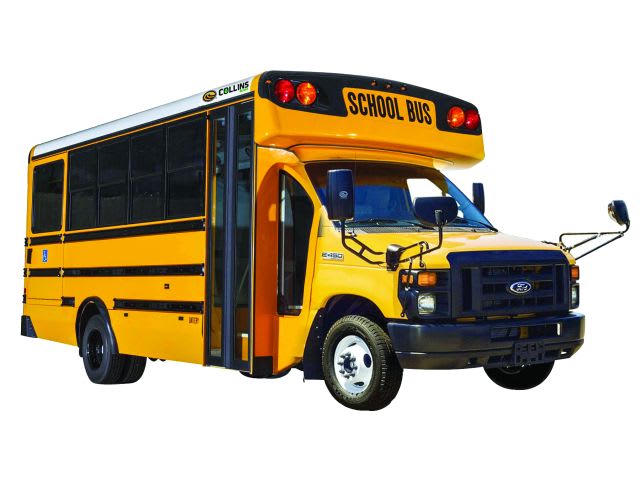
Collins Bus Corp.’s new Motiv-powered electric model is based on the Ford E-450 platform, as seen in this Collins CNG model.
2 min to read
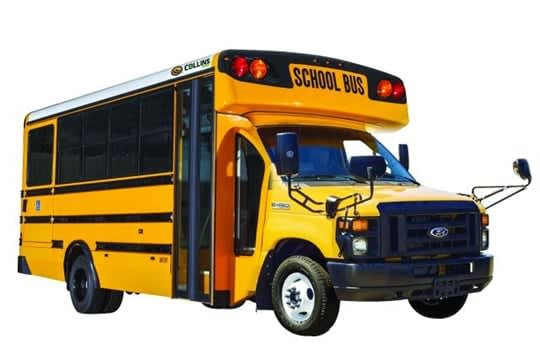
Collins Bus Corp.’s new Motiv-powered electric model is based on the Ford E-450 platform, as seen in this Collins CNG model.
The electric school bus market keeps charging up, now with a new Type A model on the way from Collins Bus Corp.
The forthcoming Collins electric school bus utilizes Motiv Power Systems’ Electric Powered Intelligent Chassis (EPIC), based on the Ford E-450 platform.
Motiv’s EPIC 4 Dearborn, the chassis for the Collins electric bus, has a gross vehicle weight rating of 14,500 pounds and a range of up to 75 miles. The battery pack capacity is 85 or 106 kilowatt-hours, with charging times of two hours for 50%, four hours for 75%, and eight hours for 100%.
The new electric Type A model joins Collins’ existing alternative-fuel school buses, which are powered by propane and compressed natural gas.
Kash Sethi, director of sales for Motiv, told SBF in April that a few school districts had already started applying for grant funding for the new Collins electric school bus. He said that the Motiv-powered Type A model is expected to be ready for delivery in the third quarter of this year.
Motiv is a Ford eQVM-approved provider of all-electric chassis for commercial trucks and buses. The company also supplies the powertrains for electric school bus models from Trans Tech and Starcraft/Creative Bus Sales.
At the Advanced Clean Transportation (ACT) Expo in Long Beach in early May, Motiv showcased the forthcoming Adaptive Battery Controller (ABC), its new technology for monitoring and controlling multiple independent battery packs. According to the company, the ABC reduces the control hardware’s footprint to 10% of its previous size and weight.
Sethi said that the new generation reduced-footprint ABC will be available sometime in 2019.
“Our unique approach to battery and motor control increases performance and reliability,” he said, “and we will maintain this approach with our next generation control system while reducing footprint and cost.”
More Alternative Fuels

CALSTART and Forth Combine to Form Catalyst Mobility
The new name represents a renewed vision for the nonprofit focused on advancing clean, equitable, and affordable transportation solutions that move people and goods.
Read More →
Alt-Fuel Moves: New Buses, Charging Hubs & Real-World EV Testing
Propane and electric school bus deployments continue to grow as districts add new vehicles, expand charging infrastructure, and gather more real-world operating data.
Read More →
Fewer Electric School Bus Models Reshape the U.S. Market
WRI’s latest buyer’s guide points to a consolidating electric school bus market, but fewer options may reflect a maturing industry rather than fewer meaningful choices for school bus operators.
Read More →
The Fuel Budget You Can Actually Predict: How Propane Autogas Keeps Money in the Classroom
Learn how propane autogas helps school districts manage fuel costs with predictable pricing, lower maintenance, and reduced emissions from former transportation director Joel Stutheit.
Read More →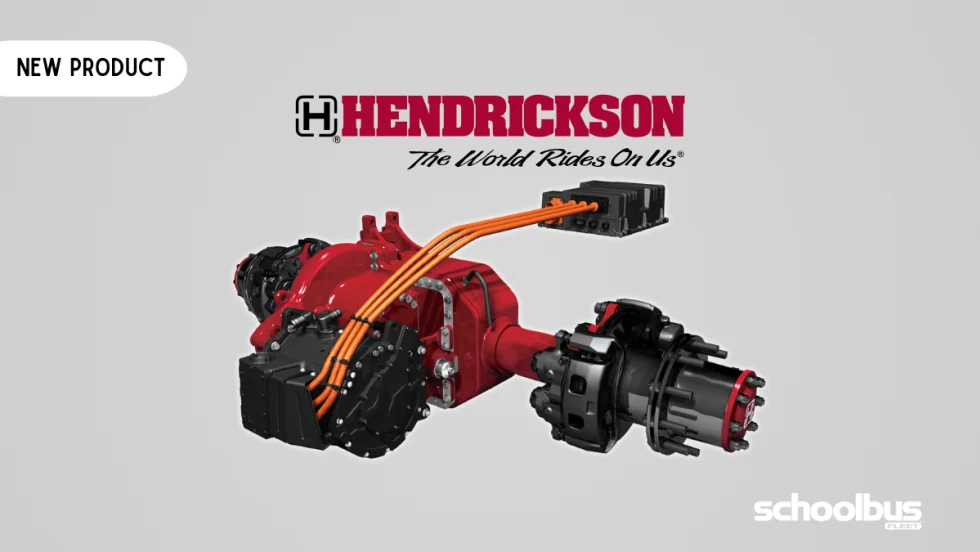
Hendrickson, Driventic Introduce New Electric Powertrain for School Buses
ELECTRAAX, the electrified, lightweight drive axle offers integrated ePowertrain efficiency and modular flexibility for Class 6–7 school bus use.
Read More →
The Mobility House Joins PowerFlex in Fleet Electrification Deal
The acquisition combines intelligent charging software, bidirectional charging expertise, and fleet electrification services to support the growing adoption of electric school buses across North America.
Read More →
Alt-Fuel Moves: Electric School Bus Investments Hit the Road
See which districts across the U.S. are putting electric school buses into service, expanding charging infrastructure, and planning the next phase of fleet electrification.
Read More →
With Fuel Volatility Ahead, School Districts Turn to Propane
While diesel prices peaked above $5 this spring, districts with propane autogas-powered fleets paid under $2 per gallon, according to PERC.
Read More →
EPA Unveils Proposed Changes to 2027 Heavy-Duty Engine Rules
The federal agency has proposed changes to next year’s targets that would eliminate DEF derates, ease warranty requirements, and retain current NOx emissions standards.
Read More →
Alt-Fuel Moves: EV Charging & Infrastructure Projects Gain Momentum
The latest developments include new funding, charging infrastructure, utility investments, and fleet technologies designed to support the transition to electric school buses nationwide.
Read More →