




NASDPTS responds to article on school bus advertising
The state directors association sends a letter to an official at the National Education Association explaining its reasons for opposing bus ads, and offers its support to the education association on efforts to maintain school bus ridership. The letter is in response to an article published in NEA Today that discusses school districts that permit advertising on the exterior of their buses and the money that’s been generated as a result of it.

STEAMBOAT SPRINGS, Colo. — The National Association of State Directors of Pupil Transportation Services (NASDPTS) on Tuesday responded to an article on school bus advertising that was recently published in NEA Today.
NEA Today is a magazine published the National Education Association (NEA). The article, titled “Advertising on School Buses Softens the Budget Crunch,” discusses school districts in Arizona, Colorado and Texas that permit advertising on the exterior of their buses and the money that’s been generated as a result of it.
During Mesa (Ariz.) Public Schools’ first year of advertising, for example, approximately 25 percent of buses carried ads, earning about $60,000, according to the story.
The article also sought input on the topic of school bus advertising from individuals at state-based education and school employee associations.
Colorado Education Association President Beverly Ingle told NEA Today, “Compensating for school budget cuts with bus advertising revenue is not the way to go.”
Joe Selvidio, president of the Jefferson County Classified School Employees Association, told the magazine that the association takes no official position on advertising on school buses.
In a letter to Cynthia McCabe at NEA in response to the NEA Today article, NASDPTS Executive Director Bob Riley wrote that the association is opposed to advertising on school buses and recently researched this topic and issued an updated position paper about it called “Advertising on School Buses.”
“NASDPTS and other opponents to advertising on school buses recognize there is a lack of comprehensive data on the safety effects of school bus advertising, and we are concerned that there are no known studies to prove exterior advertising will not compromise safety. There have been studies that verify the effects of driver distraction on motor vehicle crashes, however. Certainly, the very intent of exterior advertising on school buses is to gain the attention of other motorists, distracting them from the driving task,” Riley wrote.
He went on to say that any diversion of a motorist’s attention can pose driving hazards, such as lane departures or intersection crashes. Since advertising on the exterior of school buses is a potential source of driver distraction, he wrote, it is reasonable to assume that such advertising will potentially result in accidents that would not have otherwise occurred.
Riley also addressed potential legal issues associated with allowing advertising on school buses, saying that while supporters of school bus advertising believe that committees should be formed to establish criteria for the appropriateness of the advertising, and believe the criteria will protect them from legal action, such criteria may be challenged in court.
He concluded by writing that NASDPTS supports NEA’s interest in expanding funding sources for educational programs, and that “NASDPTS would be pleased to work with NEA on efforts to maintain school bus ridership and federal, state and local funding for education.”
More Safety

How to Build a Better School Bus Driver Training Program
Is it time to strengthen your driver training? Here’s how to pick the right talent and improve recruitment, retention, and safety. This video is brought to you by IC Bus.
Read More →
Recent School Bus Accidents Leave 2 Dead, 2 Injured
Four school bus crashes in Florida, Illinois, and Georgia highlight risks in transportation lots, at bus stops, and during student loading and unloading.
Read More →
When Every Second Matters, Clarity Keeps Routes Moving
From routine delays to urgent incidents, strong communication practices help drivers, dispatchers, schools, and families respond with confidence.
Read More →

What Happens When a School Bus Catches Fire — and What Can Help
School bus fires are rare but can be devastating. Learn how advances in fire suppression and asset protection help fleets detect fires earlier, reduce damage, and improve safety.
Read More →
Geotab Launches Tool to Help Fleets Investigate Road Incidents
Geotab Investigations combines telematics data, video, documents, and other evidence to help fleets reconstruct incidents, resolve claims, and determine what happened.
Read More →
Texas Sixth Grader Wins 2026 National School Bus Safety Poster Contest
Sai Darshana Yekolu of Moseley Middle School in Prosper, Texas, was named the newest winner for her artwork, bringing the theme of “Safe Rides, Everyday Heroes” to life.
Read More →
Doing More With Less: How Transportation Directors Can Prioritize Safety Amid Budget Uncertainty
With diesel prices soaring and nearly one-third of transportation directors expecting budget cuts, maintaining student safety has never been more challenging. Download this guide to learn how leading districts are prioritizing risk, funding critical safety technology, and building stronger budget cases with data.
Read More →
Walton County Schools Adds Gatekeeper Stop-Arm Enforcement System
The Florida district will deploy Gatekeeper’s updated Student Protector technology, which now incorporates AI to improve video evidence.
Read More →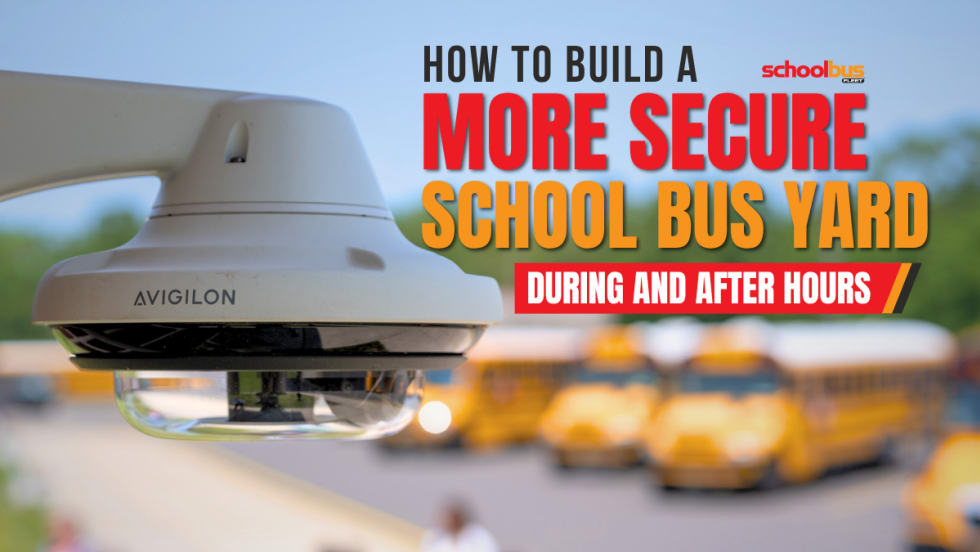
How To Build a More Secure School Bus Yard During and After Hours
As thefts and overnight security threats continue, school transportation leaders are combining stronger operational practices with AI-enabled surveillance to better protect buses, facilities, and staff.
Read More →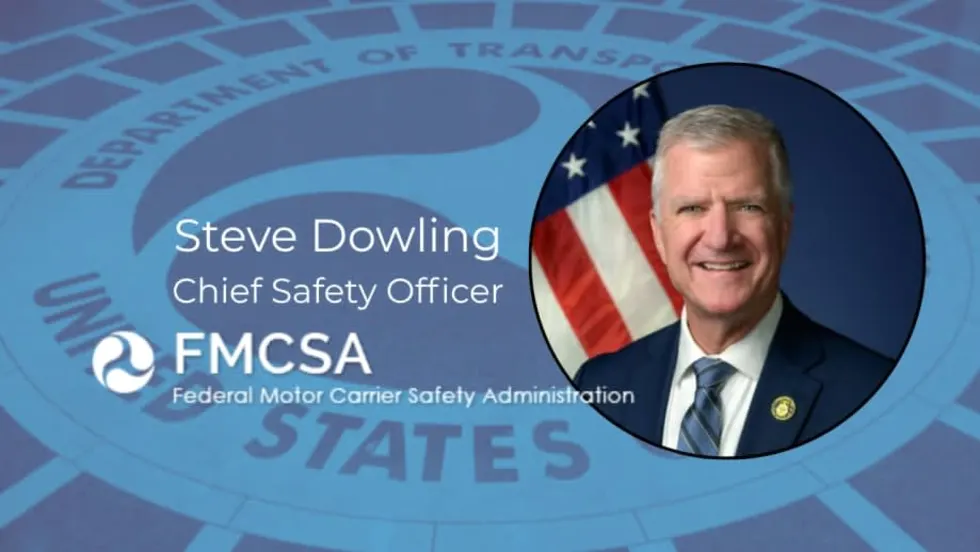
FMCSA Names New Chief Safety Officer: What School Bus Operators Should Know
Steve Dowling is set to lead the federal agency's efforts to advance commercial motor vehicle safety and reduce crashes, fatalities, and injuries on the nation's roadways.
Read More →